How to Understand Why Ethical Fashion Costs More
Last Updated: October 25, 2026
Quick Summary
Ethical fashion costs more because fair wages, safe working conditions, lower-impact materials and smaller production runs all add cost that fast fashion pushes onto workers, waterways and future generations instead. Certification, solvent recovery and small-batch manufacturing raise the per-unit price, and cost per wear shows a well-made piece worn for years is often cheaper than a cheap garment worn twice.
- Fast fashion keeps prices low through volume, spreading fixed costs so thin a garment can retail for less than a takeaway meal.
- Organic cotton carries audit and licensing fees, and lower yields make the raw fibre cost more per kilogram.
- Ask which certification covers the fabric, where the garment was made and who made it.
- A $30 top worn five times costs $6 per wear; a $189 piece worn 100 times costs about $1.89.
- Small-batch production means more time per piece and less waste, but per-unit costs rise with no scale to hide behind.
Table of Contents
- The Real Reasons Ethical Fashion Commands a Higher Price
- Ethical Fashion vs Fast Fashion: Where the Money Goes
- Sustainable Fashion Materials That Drive Up Costs
- How to Identify Ethical Clothing Without Getting Fooled
- Cost Per Wear Clothing: The Math That Changes Everything
- What You Actually Get Beyond the Garment
- Shop Wearable Art With Confidence
- Frequently Asked Questions
The Real Reasons Ethical Fashion Commands a Higher Price
Ethical fashion is clothing made with verified fair labour, lower-impact materials and smaller production runs, and it costs more because none of those choices can be automated or hidden. This guide from Kerry Munns Artlife breaks down exactly where the extra money goes, so you can judge whether a higher price tag reflects genuine practice or clever marketing.
Here is the number that reframes the whole conversation: a garment's retail price is not a markup on quality. It is a stack of decisions, and fast fashion removes cost from the bottom of that stack by pushing it onto workers, waterways and future generations. Those are the hidden costs, and they do not disappear. They move.
Below, we walk through each layer of the true cost, show you how to verify ethical claims before you spend, and explain why cost per wear changes the maths entirely.
Ethical Fashion vs Fast Fashion: Where the Money Goes
Fast fashion keeps prices low through volume: enormous production runs spread fixed costs so thin that a single garment can retail for less than a takeaway meal. That model depends on speed, and speed is expensive to sustain ethically. When a brand commits to fair wages, safe working conditions and traceable supply chains, it absorbs costs the fast model externalises.
Consider what a fair wage actually changes. Paying a living wage rather than a minimum piece rate raises labour costs directly. Add safe working conditions, reasonable hours and worker protections, and the gap widens further. None of that is optional if a brand wants to call itself ethical, which is why the honest comparison is not "cheap versus expensive" but "who paid for this garment, and how."
Sustainable Fashion Materials That Drive Up Costs
Material choice is the second big cost driver, and it is where greenwashing hides most easily. Sustainable fashion materials cost more because they are grown, processed or recycled under conditions that protect land and water rather than maximising yield, and because the certification that proves those conditions adds a cost at every step of the chain.
Here is where the money actually goes, fibre by fibre.
- Organic cotton avoids synthetic pesticides and requires certification along the chain. The certification itself carries audit and licensing fees, and organic yields are typically lower than conventional yields, so the raw fibre costs more per kilogram before it reaches a mill. Spinning and weaving organic cotton separately from conventional cotton also means smaller runs and higher per-metre costs.
- Hemp and linen are durable natural fibres but slower and more labour-intensive to process. Retting, breaking and scutching take time and skilled labour, and the fibre is often grown on smaller holdings without the economies of scale that synthetic production enjoys.
- Tencel and other closed-loop fibres cost more than conventional synthetics because the manufacturing process recovers solvents rather than releasing them. Solvent recovery equipment is capital-intensive, and the process is licensed, both of which add to the per-metre price.
- Recycled polyester diverts waste but still depends on collection, sorting and processing infrastructure. Mechanical recycling produces a shorter fibre that often needs blending with virgin fibre to hold up, and the collection and sorting steps add cost that virgin petrochemical production does not carry.
Synthetic fabrics, by contrast, are cheap because they are petrochemical textiles produced at enormous scale. The trade-off is durability and end-of-life: a lower-impact material often lasts longer, which is the point. But it is worth being honest that natural, recycled or organic is not automatically better in every context. Organic cotton still needs water and land. Recycled polyester still sheds microfibres. Hemp is durable but can be coarse. The right question is not "which fibre is ethical" but "which fibre, cared for well and kept in use, has the lowest impact for this garment's purpose." For a deeper look at which fibres hold up over years of wear, see our guide to durable sustainable fabrics for clothing.
How to Identify Ethical Clothing Without Getting Fooled
The fastest way to spot genuine ethical clothing is to look for traceability a brand can prove, not adjectives it can write. Certifications, published supplier information and specific claims about materials and wages are verifiable. "Conscious" and "planet-friendly" are not.
Ask three questions of any brand:
- Which certification covers the fabric, and can you see the certificate?
- Where was the garment made, and who made it?
- Does the brand describe its supply chain in specifics or generalities?
If the answers are vague, the price premium is probably marketing rather than practice. Our step-by-step method in how to identify ethical fashion brands walks through the exact checks we would run before buying.
Cost Per Wear Clothing: The Math That Changes Everything
Cost per wear is the retail price divided by the number of times you actually wear a garment, and it exposes the fast fashion illusion better than any other calculation. A cheap top worn twice costs more per wear than a well-made piece worn for years.
Unique Recycled Denim Jacket →
Work it through with two examples. A lower-priced garment bought on impulse for, say, $30 and worn five times before it fades or loses shape costs $6 per wear. A one-of-a-kind piece at $189 worn once a week for two years, roughly 100 wears, costs about $1.89 per wear, and it keeps falling every season it stays in rotation. The cheaper garment was never cheaper; it was just paid for in a single hit rather than spread across years.
Durability and emotional attachment both matter here. Clothing you love gets worn, and clothing that gets worn earns its price back. That is why uniqueness is not a vanity point: a piece no one else owns tends to stay in rotation longer, which drives cost per wear down. Our article on the benefits of buying one-of-a-kind fashion explains how uniqueness keeps pieces in rotation.
Cost per wear is also the honest answer to the affordability objection. Ethical fashion is not affordable for everyone at full price, and pretending otherwise does not help. The practical response is to buy fewer pieces, buy secondhand or through clothing swaps, repair what you already own, and choose the pieces you will actually wear. A smaller wardrobe of well-made items, maintained and mended, usually costs less over a decade than a rotating stream of cheap replacements, even before you count the environmental cost of the replacements.
That is the reframe: the question is not whether you can afford an ethical garment today, but what the cheap alternative actually costs you across its short life.
What You Actually Get Beyond the Garment
Paying more buys you things that never appear on a price tag. You get worker protections somewhere in the supply chain, lower environmental impact, and a garment designed to outlast a trend cycle. You also get originality, which is increasingly rare.
Small-batch production is the quiet engine behind all of this. Lower production volume means more time per piece, more careful manufacturing and less waste, but it also means the per-unit cost rises because there is no scale to hide behind. That is the honest trade-off, and it is why a hand-finished piece costs what it does. If you want the wider case for this approach, read about the benefits of slow fashion for women.
Shop Wearable Art With Confidence
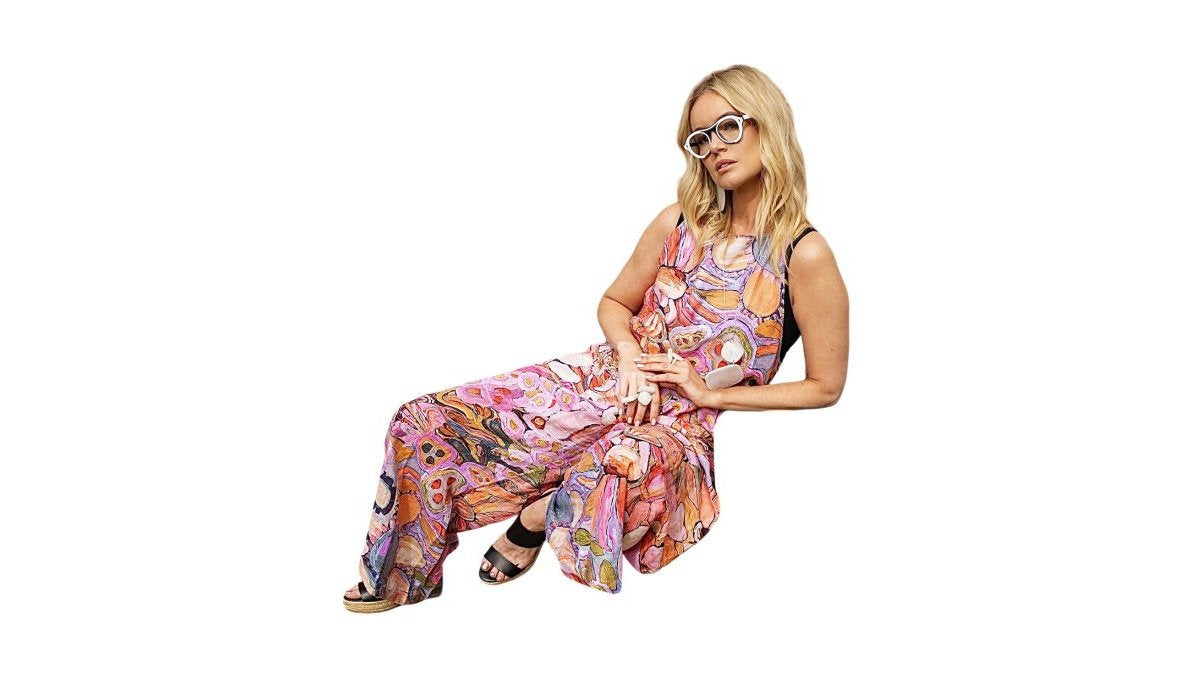
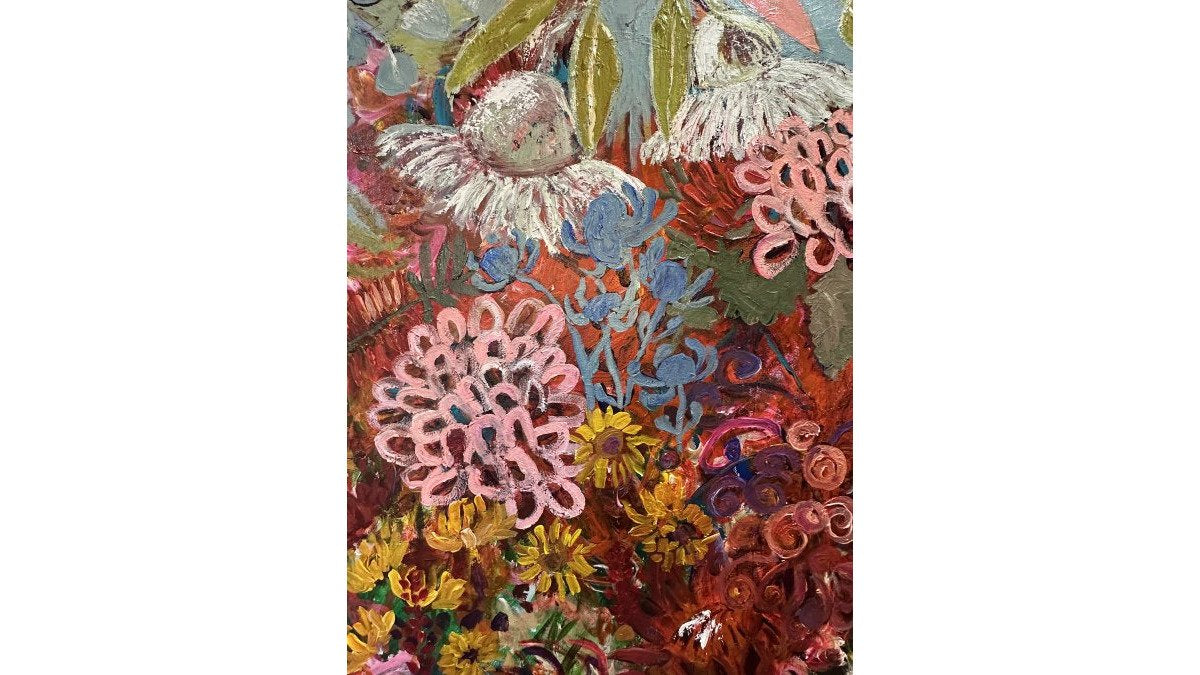
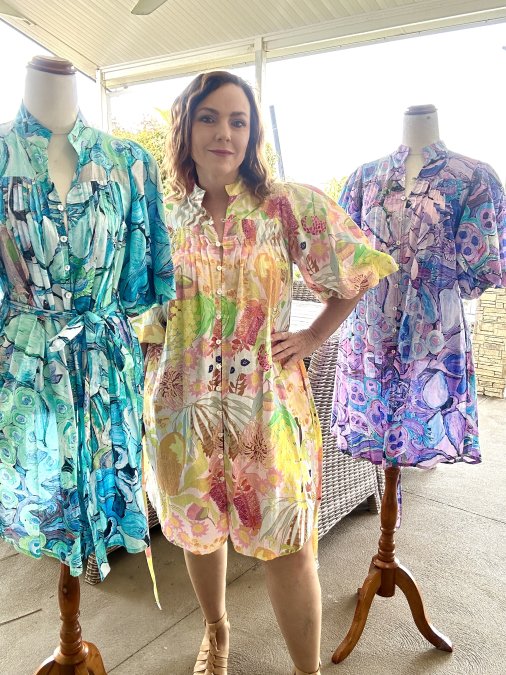
At Kerry Munns Artlife, every piece starts as an original painting and becomes wearable art made from fully sustainable fabrics, ethically produced in small runs. That is why our collection sits at a higher price point, and we would rather explain the cost than hide it.
Our Abby Dress in Floral Coral ($189.00) is made from 100% sustainable cotton with original artwork printed across it. The Joey Playsuit in Perfectly Violet ($169.00) uses a sustainable cotton-linen mix built for movement and long wear. And the Unique Recycled Denim Jacket ($550.00) is a one-off original, made from recycled denim with edges designed to fray over time, so no one else owns it.
Each piece is designed and made to be worn for years, not a season. If you want to understand what original painted clothing is before you commit, our guide on why to wear original painted clothing covers the craft behind every piece.
Frequently Asked Questions
Why does ethical clothing cost more than fast fashion?
Ethical clothing costs more because it reflects the true cost of production. Fast fashion relies on underpaid labour, synthetic fabrics and massive volumes to keep prices low. Ethical fashion pays fair wages, uses lower-impact materials like organic cotton and natural fibres, and produces in small batches. These choices raise the price tag, but they also create garments that last longer and carry less environmental and human cost.
Are sustainable fashion materials really more expensive?
Yes, sustainable fashion materials often cost more upfront. Organic cotton avoids petrochemical pesticides and requires separate processing, which adds expense. Hemp and Tencel involve specialised manufacturing. Recycled polyester has its own collection and processing costs. These fabrics typically last longer and have a lower environmental impact than conventional alternatives, so the higher initial price is offset by durability and reduced harm.
How can I tell whether a fashion brand is genuinely ethical?
Look for specific certifications such as GOTS for organic cotton or Fair Trade accreditation. Check whether the brand publishes supply-chain transparency details, including factory names and locations. Vague claims like 'eco-friendly' without evidence are a red flag. A genuine ethical brand will explain its production process, list its materials and often share stories or photos from its makers. If you cannot find clear information, ask the brand directly.
Is ethical fashion worth the higher price?
It can be, especially when you calculate cost per wear clothing. A $189 dress worn 50 times costs $3.78 per wear, while a $30 fast-fashion dress worn five times costs $6 per wear. Ethical garments tend to last longer and hold their shape and colour, so the effective cost drops further. Beyond the maths, your purchase supports fair wages and safer working conditions, which many shoppers consider part of the value.
The real test of an ethical purchase is whether the garment still earns its place in your wardrobe years from now. We build every piece at Kerry Munns Artlife to pass that test, using original artwork, fully sustainable fabrics and small-batch ethical production so your clothing stays unique and wearable. Explore the collection and find a piece that feels like you. Get started with Kerry Munns Artlife and shop wearable art that lasts.


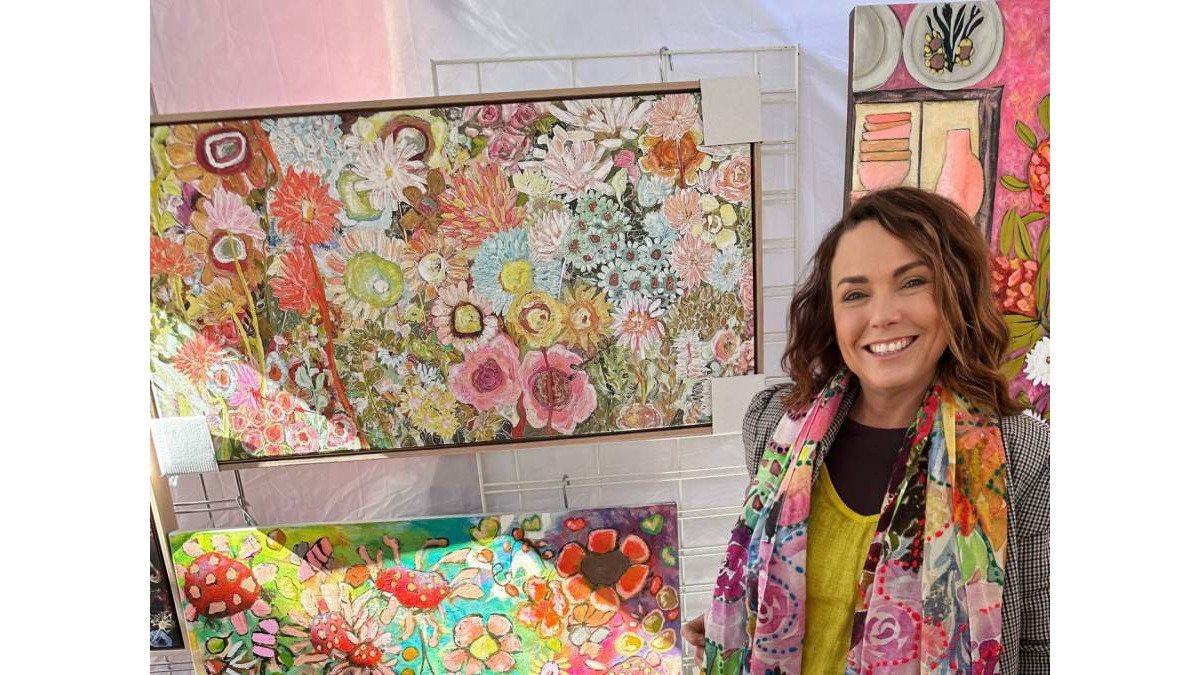
Written by Kerry Munns