Benefits of Slow Fashion for Women: A 2026 Guide
Table of Contents
- What Slow Fashion Means for Women
- Slow Fashion vs Fast Fashion: The Core Differences
- Durability and Longer Garment Lifespan
- How to Build a Sustainable Wardrobe on a Budget
- Sustainable Fabrics for Clothing That Matter
- Ethical Fashion Brands and What to Look For
- Long-Term Savings and Cost Per Wear
- Environmental and Social Impact
- Frequently Asked Questions
Last Updated: October 16, 2026
What Slow Fashion Means for Women
Slow fashion for women is about choosing quality garments that reflect your values and last through years of wear, not seasons. It's the opposite of buying dozens of cheap pieces annually, it's selecting fewer items that genuinely work with your life and make you feel confident.
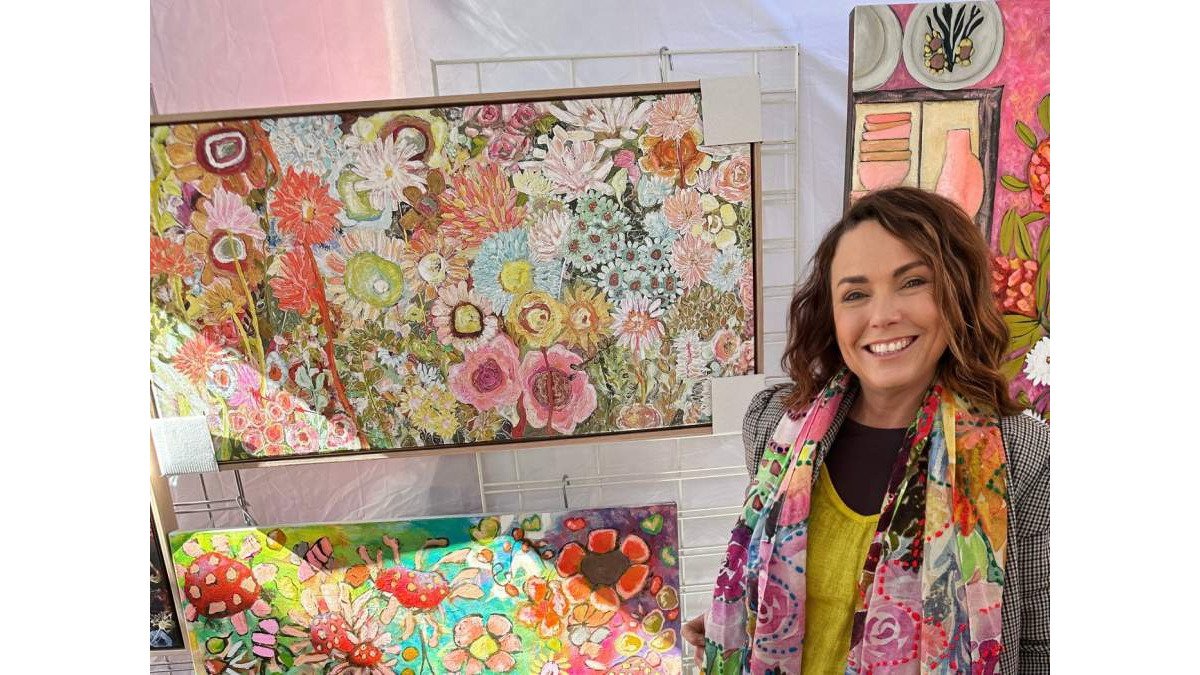
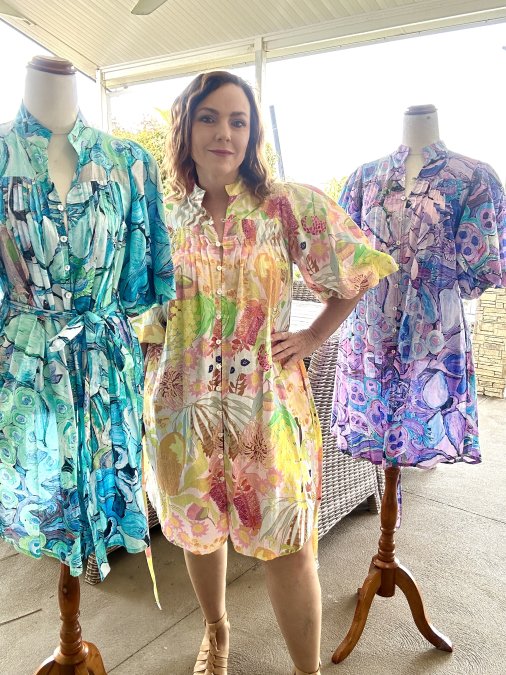
At Kerry Munns Artlife, we believe slow fashion goes beyond sustainability. It's about reclaiming joy in how you dress. When you wear something that's been thoughtfully made from sustainable fabrics and features original artwork, you're not just wearing clothes. You're making a statement about who you are and what matters to you.
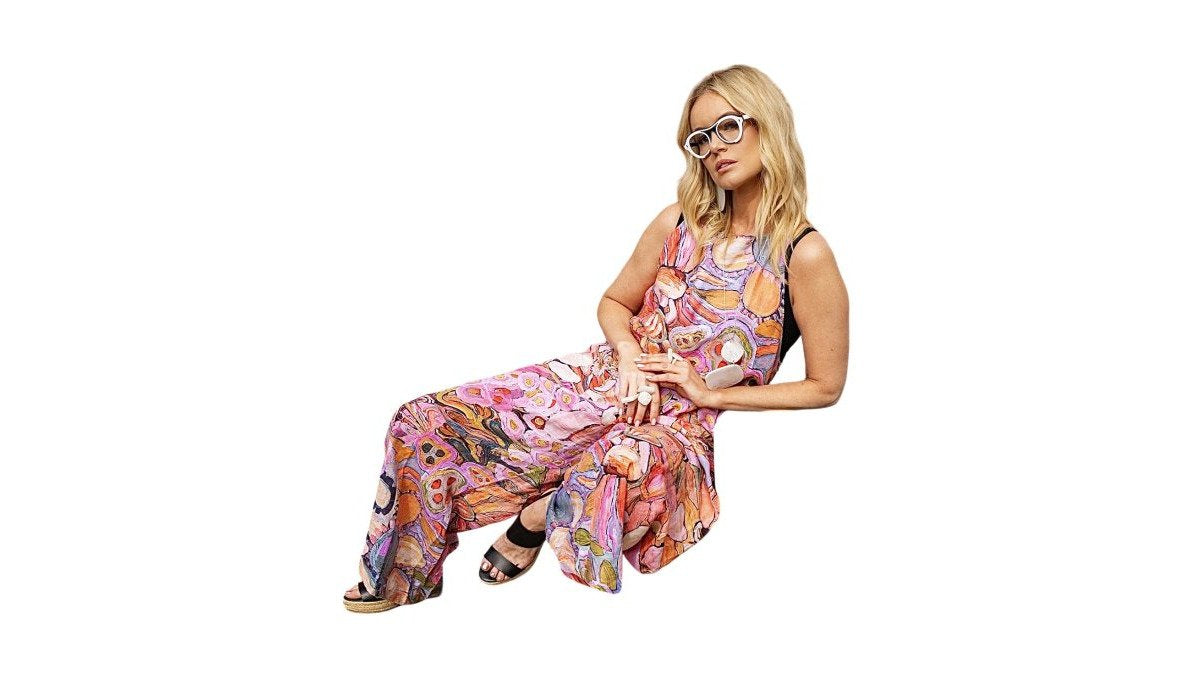
Slow fashion for women means investing in pieces that tell a story. Each garment should earn its place in your wardrobe through durability, versatility, and genuine personal connection. The Abby Dress in Floral Coral ($189.00), for example, combines 100% sustainable cotton with puffy sleeves and practical deep pockets, a piece designed to be worn repeatedly across seasons.

The shift away from fast fashion isn't about deprivation. It's about abundance of a different kind: more confidence, less waste, and clothing that actually fits your body and lifestyle instead of chasing trends that disappear in weeks.
Slow Fashion vs Fast Fashion: The Core Differences
The gap between slow fashion and fast fashion is widening, and understanding it matters for how you spend your money. Fast fashion prioritises speed and volume, new collections every few weeks, ultra-low prices, disposable quality. Slow fashion prioritises longevity and intention, fewer pieces, higher quality, designs meant to last years.
Fast fashion retailers churn out new styles constantly, encouraging you to buy more frequently. Slow fashion asks you to buy less often but choose better. The cost per wear on a $189 dress you wear 100 times is vastly different from a $39 dress you wear five times before it fades or falls apart.
The environmental impact differs dramatically too. Fast fashion drives rapid consumption, which means more textile waste, more water used in production, and more chemicals released in manufacturing. Slow fashion reduces demand for new clothing, which directly lowers the resources required overall.
The ethical dimension matters as well. Slow fashion brands typically invest in responsible production practices, fair wages, and safer working environments. The Reversible Quilted Jacket in Spring Fling Peach ($240.00) is ethically made with quality that justifies the price tag, it's designed to be worn for years, not discarded after a season.

Durability and Longer Garment Lifespan
A garment's durability is the foundation of slow fashion. If something falls apart after three wears, it's not sustainable regardless of how it was made. Durability means the fabric holds up through washing, wearing, and time. It means seams stay intact, colours don't fade dramatically, and the overall structure doesn't degrade.
Quality fabrics matter enormously here. Natural fibres like linen, cotton, and wool tend to age beautifully and last longer than synthetic blends. The Athena Linen dress ($220.00) is made from 100% sustainable linen, a fabric that becomes softer and more comfortable with wear.
Construction quality determines longevity too. Hand-stitched details, reinforced seams, and thoughtful design choices add years to a garment's life. The Unique Recycled Denim Jacket ($550.00) features fine artistic details all sewn by hand, this level of craftsmanship isn't accidental. It's built to be worn and loved for decades.

Proper care extends garment life significantly. Washing less frequently, using gentle methods, and storing carefully all preserve clothing. Many slow fashion pieces come with care instructions that seem demanding but actually protect your investment. Hand-washing the Athena Linen and avoiding tumble drying isn't inconvenient, it's the cost of keeping something beautiful for years.
How to Build a Sustainable Wardrobe on a Budget
Building a slow fashion wardrobe doesn't require spending everything at once. The smartest approach is to start small and intentional, replacing worn-out basics gradually with higher-quality pieces.
Begin by assessing what you actually wear. Look at your wardrobe for the next month and notice which pieces you reach for repeatedly. Those are your anchor items, the foundation of your style. Invest in quality versions of these first.
The cost-per-wear calculation changes everything. A $189 dress worn 100 times costs $1.89 per wear. A $39 dress worn five times costs $7.80 per wear. When you think about it this way, investing in better quality becomes the budget-conscious choice, not the luxury choice.
Buy pieces that work together. If you have mostly black and navy, a vibrant patterned piece like the Jazz Pant ($155.00) becomes a statement layer that pairs with multiple tops and dresses. Cohesion in your wardrobe means fewer pieces do more work.
Look for versatility in design. The Reversible Coat in Cherry Ripe/Apple Pie ($240.00) offers two complete looks in one garment, that's two outfits for the price of one. Reversible pieces, layerable jackets, and adaptable silhouettes multiply your options without multiplying your spending.
| Strategy | How It Works | Budget Impact |
|---|---|---|
| Cost-per-wear analysis | Calculate total wears expected, divide price by wears | Justifies higher upfront cost |
| Buy anchor pieces first | Invest in basics that pair with multiple items | Fewer pieces needed overall |
| Choose versatile designs | Reversible, layerable, neutral-friendly pieces | One item functions as two or three |
| Replace gradually | Swap worn items with quality versions over time | Spreads cost across months |
| Prioritise natural fibres | Cotton, linen, wool last longer than synthetics | Better long-term value |
Sustainable Fabrics for Clothing That Matter
The fabric you wear against your skin matters for comfort, durability, and environmental impact. Sustainable fabrics are those grown or produced with lower chemical use, less water, and fewer harmful pesticides.
Organic cotton is grown without synthetic pesticides or fertilisers. It uses less water than conventional cotton and creates a healthier growing environment.
Linen comes from flax plants and requires minimal pesticides. It's naturally durable, biodegradable, and becomes softer with age. The Jeunesse Long in Bushfire Blush ($160.00) features 100% natural linen, a fabric that breathes beautifully in warm weather and drapes elegantly.
Wool is renewable and biodegradable. It regulates temperature naturally, resists odours, and lasts for decades. The Pure Woollen Embroidered Scarf in Bushfire Blush ($134.00) uses cashmere wool that's ethically hand-embroidered, combining luxury with sustainability.
Recycled fabrics take existing materials and give them new life. The Unique Recycled Denim Jacket uses recycled denim, reducing demand for new cotton production and keeping textile waste out of landfills.
The key is reading labels. Look for certifications like GOTS (Global Organic Textile Standard) or similar indicators that verify sustainable claims. Avoid vague language like "eco-friendly" without specific backing, genuine sustainable fabrics have documented production practices.
Unique Recycled Denim Jacket →
Ethical Fashion Brands and What to Look For
Ethical fashion brands prioritise fair wages, safe working conditions, and transparent supply chains. When you buy from an ethical brand, you're supporting workers and communities, not just buying clothing.
Look for brands that openly share where and how their garments are made. Kerry Munns Artlife pieces are designed in Australia and made in India, with ethical production practices woven into every step. Transparency like this tells you the brand has nothing to hide.
Certifications matter. Brands committed to ethical practices often carry third-party certifications that verify their claims. These certifications mean independent auditors have checked working conditions, wage fairness, and environmental compliance.
Small-batch production is often a sign of ethical practice. When brands make clothing in small runs rather than massive volumes, they can maintain quality control and ensure fair treatment of workers. The Matilda Pinafore Dress in Wildflower Navy ($185.00) is made in limited quantities, allowing for the craftsmanship and care that mass production can't deliver.
Ask yourself: Does the brand share information about their makers? Do they explain their production choices? Do they stand behind their garments with durability promises? Ethical brands answer these questions openly because they're proud of how they work.
Long-Term Savings and Cost Per Wear
The financial case for slow fashion is straightforward once you do the maths. A higher-priced item worn frequently costs less per wear than a cheaper item worn rarely.
Consider the Reversible Quilted Jacket in Spring Fling Peach ($240.00). If you wear it twice weekly for three years, that's approximately 312 wears. Cost per wear: 77 cents. A $60 jacket worn 20 times costs $3.00 per wear.
This calculation shifts how you approach shopping.
Quality also means fewer replacements. A $189 dress lasting five years costs less over time than buying five cheap dresses over the same period, especially when you factor in the time and energy spent shopping for replacements.
The hidden savings extend beyond price. When you wear fewer, better pieces, you spend less time deciding what to wear. You experience less decision fatigue. Your wardrobe feels cohesive rather than chaotic.
Building a slow fashion wardrobe actually reduces spending over time. You buy less frequently, you choose better, and each piece works harder.
Environmental and Social Impact
Slow fashion reduces consumption, which directly lowers demand for new production. Fewer garments manufactured means less water used, fewer chemicals released, and less textile waste created. The environmental benefit compounds over time as more people adopt this approach.
Textile production is resource-intensive. Creating a single cotton shirt requires approximately 2,700 litres of water. When you wear that shirt 100 times instead of 10, you've dramatically reduced the water cost per wear.
Landfill waste from discarded clothing is a growing problem. Fast fashion encourages disposal; slow fashion encourages keeping and caring for garments.
The social impact matters equally. Ethical production practices mean garment workers earn fair wages and work in safe conditions.
Small-batch, handmade pieces like those from Kerry Munns Artlife support artisans and skilled workers. The hand-embroidered details on the Pure Woollen Embroidered Scarf in Bushfire Blush represent skilled work fairly compensated. That's slow fashion creating positive economic impact.
Slow fashion for women is about more than sustainability. It's about reclaiming confidence in your choices and building a wardrobe that reflects who you actually are.
Get started with Kerry Munns Artlife and discover wearable art that transforms how you feel about getting dressed.
Frequently Asked Questions
What are the main benefits of slow fashion for women?
Slow fashion for women offers durability, ethical production, reduced environmental harm, and long-term cost savings. High-quality pieces made from sustainable fabrics last longer, reducing the need to replace items frequently. Ethically made garments support fair working conditions and responsible sourcing. Women who embrace slow fashion build wardrobes that reflect their values whilst reducing textile waste, water consumption, and carbon emissions. The approach encourages conscious consumption and personal style development over following passing trends.
How can I tell if a clothing brand follows ethical fashion practices?
Look for brands that transparently share their production methods, material sourcing, and labour practices. Ethical fashion brands typically disclose where garments are made, who makes them, and what conditions workers experience. Seek certifications or partnerships with fair-trade organisations. Brands using sustainable fabrics like organic cotton or linen often provide details about fabric sourcing. Ask whether the brand uses natural dyes, minimises chemical use, and supports artisans fairly. Handmade pieces with original artwork, like wearable art from ethical makers, often signal genuine craftsmanship and responsible production. Avoid greenwashing by checking for specific commitments, not just marketing language.
How can slow fashion save money over time?
Slow fashion saves money through cost per wear. A $189 sustainable cotton dress worn 100 times costs $1.89 per wear; a $40 fast-fashion piece worn five times costs $8 per wear. Quality garments withstand repeated washing and wearing without fading or deteriorating, extending their lifespan by years. Building a curated wardrobe of versatile pieces reduces impulse purchases and closet clutter. Timeless designs stay relevant season after season, eliminating the need to constantly replace trendy items. Additionally, caring for pieces through repair extends their life further, and reselling items recoup some initial costs. Over a decade, investing in durable, ethically made pieces typically costs less than replacing fast-fashion items multiple times.
What sustainable fabrics should I look for when building a wardrobe?
Prioritise organic cotton, linen, and wool, natural fibres that biodegrade and require fewer harmful chemicals than conventional production. Organic cotton uses no synthetic pesticides, protecting freshwater resources and soil health. Linen is durable, breathable, and biodegradable. Recycled materials, including recycled denim and reclaimed fabrics, reduce landfill waste and resource use. Sustainable fabrics are often softer, more breathable, and longer-lasting than synthetic alternatives. When selecting pieces, check labels for 100% natural fibre content and certifications indicating responsible production. Handmade pieces printed with original artwork on sustainable linen or cotton combine artistic quality with environmental responsibility, offering garments that feel special and justify their investment.

Written by Kerry Munns