How to Identify Ethical Fashion Brands: 7 Steps
Last Updated: October 23, 2026
Quick Summary
To identify ethical fashion brands, look for those that prioritise fair labour practices, sustainable materials, transparent supply chains, and environmental responsibility throughout their production process. Check for recognised certifications like GOTS, Fair Trade Certified, and B Corp, verify supply chain transparency, and ask brands direct questions about production and materials.
- Look for recognised certifications including GOTS, Fair Trade Certified, B Corp Certification, OEKO-TEX Standard 100, and Bluesign on product pages.
- Ethical brands openly share factory locations, worker wages, material sourcing, and publish detailed sustainability reports annually.
- Avoid greenwashing by questioning vague claims like eco-friendly without certification and checking if sustainability claims are consistent across the entire product range.
- Contact brands directly with specific questions about production, wages, certifications, and materials to gauge their commitment to transparency.
- Prioritise quality and longevity as ethical markers, choosing pieces designed to last years rather than seasons.
Table of Contents
- What Makes a Fashion Brand Ethical
- Check Ethical Clothing Certifications and Labels
- Evaluate Fashion Brand Supply Chain Transparency
- How to Spot Greenwashing in Fashion
- Research Ethical Fashion Brand Ratings and Reviews
- Ask Direct Questions About Production and Materials
- Recognise Quality and Longevity as Ethical Markers
- Frequently Asked Questions
What Makes a Fashion Brand Ethical
To identify ethical fashion brands, look for those that prioritise fair labour practices, sustainable materials, transparent supply chains, and environmental responsibility throughout their production process. It goes beyond simply using eco-friendly fabrics, it's about treating workers fairly, minimising waste, and being honest about where and how clothes are made.
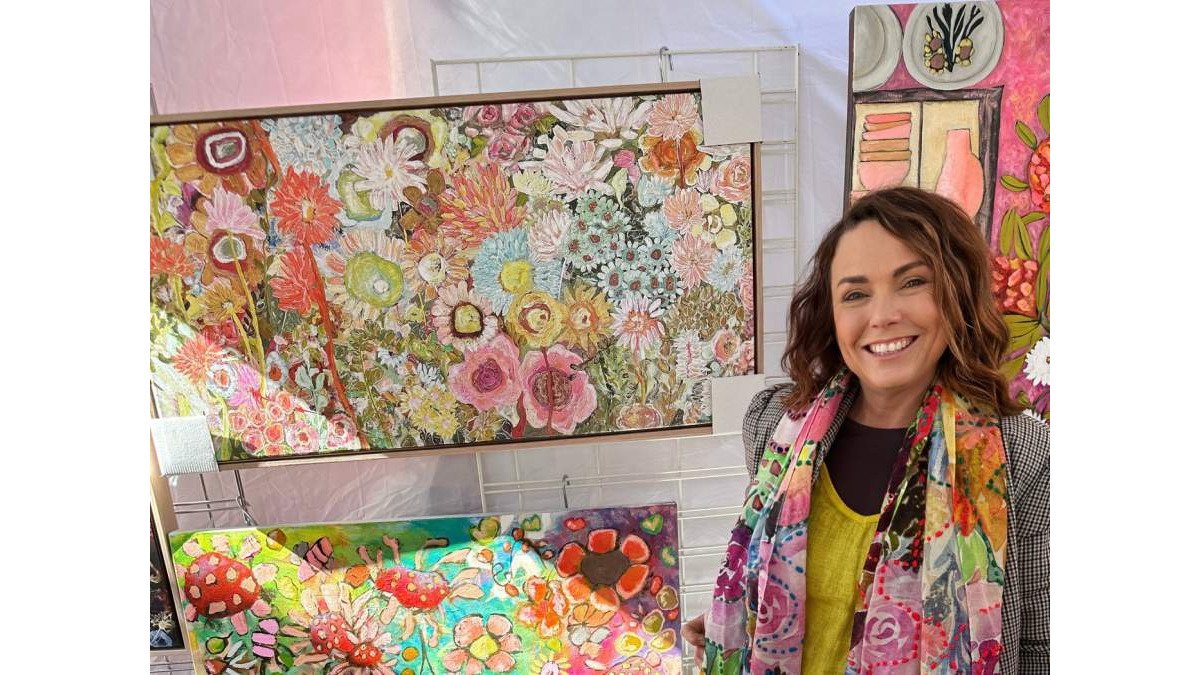
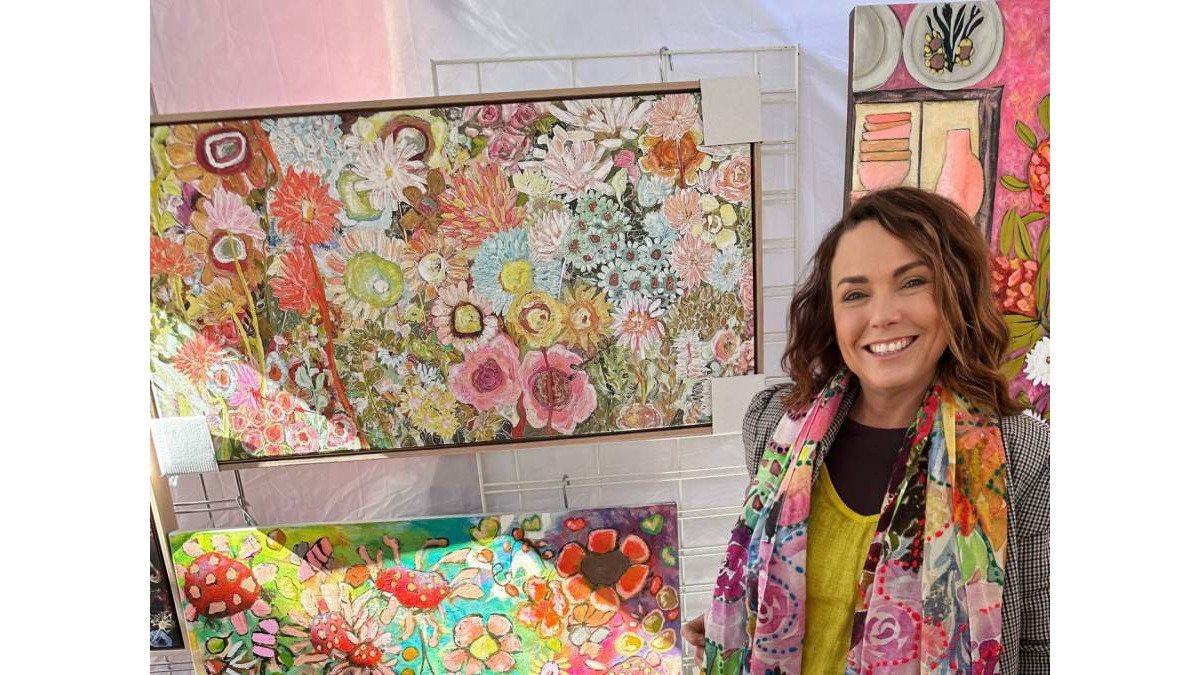
At Kerry Munns Artlife, we believe ethical fashion means creating pieces that tell a story of care. Every garment reflects a commitment to sustainable practices and fair production. When you choose ethically made clothing, you're supporting businesses that value people and the planet as much as they value profit.
The distinction matters because many brands claim to be sustainable without backing it up. True ethical fashion brands prove their commitment through certifications, transparent reporting, and genuine partnerships with their production teams.
Check Ethical Clothing Certifications and Labels
Look for recognised certifications on clothing labels and product descriptions. These third-party seals provide independent verification that a brand meets specific ethical standards.
Key certifications to recognise include:
- GOTS (Global Organic Textile Standard), confirms organic fibre content and ethical production practices
- Fair Trade Certified, ensures workers receive fair wages and work in safe conditions (Fairtrade standards)
- B Corp Certification, verifies the company meets high standards for social and environmental performance
- OEKO-TEX Standard 100, confirms textiles are free from harmful substances (OEKO-TEX® STANDARD 100)
- Bluesign, certifies responsible chemical management in textile production (bluesign Standards & Criteria for Safer Production)
When shopping, check product pages for these logos. Legitimate brands display them prominently because they've invested in the certification process. If a brand claims to be ethical but shows no certifications, that's a red flag.
Evaluate Fashion Brand Supply Chain Transparency
Ethical brands openly share where and how their clothes are made. They publish information about their factories, their workers, and their production processes.
Check for these transparency indicators:
- Factory locations listed on the website
- Photos or videos of the production process
- Information about worker wages and conditions
- Details about material sourcing
- Environmental impact reports or sustainability statements
- Regular updates about supply chain improvements
Many ethical brands now publish detailed sustainability reports annually. These documents show exactly where money goes, how many people are employed, and what improvements they've made.
Kerry Munns Artlife, for example, shares that pieces are ethically made in India with fully sustainable fabrics. This transparency lets customers make informed choices about where their money goes.
How to Spot Greenwashing in Fashion
Greenwashing in fashion means making misleading claims about environmental or ethical practices to appear more sustainable than the brand actually is. It's designed to appeal to conscious consumers without backing up the promises.
Common greenwashing tactics include:
- Using words like "eco-friendly" or "natural" without certification or proof
- Highlighting one sustainable product while the rest of the range isn't
- Using green colours or leaf imagery to seem environmentally conscious
- Claiming sustainability without specific data or evidence
- Creating fake certifications that look legitimate
- Making vague promises without measurable goals
To avoid greenwashing, ask yourself these questions before buying:
- Can the brand back up its claims with certifications?
- Does it share specific information about production?
- Are the claims consistent across the entire product range?
- Does the brand publish sustainability reports?
- Can you find independent reviews or third-party verification?
Look beyond marketing language. Real ethical brands provide concrete evidence. They're happy to answer questions about their practices because they have nothing to hide.
Research Ethical Fashion Brand Ratings and Reviews
Independent review sites and sustainability databases rate fashion brands on their ethical practices. These platforms aggregate research and provide ratings based on verified information.
Unique Recycled Denim Jacket →
Useful resources include:
- Sustainability-focused review platforms that score brands on labour practices, environmental impact, and transparency
- Customer reviews on independent retail sites that mention quality, durability, and production ethics
- Industry reports from fashion sustainability organisations
- Social media communities focused on ethical fashion where customers share experiences
Read both positive and critical reviews. Look for specific feedback about durability, sizing, and whether the quality justifies the price. Customers who've actually worn the clothes provide valuable insights.
Ask Direct Questions About Production and Materials
Don't hesitate to contact brands directly. Ethical companies welcome questions because transparency is part of their brand promise.
Ask these questions:
- Where exactly are your products made? (Specific factory or region)
- What are worker wages and conditions like?
- What certifications do you hold?
- What materials do you use and where do they come from?
- How do you handle waste and environmental impact?
- What's your return and durability policy?
- Do you offer repair services?
Send an email or use the contact form on their website. How quickly and thoroughly they respond tells you a lot about their commitment to transparency. Brands that care about ethics make it easy to ask questions and provide detailed answers.
Kerry Munns Artlife uses fully sustainable fabrics and produces ethically in India. If you have questions about materials, production methods, or our commitment to ethical practices, reaching out directly gets you honest answers.
Recognise Quality and Longevity as Ethical Markers
Ethical fashion is inherently slow fashion. Pieces are designed to last, which means they're made with care, quality materials, and attention to detail.
Signs of quality include:
- Strong seams and secure stitching throughout
- Natural, durable fabrics that age well
- Thoughtful design that suits multiple occasions
- Timeless styles rather than fast-trend pieces
- Fair pricing that reflects the true cost of ethical production
- Brands offering repair services or guarantees
When a piece lasts years instead of months, you buy fewer replacements. This reduces waste and actually costs less over time. A garment that costs more upfront but lasts five times longer is more ethical than a cheap piece you discard after a season.
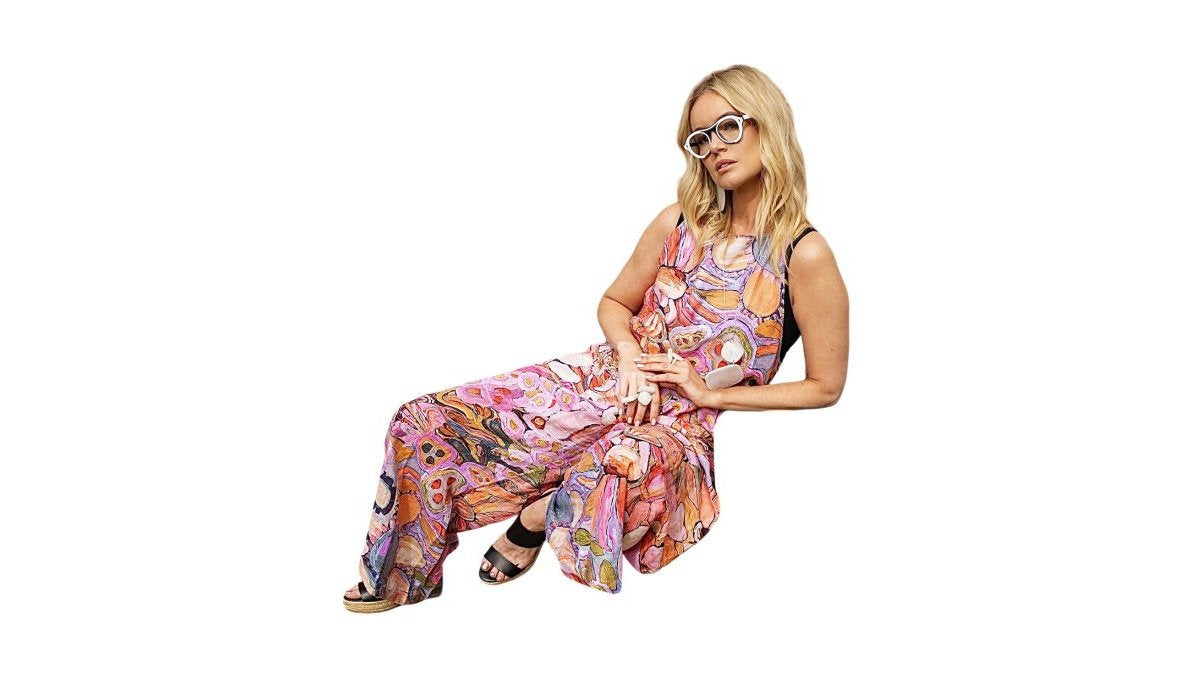
Look at the Joey Playsuit in Perfectly Violet from Kerry Munns Artlife, for example. Made from sustainable cotton/linen with careful construction, it's designed for longevity. The investment reflects quality that endures.

To identify ethical fashion brands requires looking beyond marketing claims. Check for certifications, verify supply chain transparency, research ratings, ask direct questions, and prioritise quality and longevity. These steps help you build a wardrobe that aligns with your values.
At Kerry Munns Artlife, we've made the commitment to ethical production and sustainable fabrics part of our core promise. When you choose wearable art crafted with care, you're supporting slow fashion that celebrates individuality and responsibility. Shop Wearable Art and discover pieces that feel good to wear and good to own.
Frequently Asked Questions
How can I tell if a fashion brand is truly ethical?
Look for three key markers: certified ethical labels (such as Fair Trade Certified or GOTS), transparent supply chain information showing where and how clothes are made, and honest communication about their production practices. Ethical brands openly share details about factories, wages, and working conditions. Avoid brands that make vague sustainability claims without backing them up with certifications or verifiable evidence. Kerry Munns Artlife, for example, clearly states its pieces are made ethically in India from sustainable fabrics, allowing customers to understand exactly what they're purchasing.
What certifications should I look for when identifying ethical fashion brands?
Key certifications include Fair Trade Certified, which ensures fair wages and safe conditions; Global Organic Textile Standard (GOTS), which verifies organic fibre content and ethical production; and B Corp Certification, which demonstrates overall corporate responsibility. Other credible labels include Oeko-Tex Standard 100 for chemical safety. Brands displaying these certifications have been independently audited, making them more trustworthy than self-proclaimed 'ethical' claims without third-party verification.
How can I check if a brand's supply chain is transparent?
Visit the brand's website and look for detailed information about where production happens, who manufactures their clothing, and what their labour practices are. Ethical brands publish this information openly and often link to factory details or sustainability reports. Ask the brand directly via email or social media if they don't provide this information, their willingness to answer questions is revealing. Brands that avoid these questions or give vague responses may not be genuinely committed to ethical practices.
What's the difference between sustainable and ethical fashion?
Sustainable fashion focuses on environmental impact: using organic materials, reducing waste, and minimising pollution. Ethical fashion prioritises fair labour practices, safe working conditions, and fair wages for workers. A brand can be sustainable but not ethical if it uses eco-friendly materials yet underpays workers. Conversely, a brand might treat workers fairly but use harmful chemicals. The best ethical fashion brands, like Kerry Munns Artlife, combine both: sustainable fabrics and ethical production methods that protect both the environment and the people making the clothes.


Written by Kerry Munns