Durable Sustainable Fabrics for Clothing: 2026 Guide
Table of Contents
- Why Durable Sustainable Fabrics for Clothing Matter
- What Makes a Fabric Sustainable and Durable
- The Most Durable Fabric for Clothes: A Comparison Table
- Organic Cotton Durability vs Conventional Cotton
- Hemp, Linen and Other Hard-Wearing Natural Fibres
- Recycled and Regenerated Fibres: Do They Last?
- Sustainable Fabric Certifications and How to Verify Claims
- Choosing Durable Sustainable Fabrics for Clothing
- Frequently Asked Questions
Last Updated: October 21, 2026
Why Durable Sustainable Fabrics for Clothing Matter
Durable sustainable fabrics for clothing solve a problem fast fashion created: garments that fall apart before their environmental cost has any chance to pay off. At Kerry Munns Artlife, we design wearable art from fully sustainable fabrics because a piece you wear for a decade is a far greener choice than three you replace.
The core argument is simple. A fabric's environmental impact is measured per wear, not per purchase. A linen kimono worn weekly for years carries a fraction of the footprint of a cheap top worn twice and discarded. That reframes "sustainable" as a durability question first.
What Makes a Fabric Sustainable and Durable
A fabric is sustainable when its fibre production, processing and end of life keep environmental impact low across the whole life cycle. Durability is the multiplier: the longer a garment stays in use, the more that lower impact is spread across wears.
Resource Use, Processing and End of Life
Look at three stages. Fibre production covers water, land and pesticide use. Processing covers chemical treatment and energy, where regenerated cellulose and conventional cotton diverge sharply. End of life covers biodegradability, recyclability and compostability. Natural fibres like linen and hemp generally biodegrade; synthetic fibres like nylon and acrylic persist and shed microfibres.
Practical Durability: Abrasion, Pilling and Colour Fastness
Durability is not one property. It is a cluster: abrasion resistance (how the surface handles friction), pilling (whether loose fibres ball up), and colour fastness (how well dye holds through washing). A hard-wearing fabric resists all three. This is where marketing claims usually get vague, so judge the weave and weight, not just the fibre name.
The Most Durable Fabric for Clothes: A Comparison Table
The most durable fabric for clothes depends on use, but linen, hemp and tightly woven organic cotton consistently outperform lighter synthetics on longevity per wear. Rather than ranking fibres by reputation, judge them against the performance criteria that determine how long a garment actually lasts: abrasion resistance, pilling, seam strength, shrinkage, colourfastness and expected care life.
How Durability Is Actually Measured
Textile laboratories assess abrasion resistance with tests such as the Martindale method, which rubs fabric against a standard abrasive under controlled pressure and records the number of cycles before the surface breaks down. Pilling is graded on a visual scale after simulated wear, and colourfastness is checked by washing, rubbing and light exposure against grey scales. Shrinkage is measured after repeated laundering, and seam strength is tested by pulling a stitched join until it fails.
Most practitioners find that fibre type sets the ceiling, but weave, yarn twist, fabric weight and construction decide where a garment lands within it. A heavy, tight weave in a modest fibre will usually outlast a loose, lightweight weave in a premium one.
| Fabric | Durability strengths | Watch-outs | Best for |
|---|---|---|---|
| Linen (flax) | Very hard-wearing; stronger when wet; improves with washing | Wrinkles; can abrade at high-friction points if lightweight | Kimonos, summer layers, trousers |
| Hemp | High abrasion resistance; strong yarn | Can feel stiff at first; limited drape | Jackets, trousers, workwear |
| Organic cotton (tight weave) | Good wear resistance; easy care; predictable shrinkage | Pilling if loosely knit or low-twist yarn | Dresses, shirts, denim |
| Recycled polyester | Strong; quick-drying; good colourfastness | Sheds microfibres; can pill with friction | Activewear, outer layers |
| Lyocell | Soft; good drape; moderate strength dry | Weaker when wet; can shrink or distort with heat | Draped tops, linings |
| Wool | Natural resilience; odour resistance; good recovery | Can felt or shrink with heat and agitation | Knitwear, coats |
What the Table Cannot Tell You
No fibre is durable in the abstract. A lightweight lyocell top and a heavy lyocell trouser share a fibre name but not a lifespan. When comparing garments, ask about fabric weight (often given in grams per square metre), weave structure, and whether seams are reinforced at stress points. Those details predict care life more reliably than the fibre label alone.
Organic Cotton Durability vs Conventional Cotton
Organic cotton durability matches or beats conventional cotton when the weave is comparable, because the difference lies in growing and processing, not in strength. Organic farming avoids synthetic pesticides, which lowers the fibre's environmental impact without sacrificing how it wears.
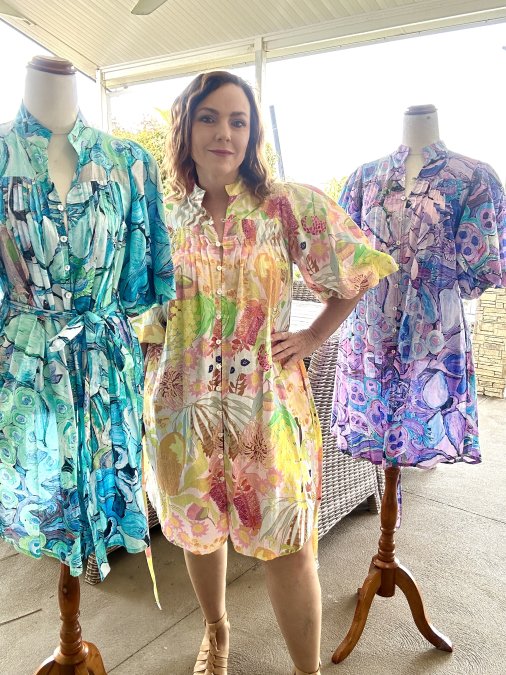
What most guides miss is that construction matters more than the organic label. We favour 100% sustainable cotton for pieces like our Abby Dress in Floral Coral ($189.00) because the fibre takes colour richly and stays comfortable against the skin.

Hemp, Linen and Other Hard-Wearing Natural Fibres
Hemp and linen are the workhorses of lower-impact clothing. Hemp grows densely with modest water and land use and resists abrasion strongly, though it can feel stiff until broken in. Linen, from the flax plant, is famously hard-wearing and actually strengthens when wet, making it ideal for garments washed often.
Wool adds natural resilience and temperature regulation. These natural fibres biodegrade at end of life, closing the loop that synthetic fibres leave open.
Linen Clothing Care: Keeping Flax Pieces Strong
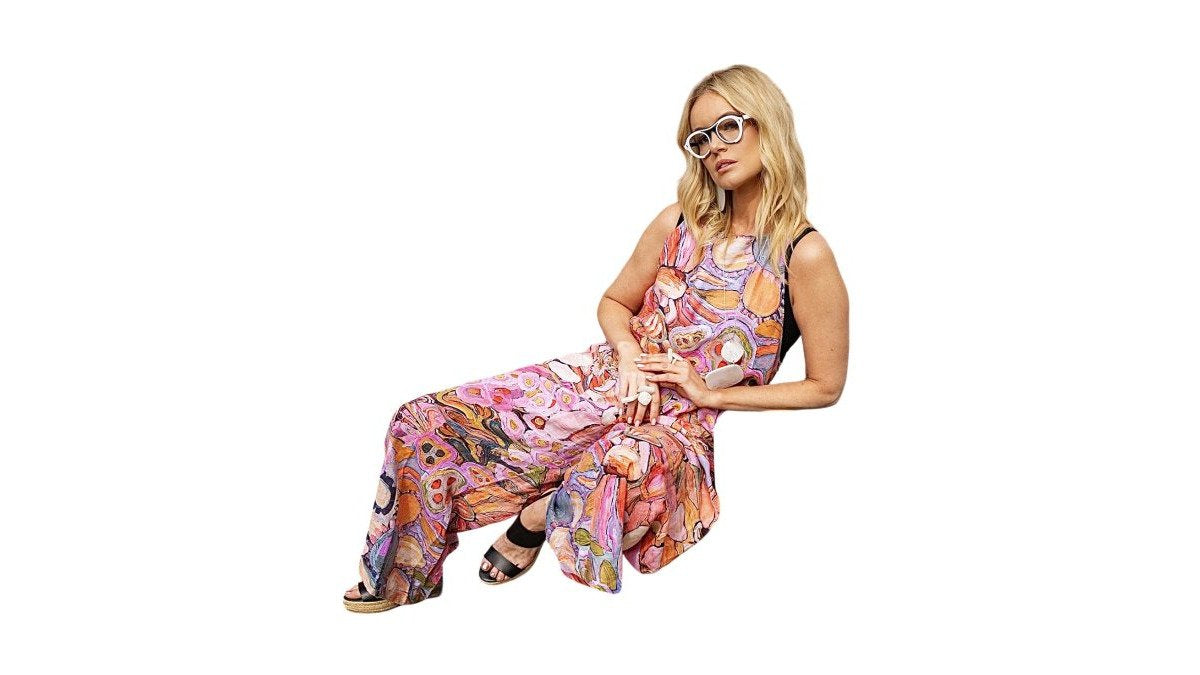
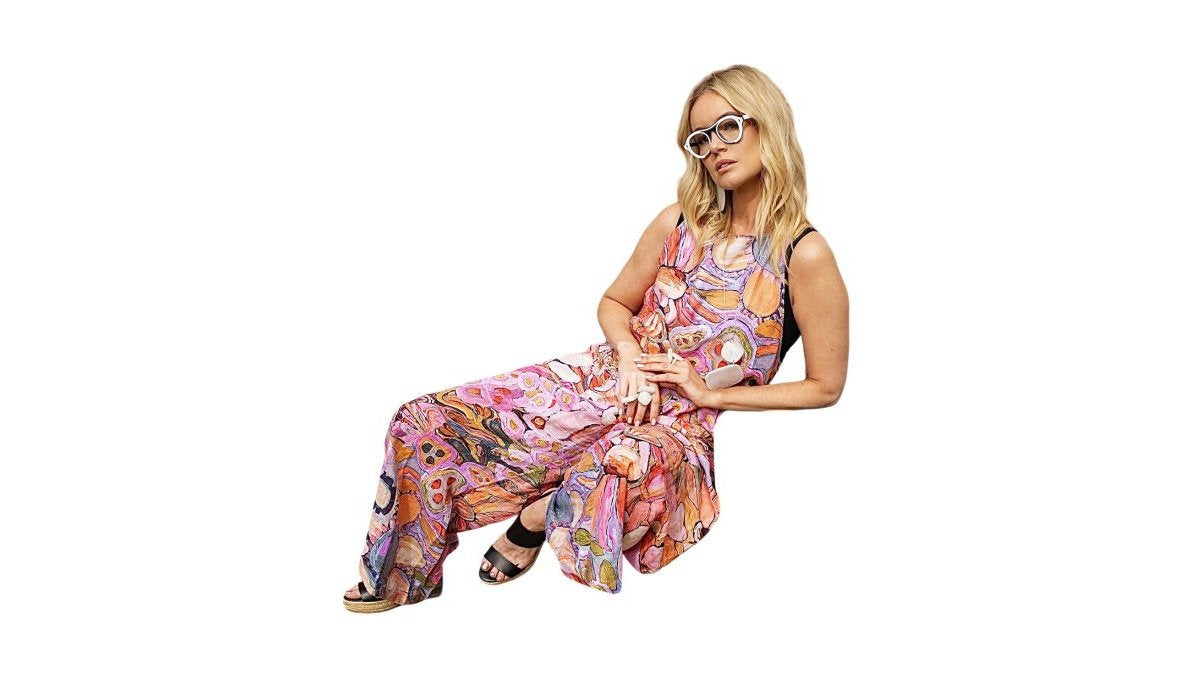
Linen clothing care is straightforward and rewards a light touch. Wash cool, skip harsh detergents, and line-dry rather than tumble. Linen creases by nature; embrace it rather than over-ironing, which stresses the fibre. Our Long Kimono in Floral Coral ($230.00) is made from soft 100% breathable linen precisely because the fibre improves with wear and gentle care.

Recycled and Regenerated Fibres: Do They Last?
Recycled and regenerated fibres can last well, but their durability varies more than natural fibres, and that variation matters because durability and lifecycle impact are linked. A recycled fibre made from a low-quality feedstock may pill or shed faster than its virgin equivalent, while a well-made regenerated cellulose can outlast a cheap natural knit. The useful question is not whether recycled or regenerated fibres last, but whether the longevity gain justifies the processing and end-of-life trade-offs.
Unique Recycled Denim Jacket →
Recycled Polyester: Strength Versus Shedding
Recycled polyester is strong, quick-drying and holds colour well, which makes it genuinely durable in activewear and outer layers. Its weakness is shedding: every wash releases microfibres, and recycled polyester sheds in much the same way as virgin polyester. Those fibres persist in the environment rather than biodegrading. A durable recycled polyester garment worn for years still sheds less in total than a cheap one replaced each season, but the fibre does not close the loop at end of life the way natural fibres can.
Lyocell and Regenerated Cellulose
Lyocell uses a closed-loop solvent system that recovers most of the processing chemicals, which lowers its production impact compared with older regenerated fibres. It is soft and drapes well, but it is weaker when wet and can shrink or distort if washed hot or tumble-dried. Treated gently, lyocell holds up reasonably; treated like cotton, it loses shape quickly. Bamboo textiles sit on a spectrum: mechanically processed bamboo retains a natural fibre structure, while chemically processed bamboo becomes a regenerated cellulose fibre with different durability and end-of-life behaviour.
Blends: The Durability Trade-Off
Fibre blends trade one strength for another. Adding a small percentage of elastane improves stretch and recovery, which can extend the life of a garment that would otherwise sag. Blending recycled cotton with stronger fibres offsets its shorter staple length, reducing pilling and improving abrasion resistance. The trade-off is real: blends improve performance and durability but complicate recycling at end of life, because mixed fibres are harder to separate. Weigh the longevity gain against the recyclability loss, and favour blends only where they solve a specific performance problem.
Durability as the Multiplier on Lifecycle Impact
The environmental case for recycled and regenerated fibres is strongest when the garment is worn many times. Impact per wear falls sharply as lifespan rises, so a durable recycled polyester jacket worn weekly for years can carry a lower footprint per wear than a biodegradable natural garment worn twice. Repairability matters here too: a garment with accessible seams and replaceable components can be kept in use longer, which is where the durability focus and the sustainability focus meet.
Sustainable Fabric Certifications and How to Verify Claims
Sustainable fabric certifications are your best defence against greenwashing, but only if you check what each one actually covers. Look for recognised textile certifications that trace fibre origin, organic content or chemical safety, then verify the claim against the certifying body's public register rather than trusting a logo alone.
Ask suppliers directly which standard applies and to which stage of production. Transparency about fibre sourcing and ethical production is the clearest signal a brand can give.
Choosing Durable Sustainable Fabrics for Clothing
Choosing well comes down to matching fibre, weave and care to how you actually live. Prioritise hard-wearing natural fibres for pieces you will wash often, check certifications against the source, and commit to care and repair that extend garment life.
At Kerry Munns Artlife, every piece is made from fully sustainable fabrics and ethically made in India as part of our slow fashion promise. Our Unique Recycled Denim Jacket ($550.00) is a one-off original in 100% sustainable cotton, designed and made in Australia.

Frequently Asked Questions
Which sustainable fabrics last the longest?
Hemp and linen typically outlast other natural fibres because their long staple fibres resist abrasion and pilling. Hemp can handle repeated washing and wearing for years, and linen softens with age without losing strength. Organic cotton is durable when woven at a higher density, while recycled polyester holds up well but can shed microfibres. For garments you plan to wear weekly, choose hemp, linen or tightly woven organic cotton, and check the fabric weight before buying.
Is organic cotton more durable than conventional cotton?
Organic cotton durability is comparable to conventional cotton when both are spun and woven to the same specifications. The difference lies in processing: organic cotton avoids the harsh chemical treatments that can weaken fibres, so well-made organic cotton often keeps its shape and colour longer. Look for longer staple lengths and higher thread counts. A 100% organic cotton dress or shirt, washed gently and dried in shade, will generally wear as well as, or better than, its conventional equivalent.
Are recycled fabrics as durable as virgin fabrics?
Recycled polyester and recycled cotton can match virgin fibres in durability when the recycling process preserves fibre length. Mechanically recycled cotton often has shorter fibres, which can reduce strength, so it is frequently blended with virgin cotton or polyester. Chemically recycled fibres such as regenerated cellulose retain good tensile strength. Check the blend ratio and care label: a recycled fabric with a tight weave and reinforced seams will perform well over time.
How can you tell whether a fabric is sustainably made?
Look for third-party sustainable fabric certifications on the garment or brand website. GOTS covers organic cotton from field to finished product, while OEKO-TEX Standard 100 confirms no harmful substances remain. The Global Recycled Standard verifies recycled content, and the Responsible Wool Standard covers animal welfare and land management. Brands should publish certification numbers or audit reports. If a label makes vague claims without a certifying body, treat it as marketing rather than proof.
How should you care for sustainable fabrics so they last longer?
Wash less often, use cold water and a gentle detergent, and turn garments inside out to reduce abrasion. Linen clothing care benefits from line drying in shade and a medium iron while slightly damp. Hemp softens with each wash but should be air dried to prevent shrinkage. Store knitwear folded, repair small holes promptly, and keep garments away from direct sunlight for long periods. These habits extend garment longevity and reduce the microfibre shedding that occurs with frequent washing.
The challenge is finding clothing that is both genuinely sustainable and durable enough to justify the investment. Kerry Munns Artlife meets that bar with original artwork transformed into fashion, fully sustainable fabrics, and ethically made slow-fashion pieces designed to last. Shop Wearable Art and build a wardrobe of vibrant, hard-wearing originals you will reach for again and again.

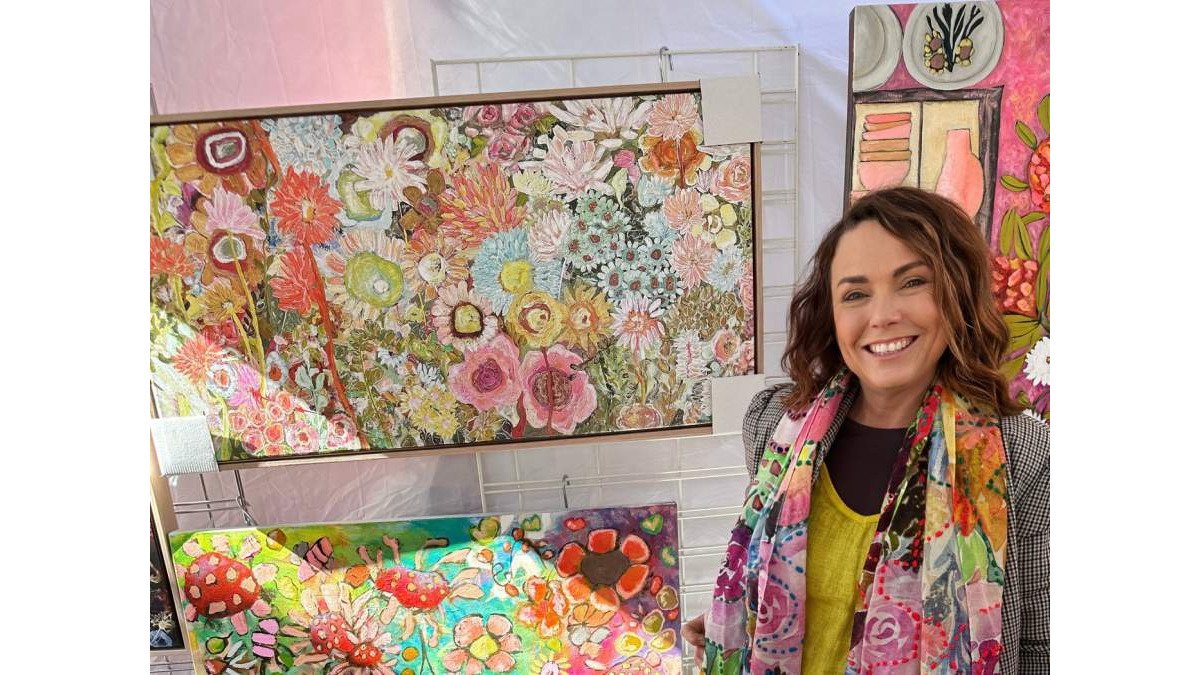
Written by Kerry Munns