Why Wear Original Painted Clothing: A Guide to Wearable Art
Table of Contents
- What Makes Original Painted Clothing Different
- Hand-Painted Clothing as Wearable Art
- The Benefits of Buying One-of-a-Kind Pieces
- Sustainable Artisan Clothing and Ethical Production
- How to Care for Hand-Painted Clothes
- Investment Value and Quality That Lasts
- Finding Your Perfect Hand-Painted Piece
- Frequently Asked Questions
Last Updated: October 11, 2026
What Makes Original Painted Clothing Different
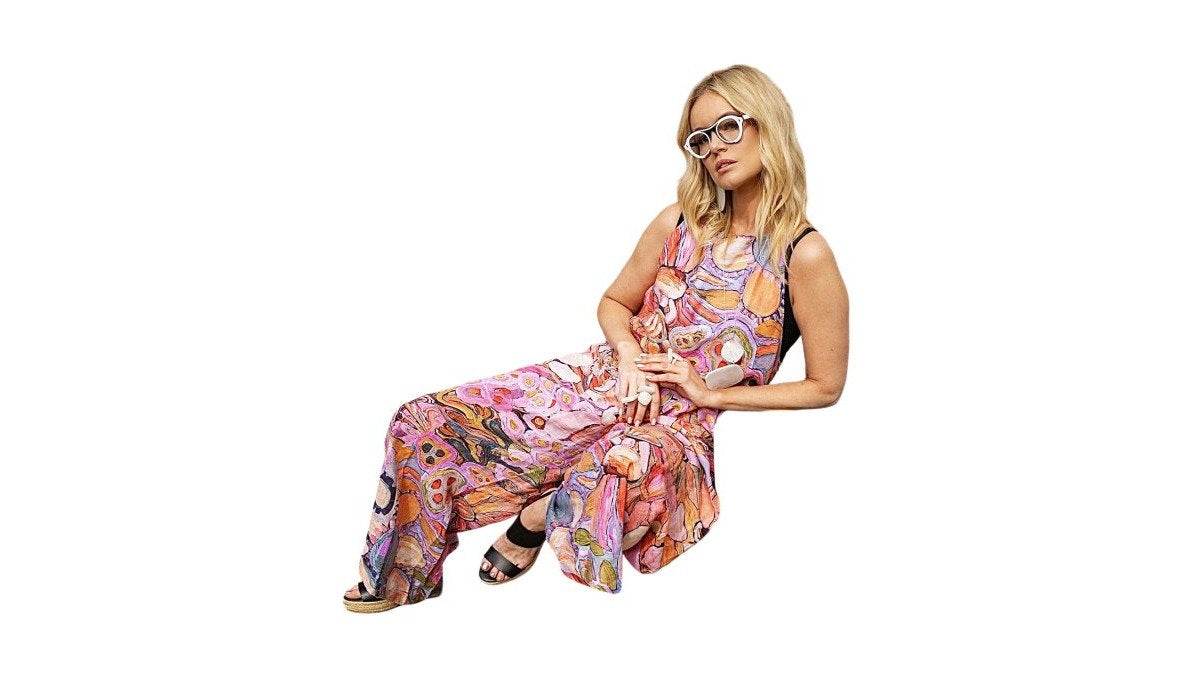
Original painted clothing transforms everyday garments into wearable art by combining fine art with fashion. Each piece carries unique hand-painted designs that cannot be replicated, making every item truly one-of-a-kind.
When an artist paints directly onto fabric, they bring their vision to life through colour, texture, and intentional imperfection. No two pieces are ever exactly alike, even when created by the same artist using similar themes, you're acquiring a wearable piece of original art that reflects the artist's skill and vision.
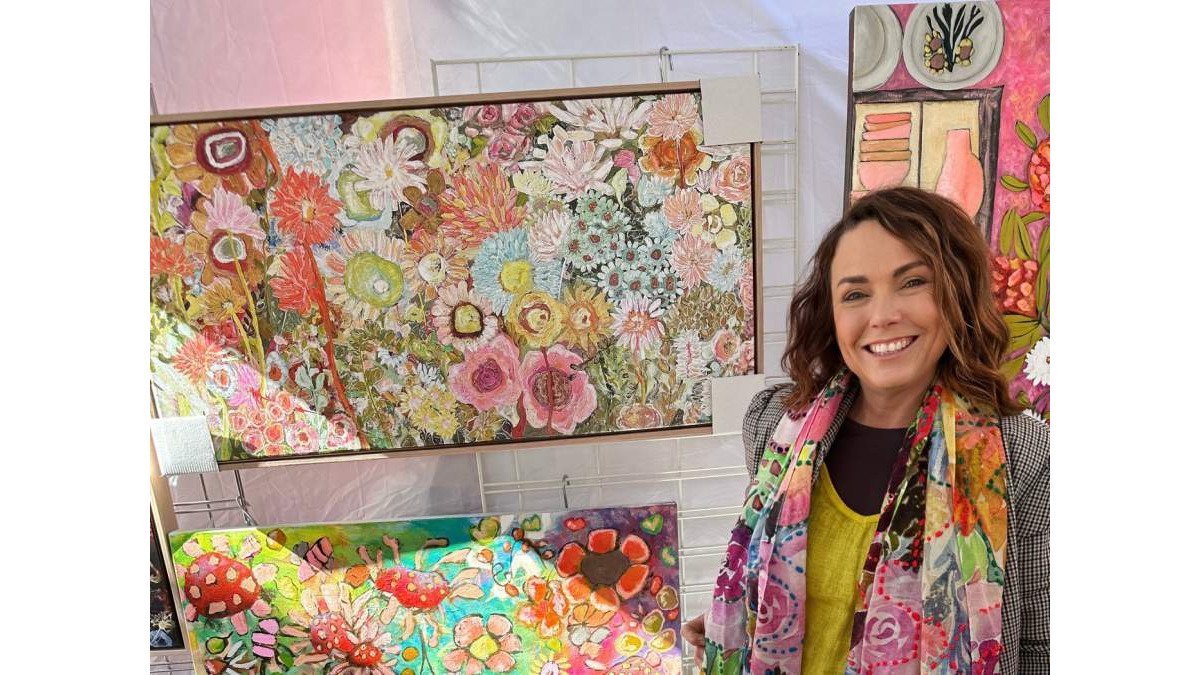
At Kerry Munns Artlife, we transform original paintings into vibrant garments designed to make you feel bold, beautiful, and completely unique. Each hand-painted piece celebrates colour, joy, and individual expression, bridging the gap between fine art and fashion in a way mass production simply cannot achieve.
Hand-Painted Clothing as Wearable Art
Hand-painted clothing merges the gallery experience with everyday wear, allowing you to carry artistic expression with you throughout your day.
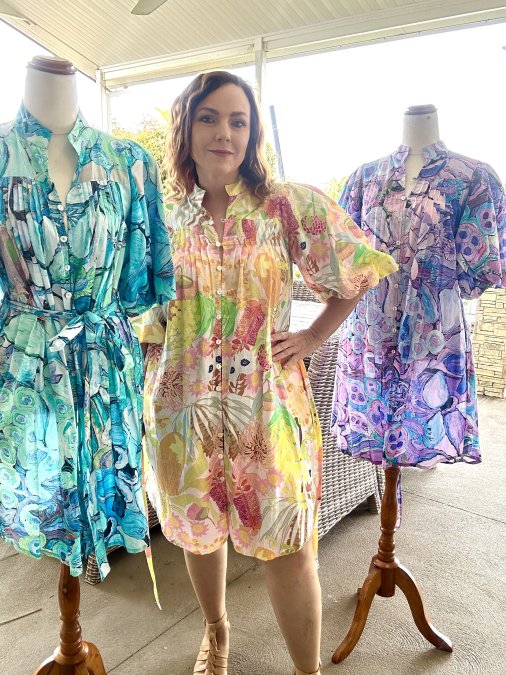
When you wear hand-painted garments, you're making a statement about who you are. The artistic flair embedded in every brushstroke communicates that you value creativity, originality, and authenticity.
Artists sketch designs, select colour palettes, and paint directly onto sustainable fabrics with careful attention to detail.
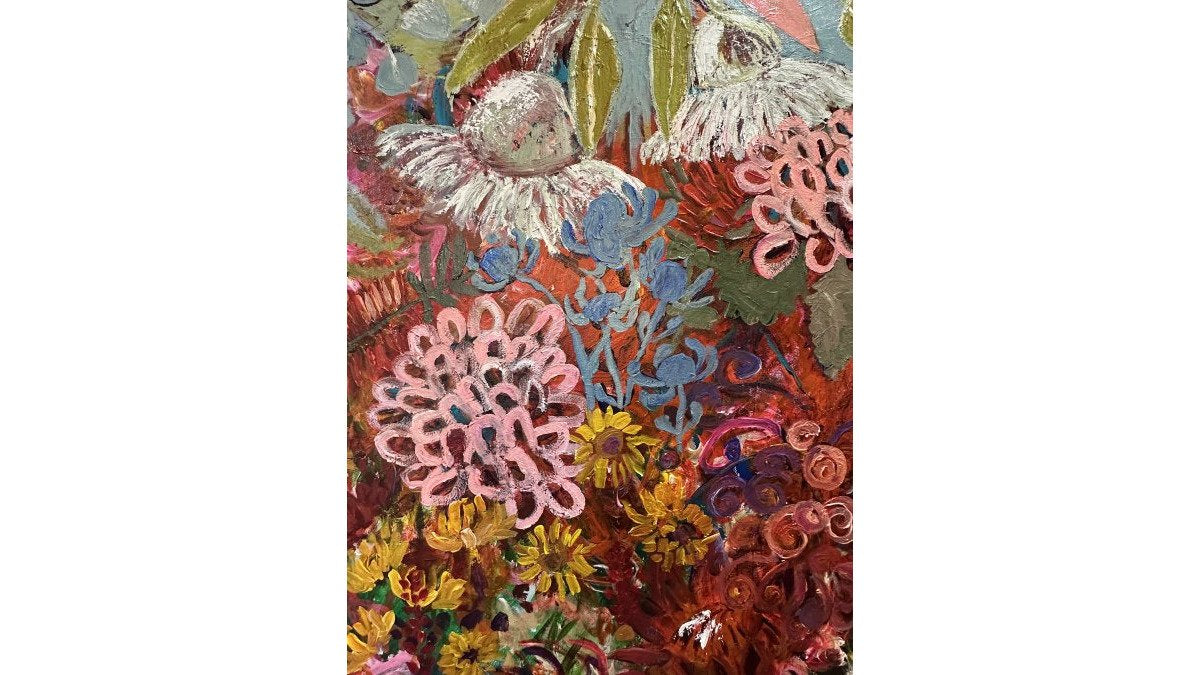
Hand-painted designs create visual appeal that photographs cannot capture fully. The layering of colours, subtle variations in brushwork, and the way light interacts with painted fabric create depth and dimension that mass-produced prints lack.
The Benefits of Buying One-of-a-Kind Pieces
Purchasing one-of-a-kind pieces offers advantages that extend far beyond aesthetics. You gain access to personal expression, confidence, and lasting value that standard fashion cannot provide.
Personal Expression and Individuality
Original painted clothing allows you to express your personality in ways mass-market fashion restricts. The artistic designs reflect your appreciation for creativity, craftsmanship, and authenticity.
You'll never encounter someone else wearing the exact same piece. This exclusivity reinforces your sense of self and confidence in your style choices.
Turning Everyday Outfits into Statement Pieces
Hand-painted clothing transforms ordinary moments into opportunities for artistic expression, allowing you to carry your mood and personality with you.
Vibrant, hand-painted designs boost mood and project confidence and creativity. The piece becomes a symbol of your values, slow fashion, ethical production, and supporting artists who pour their talent into every garment.
Styling hand-painted pieces is straightforward, pair a vibrant top with neutral trousers or a simple skirt, and the artwork becomes the focal point.
Sustainable Artisan Clothing and Ethical Production
Choosing hand-painted clothing aligns your wardrobe with values around sustainability and ethical labour practices, representing a commitment to slow fashion.
Hand-painted pieces use sustainable fabrics and ensure fair wages and safe working conditions. When you invest in original painted clothing, you're supporting artists who prioritise quality over quantity.
Rather than contributing to fast fashion's waste stream, you're purchasing garments designed to last and meant to be treasured.
Original painted clothing asks you to slow down, appreciate craftsmanship, and make deliberate choices, fashion with purpose that supports ethical practices and artistic integrity.
How to Care for Hand-Painted Clothes
Proper care ensures your hand-painted garments remain vibrant and beautiful for years to come. Understanding paint types, curing, and realistic longevity helps you make an informed decision about whether hand-painted clothing suits your lifestyle and wardrobe habits.
Paint Types and Durability
Hand-painted garments use textile-specific paints formulated to adhere to fabric fibres and withstand wear and washing. Most professional artists use either acrylic-based textile paints or fabric dyes, each with different durability profiles.
Acrylic textile paints are water-resistant once cured and offer vibrant colour retention but may crack if folded repeatedly. Fabric dyes bond chemically with fibres for a softer feel and superior flexibility, though they require longer curing times (typically 24-72 hours).
Curing time is critical. Most artists recommend waiting at least 48 hours before first wear and 7 days before the first wash to allow the paint to cure completely and prevent colour bleeding or fading.
Once properly cured, hand-painted designs can last 50+ wears with correct care. Fading depends on paint quality, fabric type, washing frequency, and sun exposure.
Washing and Drying Best Practices
Hand-painted garments require gentler handling. Always wash in cold water using a delicate cycle and turn the garment inside out to protect the painted surface.
Use mild, pH-neutral detergent formulated for delicate fabrics. Avoid bleach, fabric softeners, and harsh chemicals. Hand washing is ideal, submerge in cool soapy water, gently agitate, rinse thoroughly, and squeeze out excess moisture without wringing.
Washing frequency matters. Limit washing to every 3-5 wears if possible, and spot-clean small marks rather than washing the entire garment. This practice reduces cumulative fading and stress on the paint.
Avoid the tumble dryer entirely. Instead, lay the garment flat or hang it in a shaded area. Air drying preserves colours and extends the life of hand-painted designs.
Storage and Longevity
Store hand-painted clothing in a cool, dry place away from direct sunlight. Use acid-free tissue paper to wrap folded garments, preventing creases and protecting the paint.
Avoid plastic storage containers, which trap humidity. Use breathable cotton storage bags or clean shelving, and keep hand-painted pieces separate from items with zips or rough textures.
Unique Recycled Denim Jacket →
Proper storage practices mean your original painted clothing remains in excellent condition for decades. Minor fading or subtle wear adds authenticity; the garment becomes more personal to you as it ages.
Investment Value and Quality That Lasts
Sustainable fabrics, hand-painted designs, and ethical production methods contribute to durability and longevity. Cost per wear over a hand-painted piece's lifetime is far lower than disposable fashion items.
Each garment carries the artist's skill and intention. The brushwork, colour selection, and design choices reflect hours of creative work. You're not paying for marketing or brand overhead, you're investing directly in artistry and craftsmanship. This distinction matters for conscious consumers who understand that true value lies in quality, sustainability, and the story behind what they wear.
Hand-painted pieces also develop character over time. Minor fading or subtle wear adds authenticity rather than diminishing appeal. The garment becomes more meaningful as it becomes more personal to you, creating a lasting connection between wearer and artwork.
Finding Your Perfect Hand-Painted Piece
Selecting or commissioning original painted clothing involves understanding your personal style, lifestyle needs, the artist's process, and what to expect in terms of cost, timeline, and customisation.
Evaluating Artists and Portfolios
Start by exploring collections that feature artistic styles and colour palettes that genuinely appeal to you. Hand-painted designs range from bold florals to abstract patterns, from vibrant jewel tones to soft pastels.
When reviewing an artist's portfolio, look for consistency in brushwork quality, colour vibrancy, and design execution across multiple pieces. Ask yourself: Does the work feel intentional and skilled, or rushed? Are colours applied evenly, or do variations suggest the artist's hand? Do designs complement the garment shape, or do they feel arbitrarily placed?
Check the artist's background and experience. How long have they been hand-painting garments? Do they work with sustainable fabrics? What paint types do they use, and can they explain why? Reputable artists are transparent about their materials and process.
Commissioning Custom Designs
If you want a bespoke piece, most artists accept custom commissions. Before approaching an artist, clarify what you're looking for: the garment type (blouse, jacket, t-shirt), colour palette, design theme, and any specific imagery or symbols that matter to you.
Understand the commissioning process. Most artists will:
-
Discuss your vision, Describe your idea in detail. Provide reference images, mood boards, or colour swatches if possible. The more specific you are, the closer the final piece will match your expectations.
-
Provide a design sketch or approval, Quality artists will sketch the design on the garment shape and send it for your approval before painting. This step is crucial; it allows you to request adjustments to placement, scale, or composition before the artist commits paint to fabric.
-
Confirm sizing and fit, Provide accurate measurements or indicate your usual size. Hand-painted garments are often made-to-order, so sizing must be correct before production begins. Ask about fit (does the artist size generously or close to standard?) and whether alterations are possible after painting.
-
Establish turnaround time, Custom commissions typically take 2-6 weeks depending on design complexity, the artist's schedule, and curing time required. Confirm the timeline upfront and ask about rush fees if you need the piece urgently.
-
Agree on cost, Commission prices vary widely based on design complexity, garment type, and artist experience. Discuss payment terms, many artists require a deposit (typically 30-50%) upfront, with the balance due before shipment.
Selecting Ready-Made Pieces
Consider how you'll actually wear the piece. Will it work for your everyday lifestyle, or is it better suited for special occasions? The beauty of hand-painted clothing is its versatility, a vibrant painted top works with casual basics or dressed-up separates.
Quality indicators matter when selecting hand-painted garments. Examine the brushwork, colour consistency, and overall finish. Hand-painted designs should show intentional variation and artistic detail, evidence of the artist's hand rather than mechanical reproduction.
Verify fabric content and care requirements. Sustainable fabrics like organic cotton, linen, or hemp are common in hand-painted garments.
Check sizing carefully. Hand-painted garments are often made in limited quantities or as one-offs, so size runs may be inconsistent. Review the artist's sizing chart and read customer feedback about fit.
Understanding Value and Investment
Hand-painted clothing represents genuine investment value. A piece at £100-£300 may seem expensive compared to mass-produced fashion, but the cost reflects sustainable materials, hand labour, artist skill, and ethical production.
Each garment carries the artist's intention and skill. You're not paying for marketing or brand overhead; you're investing directly in artistry and craftsmanship. This distinction matters for conscious consumers who understand that true value lies in quality, sustainability, and the story behind what you wear.
Hand-painted pieces also develop character over time. Minor fading or subtle wear adds authenticity rather than diminishing appeal. The garment becomes more meaningful as it becomes more personal to you, creating a lasting connection between wearer and artwork.
Examples of Hand-Painted Investment Pieces
Pieces like the Reversible Quilted Jacket in Spring Fling Peach at £240 feature two original artworks in one garment, offering versatility and value. The Jessica Blouse in Floral Coral at £125, crafted from breathable cotton with hand-painted florals, brings artistic flair to everyday wear. For those seeking versatile basics, a hand-painted t-shirt at £89 transforms ordinary outfits into statement pieces. True investment pieces like a Unique Recycled Denim Jacket at £550, handmade from recycled denim with original artwork and available in extremely limited quantities, represent heirloom-quality garments designed to last decades.

Frequently Asked Questions
What makes hand-painted clothing unique compared to mass-produced fashion?
Hand-painted clothing transforms original artwork directly onto fabric, creating one-of-a-kind pieces that cannot be replicated exactly. Each brushstroke, colour choice, and artistic decision is intentional, making every garment a wearable canvas rather than a factory reproduction. Unlike mass-produced items, these pieces carry the artist's creative vision and individual character, ensuring you own something truly original that reflects artistic flair and personal aesthetic.
How durable are hand-painted clothes if I'm paying a premium price?
Hand-painted garments crafted from quality sustainable fabrics are designed for longevity when cared for properly. The paint is applied using methods that bond with the fabric rather than sitting on the surface, and sustainable cotton and natural fibres hold their integrity through regular wear. Proper washing (gentle cycles, cool water, minimal agitation) and storage protect both the fabric and artwork, allowing these pieces to remain vibrant and wearable for years. The premium investment reflects both the artistic craftsmanship and durable materials used.
Why should I choose sustainable artisan clothing over conventional brands?
Sustainable artisan clothing supports ethical production, reduces environmental impact, and celebrates slow fashion principles. Artisan makers typically use natural, responsibly sourced fabrics and transparent production methods, meaning you know exactly where and how your garment was made. This approach prioritises quality over quantity, ensuring each piece is built to last rather than designed for disposal. By choosing artisan wearable art, you're investing in your wardrobe while supporting fair labour practices and environmental responsibility.
How do I care for hand-painted clothes to keep them looking vibrant?
Wash hand-painted garments in cool water using a gentle cycle, and avoid harsh detergents that can fade artwork. Turn the piece inside out before washing to protect the painted surface, and air-dry whenever possible rather than using a tumble dryer, which can damage both fabric and paint. Store in a cool, dry place away from direct sunlight to prevent colour fading. These simple steps preserve the artistic details and keep your wearable art looking bold and beautiful for years to come.

Written by Kerry Munns