Are Expensive Clothes More Durable?
Last Updated: November 4, 2026
Quick Summary
Are expensive clothes more durable? Often, but not always, since a higher price can reflect better fibres, tighter construction and careful finishing, yet it can also reflect branding and retail overheads. Checking the care label, seams, stress points, fabric and repairability before you buy tells you more than the price tag does.
- Price is a rough signal of durability, not a guarantee of how long a garment will last.
- Check whether the care label allows gentle machine washing, which is kinder to fabric than harsh cleaning.
- Look for even seam stitching with no puckering, since puckering suggests fabric fed under tension.
- Inspect stress points such as underarms, crotch and buttonholes for bar tacks and extra stitching.
- Judge cost per wear rather than purchase price, since a repairable piece worn often can cost less over time.
Table of Contents
- Does a Higher Price Mean Clothes Last Longer?
- Price Versus Quality: Where the Money Actually Goes
- How to Tell If Clothes Are Good Quality Before You Buy
- The Most Durable Clothing Fabrics and How They Perform
- How Long Should Clothes Last, and What Shortens Their Life
- How to Make Clothes Last Longer
- Choosing Durable Pieces From Kerry Munns Artlife
- Frequently Asked Questions
Does a Higher Price Mean Clothes Last Longer?
Are expensive clothes more durable? Often, yet not always. A higher price can reflect better fibres, tighter construction and more careful finishing, but it can also reflect branding, retail overheads and a designer's name.
Many shoppers assume a premium label guarantees longevity. In practice, price is a rough signal rather than a promise. Some expensive pieces are built from heavy, well-spun fibres and reinforced at stress points. Others carry a high price for a logo or a fashionable cut.
Price Versus Quality: Where the Money Actually Goes
Garment cost is spread across several things: raw materials, labour, design, transport, packaging, marketing and the retailer's margin. Only some of that money goes into the cloth and stitching that determine how long a piece lasts.
This matters for artisan and handmade work in particular. When you assess a piece, look at what the price is actually paying for: the fabric, the construction and the finishing.
How to Tell If Clothes Are Good Quality Before You Buy
Most durability problems are visible before you pay, if you know where to look. The inspection below can be done in any shop or on any marketplace listing where you can see close-up photos of the inside. Work through it in order, because the early checks tell you whether the later ones are worth doing.
Start With the Care Label, Not the Price Tag
Before you touch the fabric, read the care label and the fibre composition. A garment that demands dry cleaning only, or hand washing in cold water, will cost more to own and is more likely to be worn less often. A piece that can be machine washed cool and air dried fits real life better, and frequent gentle washing is usually kinder to fabric than infrequent harsh cleaning. Note the fibre percentages as well: a small share of elastane adds recovery, but a high share can sag and thin over time.
Check the Seams and Stitch Density
Turn the garment inside out and look at the seams, not the outside. Even, closely spaced stitching with no loose threads or skipped stitches signals a machine and operator that were given time. Seams should lie flat without puckering along the whole panel; puckering across a seam usually means the fabric was fed through under tension and is a warning sign. Look at how raw edges are finished.
Inspect the Stress Points
Durability failures cluster at a few places: underarms, the crotch, buttonholes, pocket mouths, zip ends and the points where straps or sleeves meet the body. At each, check for reinforcement. Look for bar tacks, the short dense stitches used to anchor pocket corners and fly openings, and for extra stitching at the underarm and crotch. A zip should run smoothly and be anchored at both ends; a cheap zip that snags on first use rarely improves.
Judge the Fabric in Your Hands
Hold the cloth up to the light: if you can see straight through it, expect it to thin and tear sooner. Gently stretch a small section and let go; good fabric recovers its shape rather than staying baggy. Rub the surface between finger and thumb and look for loose fibres lifting, which hints at pilling. For knits, check the gauge, since a tighter knit generally holds shape better than a loose one.
Look for Repairability
A durable garment is one you can fix. Check whether seams have enough allowance to be let out or re-stitched, whether buttons are standard sizes you can replace, and whether the care label gives fibre content you can match for a patch.
Watch out: a high price and a designer label tell you nothing about any of the checks above, so inspect the garment itself rather than trusting the tag.
Most durability problems can be spotted before you pay, using a few quick checks.
| Check | What to look for | Why it matters |
|---|---|---|
| Care label | Machine washable, cool and air dried | Frequent gentle washing is kinder to fabric |
| Seams | Even stitching, no puckering | Puckering suggests fabric was fed under tension |
| Stress points | Bar tacks, extra stitching at underarm and crotch | Durability failures cluster at these points |
| Fabric light test | Cannot see straight through | Sheer cloth thins and tears sooner |
| Stretch test | Recovers its shape when released | Good fabric does not stay baggy |
| Repairability | Standard buttons, seam allowance | Repairable garments are kept longer |
The Most Durable Clothing Fabrics and How They Perform
Fibre choice has a large effect on how long a garment holds up. Denim and heavier cotton weaves are hard-wearing and tolerate frequent washing. Linen is strong and gets softer with age, though it creases readily and can show wear at the folds.
Blends can extend a garment's life by combining strength with flexibility, but the fibre percentages matter. A small amount of elastane, for example, helps a fit keep its shape, but too much can weaken the cloth over time. Look for fabric that feels substantial and recovers well when gently stretched.
How Long Should Clothes Last, and What Shortens Their Life
There is no single lifespan for clothing, because wear depends on the garment, the fabric, how often it is worn and how it is washed. See our durability guide for lifespan details by garment type. What the industry can do is measure specific kinds of failure under controlled conditions, and understanding those tests tells you which claims about durability are meaningful and which are marketing.
Unique Recycled Denim Jacket →
How Durability Is Actually Tested
Most durability testing breaks down into a handful of standard methods, each of which predicts one kind of failure and says little about the others.
- Abrasion resistance measures how many rubs a fabric survives before a hole appears or the surface breaks down, typically using a machine that rubs the cloth against an abrasive surface. It predicts wear at cuffs, collars, knees and seat, but not seam failure or colour loss.
- Pilling resistance assesses how much fibre tangles into small balls on the surface after controlled rubbing. It predicts how a knit or wool will look after a season, not whether it will tear.
- Seam strength and seam slippage test whether a stitched join holds under pull and whether the yarns pull apart at the seam line. These are the tests most relevant to the stress points that fail first in everyday wear.
- Colourfastness covers resistance to washing, rubbing, light and perspiration. It predicts fading and dye transfer, which affect how a garment looks rather than how long it structurally lasts.
- Dimensional stability measures shrinkage and distortion after washing, which is often what makes a garment unwearable long before the fabric wears through.
Each of these is a proxy. A fabric can score well on abrasion and still fail at the seam, and a garment can keep its colour while thinning at the elbow. That is why a single test result, or a single claim such as "lab tested", tells you less than it appears to.
What the Tests Cannot Tell You
Lab tests are accelerated and standardised, which is what makes them comparable, but it also means they cannot replicate your actual use. They do not account for how often you wash a garment, whether you tumble dry it, how heavy your bag strap rubs the same shoulder, or how a particular fit concentrates stress at one point. Care habits and fit can explain as much variation in real-world lifespan as the fabric itself. A well-made garment worn hard and washed hot can fail sooner than a cheaper one worn gently and air dried.
What Shortens Life in Everyday Use
Heat is the most common culprit. Hot washes and tumble drying shrink fibres, break down elastane and accelerate surface wear. Harsh detergents and bleach attack colour and fibre strength. Abrasion from repeated rubbing at the same points, whether from a bag, a desk or a car seat, thins cloth long before the rest of the garment shows wear. Fading, pilling and thinning at stress points are the visible signs, and they usually appear at different rates on different parts of the same garment.
A Realistic View of Lifespan
Rather than asking how long a garment should last in the abstract, track it by category and use. Judging a garment by cost per wear, rather than by purchase price alone, gives a fairer picture: a piece that costs more but is worn often and repaired when needed can work out cheaper over its life than a bargain that is discarded after a season. Read whether artisan clothing is worth the splurge.
Watch out: treat any single durability score or test result as one data point about one kind of failure, not a guarantee of how the garment will perform in your wardrobe.
How to Make Clothes Last Longer
Small habits make a real difference. Build a long-lasting wardrobe with our capsule wardrobe steps. Wash garments inside out on a cool, gentle cycle. Use a mild detergent and avoid bleach on coloured or printed fabric. Air dry where you can, since heat is one of the fastest causes of shrinkage and fibre damage.
Repairs extend life too. Replacing a loose button or closing a small seam early stops a minor fault becoming a write-off. Keeping a simple sewing kit at home is worth the small outlay.
Choosing Durable Pieces From Kerry Munns Artlife
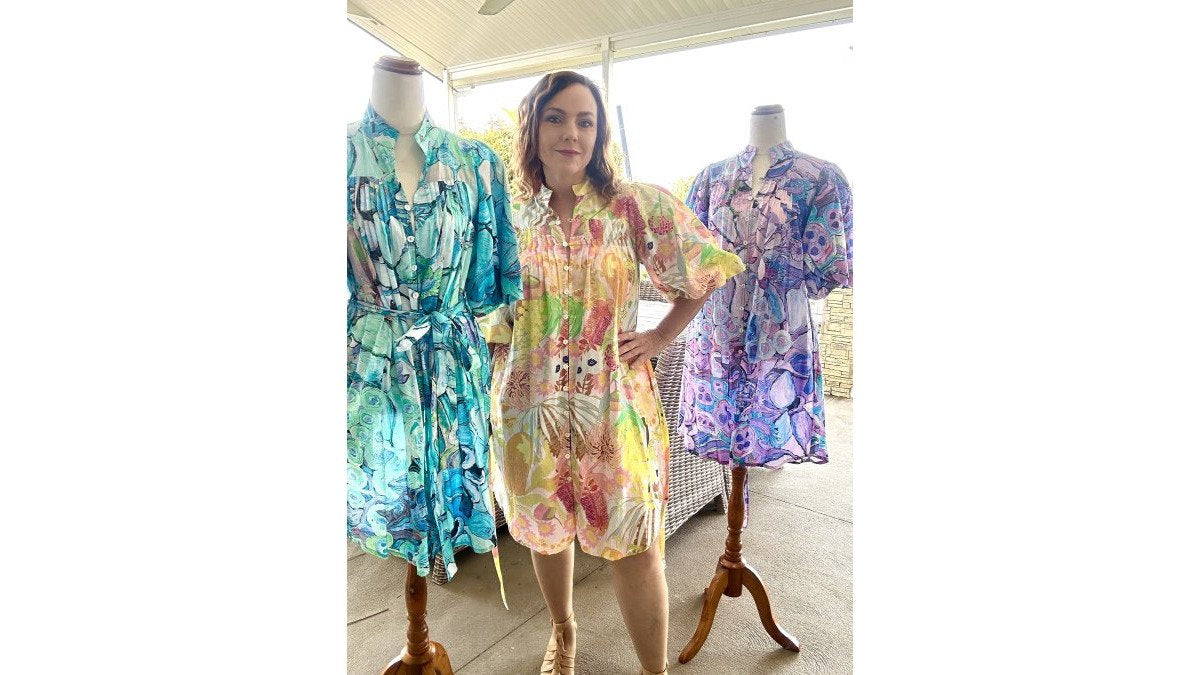
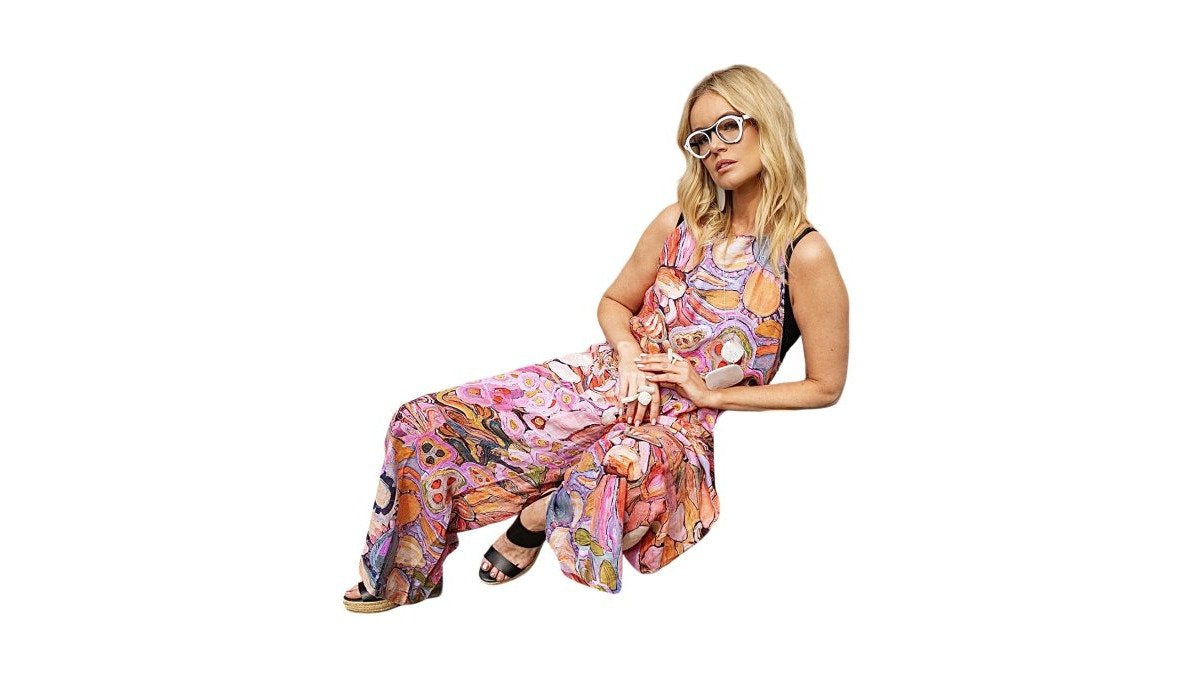
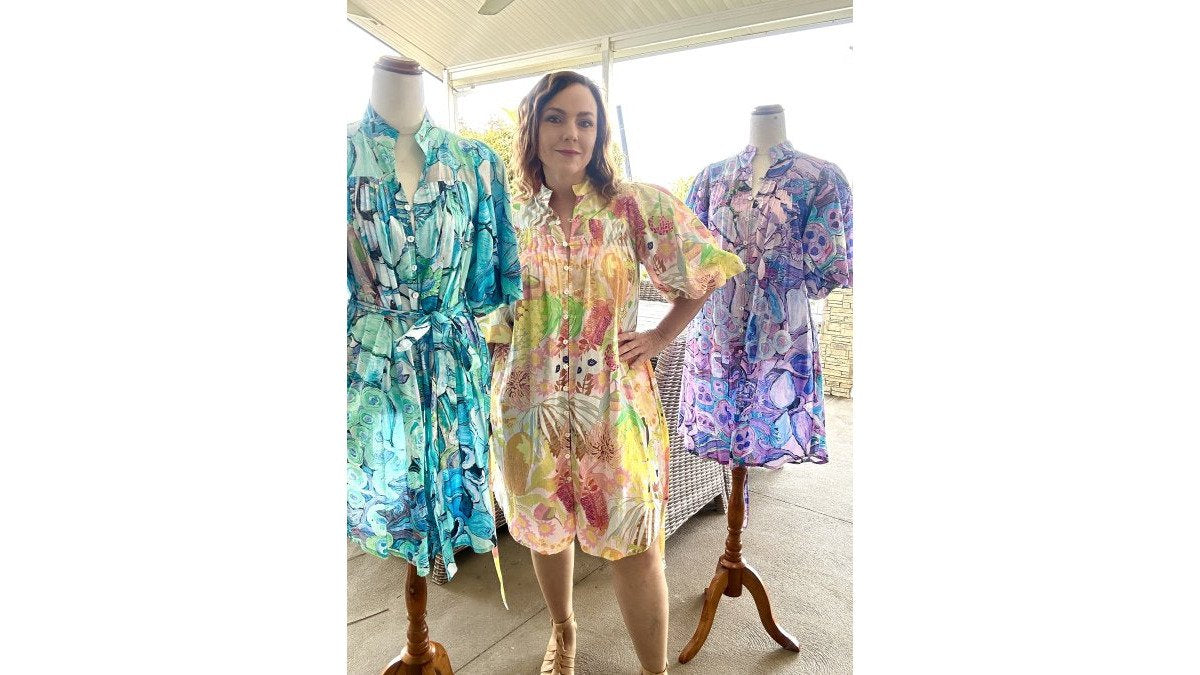
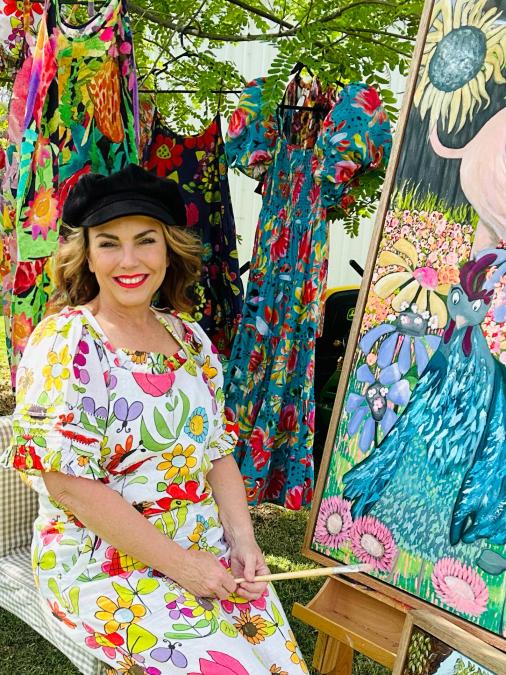
At Kerry Munns Artlife, each piece is designed from an original painting and made from fully sustainable fabrics. The range is built for slow fashion, so the aim is pieces you will wear for seasons rather than weeks.
The Unique Recycled Denim Jacket is a one-of-a-kind piece made from recycled denim and fabric designs created from Kerry's paintings. At $550.00 it is priced accordingly, and its edges are designed to fray over time.

The Long Kimono in Floral Coral is made from soft, breathable linen at $230.00 and comes in one size designed to fit XS-XXXXL. The Pure Woollen Embroidered Scarf in Bushfire Blush is priced at $134.00 and combines digitally printed cashmere wool with ethically hand-embroidered accents by skilled artisans in India.


When you choose between pieces, check the fibre content, the finishing and the care instructions.
Frequently Asked Questions
Are expensive clothes more durable than cheap clothes?
Not automatically. Price reflects brand positioning, labour costs and sometimes better materials, but durability depends mostly on fabric weight and fibre, stitching and seam construction, and how the garment is cared for. A well-made mid-priced piece can outlast a costly item with weak seams or thin fabric. When comparing, look at the construction details rather than the price tag alone.
Which fabrics last the longest?
Tightly woven cotton canvas, denim, linen and wool tend to hold up well to repeated wear, while lightweight sheer weaves and loosely knit fabrics wear through faster. Blends with a small amount of synthetic fibre can add strength and shape retention. Fabric weight and weave density usually matter more than whether a fibre is natural or synthetic.
How can you tell if a garment is well made?
Check that seams are straight, closely stitched and reinforced at stress points such as underarms, crotches and pocket corners. Look for finished inside edges rather than raw, fraying seams, and check that patterns line up at the seam. Pull gently on the fabric to see whether it springs back, and hold it to the light to spot thin areas. Buttons and zips should be firmly attached and easy to operate.
How should you care for clothes to make them last longer?
Wash less often and at lower temperatures, turn garments inside out, and use a gentle cycle with a laundry bag for delicate items. Avoid tumble drying where the care label allows, as heat causes shrinkage and fibre damage. Repair loose buttons and small tears early, before they spread, and store knitwear folded rather than hung.


Written by Kerry Munns