Is Unique Artisan Clothing Online Worth the Splurge?
Last Updated: November 1, 2026
Quick Summary
Unique artisan clothing online in Australia is worth the splurge because small-batch production allows makers to inspect every seam, use natural fibres and create one-off pieces that last. Divide the price by the wears you expect to reframe cost per wear, since a garment you reach for weekly costs less over time.
- Ask who made it, what it is made from and how many exist before buying.
- One-off sizing means hesitation usually costs you the garment.
- Compare stated measurements to a garment you own, not to size labels.
- Wash cool and inside out, skip the dryer and line dry in shade.
- The Reversible Quilted Jacket at $240 carries two original artworks.
Table of Contents
- What Makes Unique Artisan Clothing Online Different
- The Benefits of Buying One of a Kind Pieces
- Why Small-Batch Clothing Brands Beat Fast Fashion on Quality
- Wearable Art Clothing: Paintings You Can Actually Wear
- Sustainable Artisan Fashion: What the Evidence Should Show
- Comparing Price, Sizing, Materials and Lead Times
- Caring for Handmade Garments So They Last
- Shop Wearable Art and Find Your Own Statement Piece
- Frequently Asked Questions
What Makes Unique Artisan Clothing Online Different
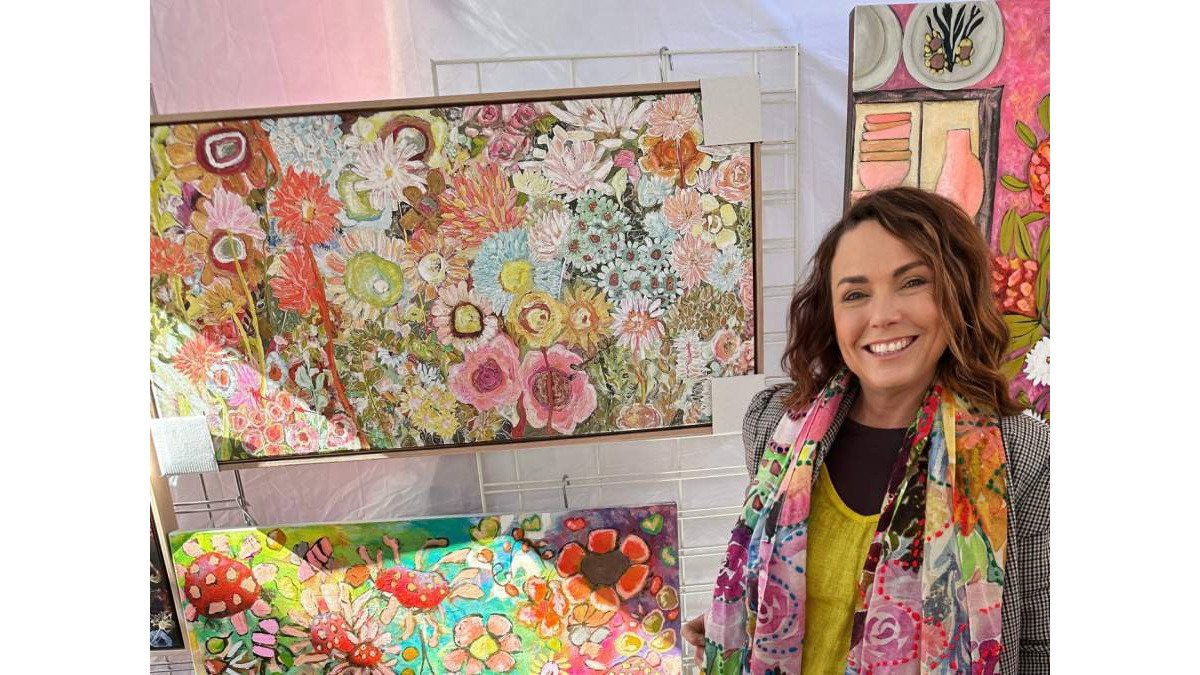
Unique artisan clothing online in Australia is not simply retail with a nicer story attached. It is a different production model: original artwork, small runs, natural fibres and making decisions that put longevity ahead of volume. At Kerry Munns Artlife, we turn original paintings into garments you can wear. You are not buying a print of a painting. You are wearing the painting.
Mass-produced fashion begins with a trend forecast and ends with thousands of identical units. Artisan fashion begins with a maker's design and ends with a limited number of pieces, often one.
The practical test is simple. Ask three questions before you buy:
- Who made it, and where? A named designer-maker beats an anonymous supply chain.
- What is it made from? Natural fibres such as linen, hemp and cotton behave differently from synthetics over time.
- How many exist? Small-batch or one-off production changes how you value and care for a garment.
Most guides skip that last question. It is the one that separates artisan clothing from clothing with an artisan aesthetic.
The Benefits of Buying One of a Kind Pieces
The benefits of buying one of a kind pieces are practical, not just romantic. A one-off garment removes the awkward moment of spotting your dress on someone else at the same event. It also changes how you shop: you buy less, choose more carefully, and keep pieces longer.
When a garment is genuinely yours, you stop treating it as disposable. You notice the stitching, the drape, the way the fabric moves, and you mend it instead of replacing it.
For anyone building a wardrobe around timeless pieces rather than seasonal turnover, this is the shift that matters. Our guide to the benefits of one-of-a-kind fashion sets out the full case if you want to think it through before committing.
Watch out: one-off sizing means you cannot "buy it later in your size." If a piece fits and you love it, hesitation usually costs you the garment.
Why Small-Batch Clothing Brands Beat Fast Fashion on Quality
Small-batch clothing brands beat fast fashion on quality for one structural reason: they cannot hide behind volume. A maker producing fifty units can inspect every seam. A factory producing fifty thousand cannot.
Smaller runs allow for natural fibres that cost more per metre, construction that takes longer per garment, and finishing details that only make sense when a person is checking the work. Fast fashion optimises for speed and price; small-batch production optimises for durability and craftsmanship.
In practice, this means you should look for evidence rather than adjectives. "High-quality fabrics" means nothing on a product page. A named fibre, a stated construction method and a visible maker mean something.
Durability also depends on you. Natural fibre clothing lasts when it is washed gently, dried sensibly and stored well. Buy well, care well, and the cost per wear falls sharply over a few years.
Wearable Art Clothing: Paintings You Can Actually Wear
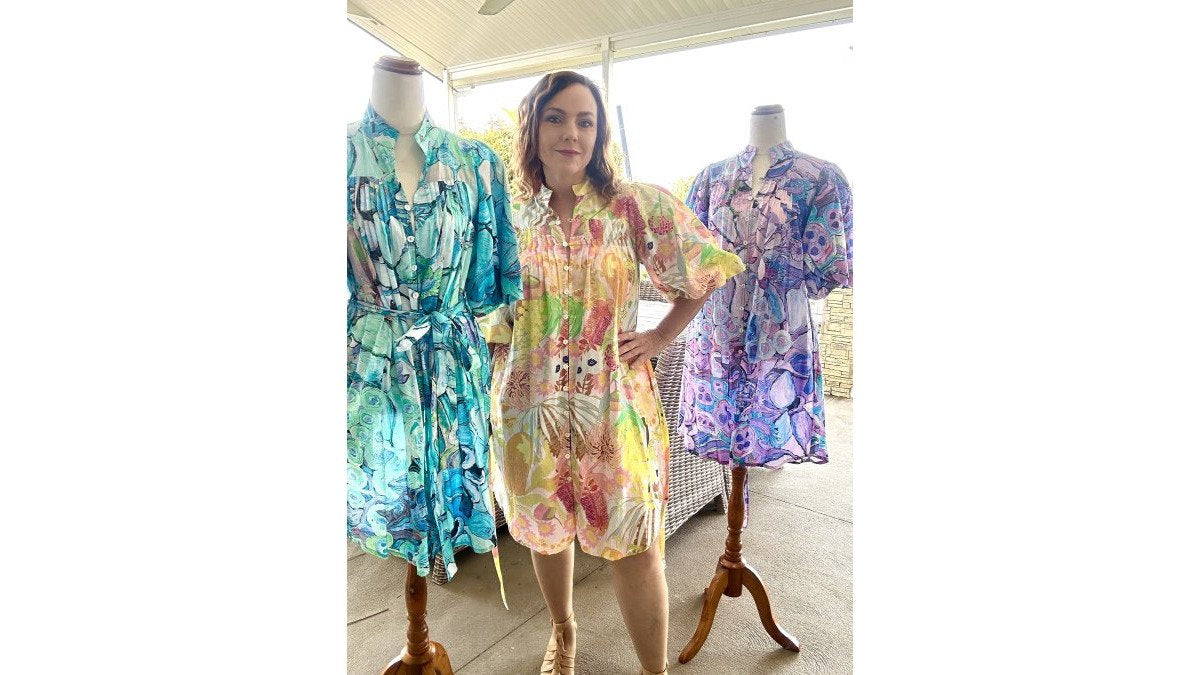
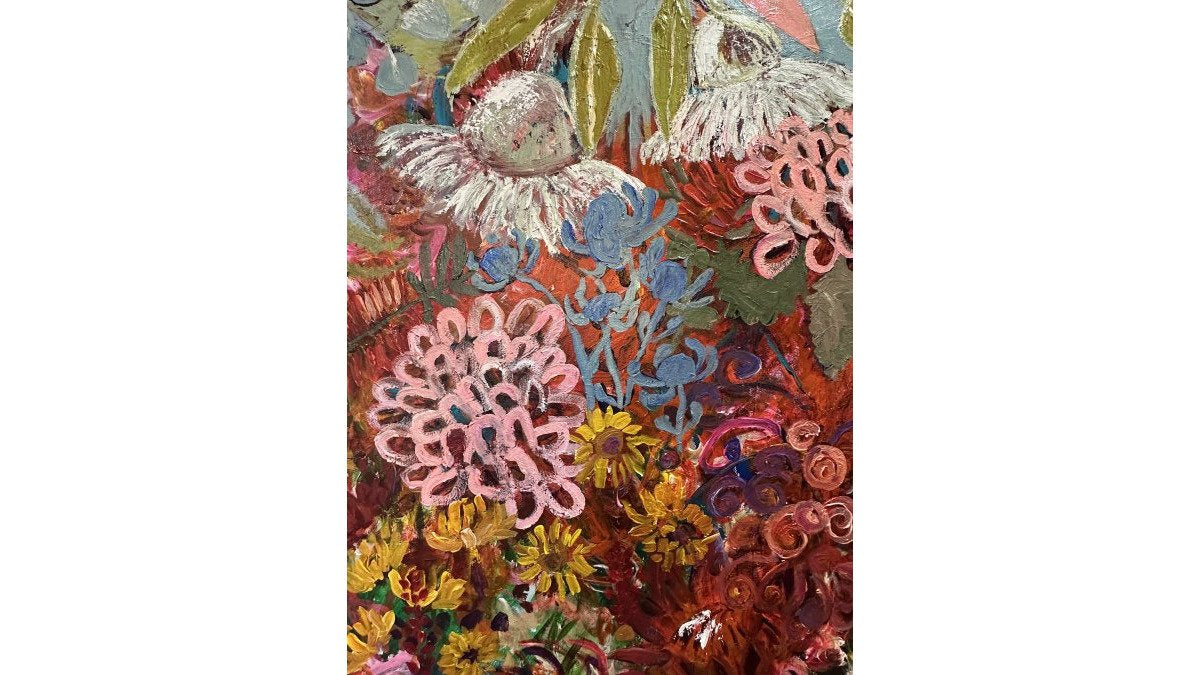
Wearable art clothing is garments made from original artwork, where the painting is the fabric design rather than a decoration applied afterwards. Kerry Munns Artlife builds each collection this way: a painting becomes a textile, and the textile becomes a garment.
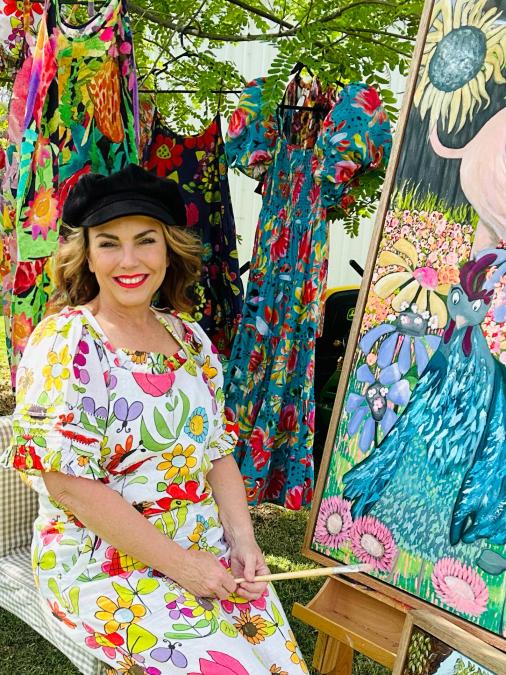
Wearable art is designed to read as sophisticated rather than costume-like, because the colour does the talking and the cut stays calm. A relaxed silhouette, a generous fit and deep pockets keep the piece wearable for everyday errands, markets and dinners.
Wearable art works when the shape is simple and the print is bold. Reverse that and it tips into novelty.
For a deeper look at why painted garments work as everyday dressing, read our guide on why to wear original painted clothing.
Sustainable Artisan Fashion: What the Evidence Should Show
Sustainable artisan fashion should be judged on evidence, not vocabulary. Every brand now claims sustainability. Very few show you the fibre, the maker or the production method behind the claim. The useful question is not "is this brand sustainable?" but "what can this brand prove about this garment?"
Here is how we would assess any label, including our own:
| What to check | Weak signal | Strong signal |
|---|---|---|
| Fibre content | "Eco fabric" with no detail | Named fibre: linen, hemp, cotton, wool |
| Production | "Ethically made" only | Named country and maker relationship |
| Longevity | Trend-led, high turnover | Timeless cuts, repair-friendly construction |
| Quantity | Constant new drops | Small-batch or one-off runs |
| Care guidance | None provided | Specific washing and storage advice |
How to verify a claim in practice. Start with the fibre. A named fibre with a stated percentage is verifiable; "eco fabric" is not. Next, look for a named maker or production location. "Made ethically" is a conclusion; "cut and sewn in a named studio by a named maker" is evidence.
The trade-offs nobody mentions. Natural fibres are not automatically low-impact. An honest label will acknowledge these trade-offs rather than claim a perfect garment.
Unique Recycled Denim Jacket →
Questions worth asking a maker. Where was the fibre grown or produced? Who cut and sewed the garment, and where? How many of this piece were made? What do you recommend for repairs? A maker who can answer these quickly is giving you evidence. A maker who cannot is giving you adjectives.
Our collections are made from fully sustainable fabrics, ethically made, and sit within a slow fashion promise.
Comparing Price, Sizing, Materials and Lead Times
Price, sizing, materials and lead times are where artisan clothing most often surprises first-time buyers. The number on the tag is higher, but the reasons behind it are usually visible once you know how to read a product page properly.
Most retailer pages list a price and a size range and stop there. That is not enough to make a confident purchase.
| Piece | Price | Material | Sizing | Lead time |
|---|---|---|---|---|
| Amber Dress in Perfectly Turquoise | $145 | 100% sustainable cotton | Relaxed fit | Ready made |
| Matilda Pinafore Dress | $185 | Cotton with original artwork | Generous one size | Ready made |
| Reversible Quilted Jacket | $240 | Quilted cotton | S-XL, sized by bust | Ready made |
| Long Kimono in Floral Coral | $230 | 100% linen | One size, XS-XXXXL | Ready made |
| Unique Recycled Denim Jacket | $550 | Recycled cotton denim | Extra Small, one only | Ready made |
Two things stand out. First, the price ladder tracks construction and material, not marketing. Second, sizing is deliberately forgiving.
How to compare sizing across labels. Do not compare size labels; compare measurements. A "one size" garment from one maker may fit a 90 cm bust; from another, 110 cm.
How to compare materials. A named fibre tells you how the garment will behave.
How to compare price honestly. Divide the price by the number of wears you expect to get a rough cost per wear.
If the price gap still feels steep, our explanation of why ethical fashion costs more walks through where the money actually goes.
Caring for Handmade Garments So They Last
Handmade garments last when care matches construction. Natural fibres and original prints reward gentle handling, and gentle handling is not complicated.
- Wash cool and inside out. Heat is the main enemy of colour and fibre.
- Skip the dryer. Line dry in shade to protect the print.
- Use a mild detergent. Harsh agents strip natural fibres over time.
- Store folded, not hung, for heavy quilted or knitted pieces.
- Treat marks early. A prompt cold rinse beats a vigorous scrub later.
Our complete guide to caring for artistic prints covers fibre-specific detail, including linen, cotton and wool.
Where a piece is reversible, check both faces before washing and use a mesh bag for anything with buttons or embroidery. Small habits protect the details that make the garment worth owning.
Shop Wearable Art and Find Your Own Statement Piece
The real question is not whether artisan clothing costs more, but whether the piece earns its place in your wardrobe. A garment you reach for weekly that still looks right in three years costs less per wear than three forgettable tops.
Our collections are built for exactly that: bold colour, comfortable cuts and original artwork, made in small runs from sustainable fabrics.
Some pieces to start with:
- Reversible Quilted Jacket in Spring Fling Peach, $240. Two original paintings in one garment, with pockets on both sides.
- Matilda Pinafore Dress in Wildflower Navy, $185. A generous one-size fit that layers across seasons.
- Amber Dress in Perfectly Turquoise, $145. Soft cotton, puff sleeves and a matching belt.
- Long Kimono in Floral Coral, $230. Breathable linen, one size fitting XS to XXXXL.
- Unique Recycled Denim Jacket, $550. A one-off piece in recycled cotton, with only one available.
Browse the full range and find the artwork that feels like you.

Frequently Asked Questions
What makes clothing artisan-made?
Artisan clothing is made by a person, not a production line. Look for a named designer-maker, hand-finished details such as hand embroidery or hand-sewn trims, and artwork that starts with an original painting rather than a bought stock print. Small runs, made-to-order pieces and one-off garments are also strong signals. Ask the label who made the piece and where, and whether the fabric is a natural fibre such as cotton, linen or wool. A maker who can answer those questions plainly is usually the real thing.
Is artisan clothing worth the investment?
It depends on how often you will wear it. Spread the price of a garment over the number of times you expect to wear it. Unique artisan clothing online also holds value differently: a one-off recycled denim jacket at $550 is the only one of its kind, so you are not competing with thousands of identical garments. Factor in natural fibres that breathe, seams that can be repaired, and designs that do not date.
How can I tell whether clothing is ethically made?
Ask for specifics rather than slogans. Useful evidence includes the name of the workshop or production partner, the country of manufacture, fibre content stated on the label, and whether pieces are made to order rather than overproduced. Kerry Munns Artlife, for example, states that its collections are ethically made in India. Vague claims like eco-friendly without a named supplier are the ones to question.
How do I care for printed or wearable art clothing?
Turn the garment inside out and wash gently. Heat is what fades prints and shrinks natural fibres, so avoid high heat.
What sizing should I expect when ordering handmade clothing online?
Many artisan labels use one-size or generous cuts rather than standard 8 to 18 sizing. Check the actual measurements in centimetres on each product page, not just the size label. Check the measurements listed on each product page, such as the Kristie Tunic's stated chest and hip ranges. Measure a garment you already own and love, then compare those numbers to the listing before you commit.
The challenge with artisan clothing is not finding something beautiful. It is choosing well enough that you actually wear it. Kerry Munns Artlife makes that easier with original artwork printed on fully sustainable fabrics, ethically made collections, and a slow fashion promise behind every piece. Get started with Kerry Munns Artlife and build a wardrobe where every garment is one you chose on purpose.


Written by Kerry Munns