Sustainable Fabric Durability Guide 2026
Table of Contents
- What Makes Sustainable Fabrics Durable
- The Most Durable Sustainable Fabrics for Everyday Wear
- Organic Cotton Durability: Fibre Quality and Longevity
- How to Make Clothes Last Longer: Care and Maintenance
- Measuring Durability: Fabric Durability Testing Methods
- Cost-Per-Wear: Why Premium Sustainable Pieces Justify Investment
- Identifying High-Quality Sustainable Materials
- Frequently Asked Questions
Last Updated: October 7, 2026
What Makes Sustainable Fabrics Durable
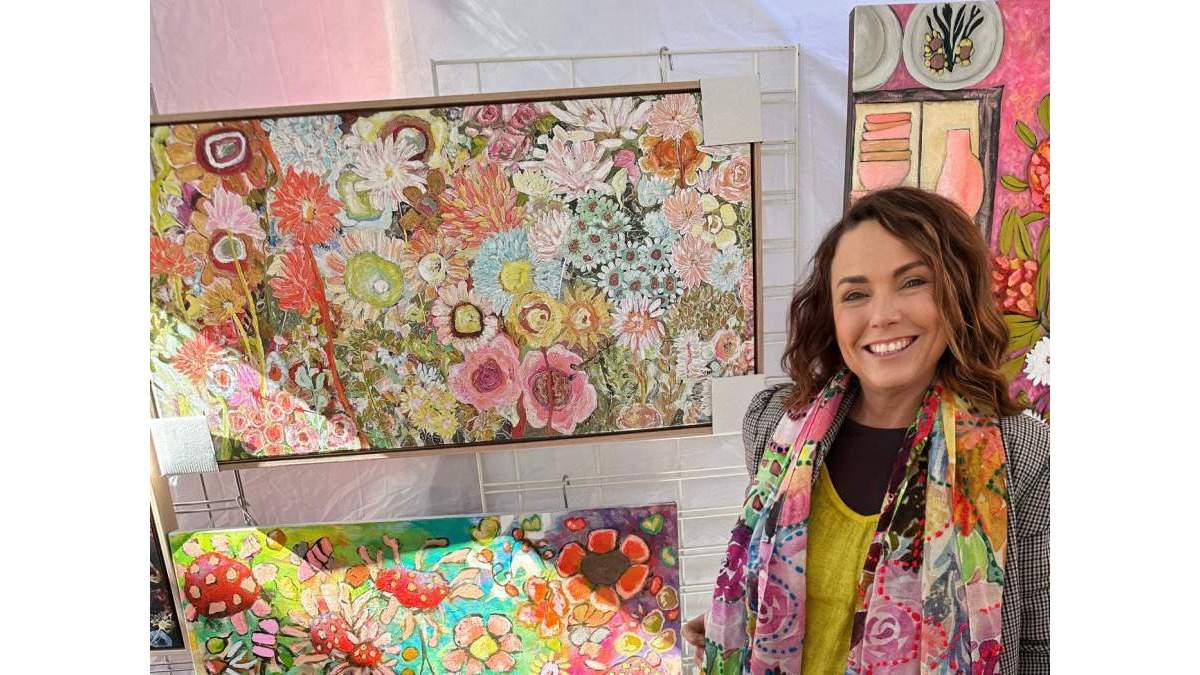
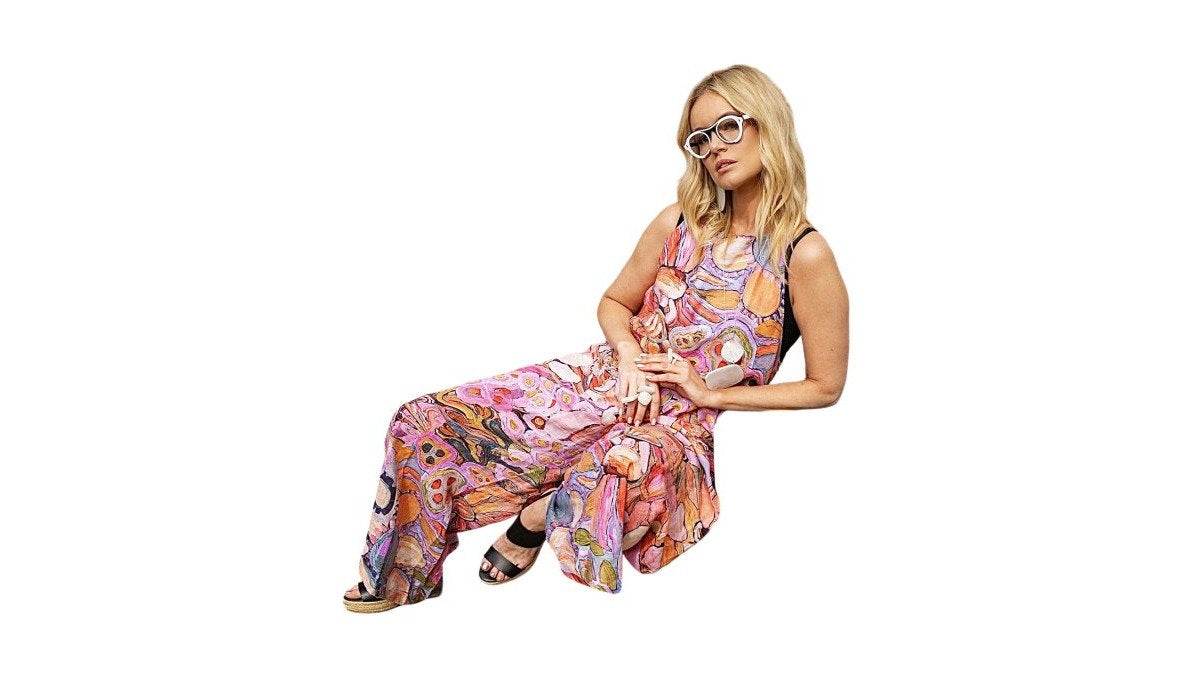
Sustainable fabric durability isn't marketing spin; it's fibre integrity, construction quality, and real-world performance. At Kerry Munns Artlife, our collection is built on this principle: wearable art made from genuinely durable sustainable materials.
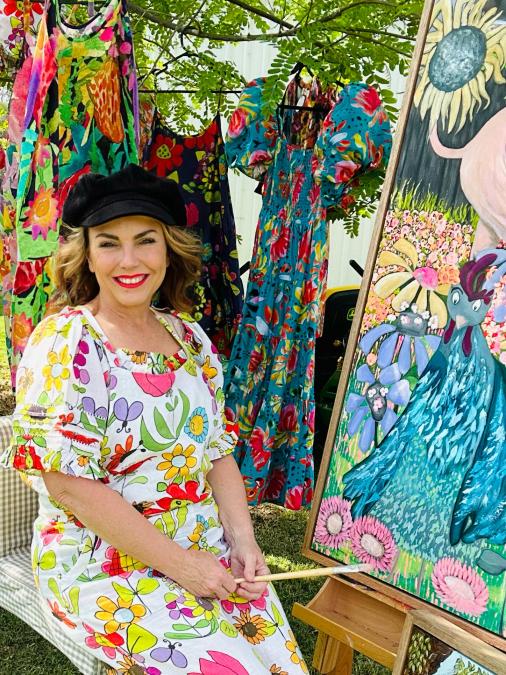
Sustainable fabric durability comes down to three factors: the raw material and fibre strength, the yarn construction and weave that hold fibres together under stress, and the finishing processes that either preserve or degrade fibre integrity.
Durability and sustainability aren't opposing forces. The most sustainable choice is the garment you wear for years, not the one that falls apart in months.
The Most Durable Sustainable Fabrics for Everyday Wear
Organic Cotton Durability and Longevity
Organic cotton offers genuine durability when grown and processed correctly. Unlike conventional cotton, where harsh chemical treatments weaken fibres, organic cotton retains its natural fibre strength and holds up through repeated washing and wearing.
The key variable is staple length. Longer staple cotton creates stronger yarn and more durable fabric.
Kerry Munns Artlife uses organic cotton in pieces like the Abby Dress in Splatters Matters on Blush ($189.00), which features 100% sustainable cotton construction.

Linen and Hemp: Natural Fibres Built to Last
Linen is one of the strongest natural fibres available. Its tensile strength increases when wet, making it resistant to washing damage, and it softens with age while maintaining structural integrity. A linen piece can last 20+ years with basic care.
Hemp offers similar durability with different properties: its fibres are naturally antimicrobial and UV-resistant, ideal for pieces worn outdoors. Hemp blended with organic cotton combines linen's longevity with cotton's comfort.
The Tania Tunic in Wildflower Power on Blush ($125.00) demonstrates linen's durability advantage.
Recycled Polyester and Synthetic Sustainability
Recycled polyester (rPET) has a different durability profile than natural fibres. It's made by mechanically breaking down existing polyester, usually plastic bottles or textile waste, into new yarn.
Its advantage is consistency: each batch is quality-tested, so you know what you're getting.
The trade-off is microplastic shedding: synthetic fabrics release microfibres into waterways during washing, and unlike natural fibres, they persist in the environment.
Organic Cotton Durability: Fibre Quality and Longevity
The journey from seed to finished garment determines whether organic cotton will actually last. Organic certification ensures no synthetic pesticides or fertilisers, but it doesn't guarantee durability; the processing method matters enormously.
Low-impact dyes and water-based finishes preserve fibre structure, while harsh bleaching, heavy chemical finishing, and aggressive mechanical processing weaken organic cotton.
Garment construction amplifies this. A well-constructed organic cotton piece uses appropriate seam techniques, reinforced stress points, and designs that distribute wear evenly, while cheap construction undermines even premium fibres. Kerry Munns Artlife combines quality organic cotton with meticulous, handmade construction.
How to Make Clothes Last Longer: Care and Maintenance
Proper care extends the life of any sustainable fabric dramatically. Most damage occurs during washing, not wearing. Aggressive washing breaks down fibres, causes pilling, and fades colour.
Handwashing is the gold standard for longevity. Use cool water (below 30°C), gentle detergent, and minimal agitation.
Machine washing requires caution. Use cold water, a gentle cycle, and a mesh laundry bag. Wash inside-out to protect printed designs.
Storage matters. Fold rather than hang natural-fibre pieces, as hanging stretches them over time.
Repair promptly. A small hole or loose seam becomes a major tear with continued wear.
| Care Method | | --- | --- | --- | | Handwashing | Every 2-3 wears | +60% lifespan | | Machine wash, gentle cycle | Every 4-5 wears | +30% lifespan | | Machine wash, standard cycle | Every 2-3 wears | -40% lifespan | | Air-drying | Every wash | +50% vs. heat drying | | Immediate repairs | As needed | +40% lifespan |
Measuring Durability: Fabric Durability Testing Methods
Most guides tell you to look for "durable" fabric and stop there. That's useless advice: durability isn't a feeling, it's a set of measurable properties tested against published standards. Understanding what the numbers mean lets you judge a garment before you buy it.
Abrasion resistance: the Martindale test
The Martindale test is the workhorse of durability testing. A circular fabric specimen is rubbed against a standard abrasive surface under fixed pressure, tracing a looping figure-eight path that rubs in constantly changing directions rather than along a single grain.
Higher numbers mean better abrasion resistance. Upholstery-grade wovens commonly reach tens of thousands of rubs, while lighter apparel fabrics are tested to lower thresholds because they face less friction. The pass mark depends on end use, so a single "Martindale score" is meaningless without knowing what the fabric is for.
Tensile and tear strength
Tensile strength measures the force required to pull a fabric apart. Tear strength measures how much force is needed to propagate a tear already started, and it matters more for real-world durability because most garment failures begin with a small snag that rips.
Both are measured on standardised strip specimens under controlled humidity and temperature, since natural fibres absorb moisture and their strength changes with it.
Unique Recycled Denim Jacket →
Pilling resistance
Pilling is the formation of small fibre balls on a fabric's surface, caused by loose fibres working free, tangling, and anchoring back into the cloth. It's tested by tumbling samples in an abrasive-lined rotating chamber, then comparing the surface against photographic standards. A fabric that resists pilling keeps its appearance far longer than one that pills early, even if both are equally strong.
Fibre length is the main lever here. Long-staple fibres have fewer loose ends to work free, which is why long-staple cotton and quality linen pill less than short-staple alternatives.
Colour fastness
Colour fastness is tested by exposing dyed fabric to washing, light, perspiration, and rubbing (wet and dry), then grading results on standard grey scales from 1 (severe change) to 5 (negligible change). A garment with poor wash fastness looks tired long before its fibres fail, and appearance, not structural failure, usually sends a garment to the back of the wardrobe.
Dimensional stability
Dimensional stability measures how much a fabric shrinks or stretches after washing and drying, expressed as a percentage change in length and width. A fabric that shrinks significantly on first wash may no longer fit, however strong it is. Good manufacturing controls this through pre-shrinking or careful finishing, a hidden marker separating garments that survive fifty washes from those that don't.
Why you rarely see these numbers
Most apparel brands don't publish test results, partly because they aren't required to and partly because the numbers invite comparison they'd rather avoid. That's the transparency gap in sustainable fashion. When a maker can tell you the fibre, weave, finishing process, and construction, that specificity is itself a durability signal. Vague claims like "built to last" carry no information because they aren't tied to any measurement.
What this means when you shop
You'll rarely get a Martindale number from a small maker, and you don't need one. What you need is enough specificity to reason about durability: a named fibre, a known staple length or weave, a described finishing method, and visible construction quality. Those four things predict longevity better than any badge or marketing phrase.
Cost-Per-Wear: Why Premium Sustainable Pieces Justify Investment
The real measure of value isn't the price tag, it's cost-per-wear. A $189 dress worn 100 times costs $1.89 per wear.
Calculate it yourself: divide the purchase price by the number of times you'll realistically wear it.
Kerry Munns Artlife pieces like the Unique Recycled Denim Jacket ($550.00) illustrate this.

Environmental cost-per-wear matters too. A garment worn 100 times spreads its manufacturing impact (water, carbon, chemicals) across 100 wears; one worn 10 times concentrates it on far fewer.
Identifying High-Quality Sustainable Materials
When shopping for sustainable pieces, look for specific signals of genuine quality and durability.
Fibre content transparency. Quality brands list exact fibre percentages: "100% organic cotton" is clear, "made with sustainable materials" is vague marketing.
Certification marks. Look for GOTS (Global Organic Textile Standard) for organic fibres or OEKO-TEX for low-chemical processing.
Construction details. Examine seams, hems, and stress points.
Weight and density. Quality sustainable fabrics feel substantial, not flimsy.
Maker transparency. Reputable brands explain their sourcing, manufacturing, and quality standards.
Price consistency. Sustainable pieces cost more because quality materials and ethical production cost more.
Choosing durable sustainable fabrics is an investment in pieces you'll wear for years, and the upfront premium becomes negligible across a garment's lifespan. At Kerry Munns Artlife, we build every piece, from the Abby Dress in Floral Coral ($189.00) to the handcrafted Maggie Handbag in Tweedledee at Midnight ($149.00), on this principle.

Frequently Asked Questions
Which sustainable fabrics are the most durable for everyday clothing?
Organic linen, hemp blends, and high-quality organic cotton rank among the most durable sustainable fabrics. Linen actually strengthens when wet and can last for many years with proper care. Recycled polyester offers synthetic durability comparable to virgin polyester but with lower environmental impact. The key is fibre integrity: longer staple fibres resist pilling and abrasion better than short fibres, regardless of whether the material is natural or recycled.
Is organic cotton durable enough for clothes I wear frequently?
Yes, when grown and processed to high standards. Organic cotton durability depends on staple length and thread count. Long-staple organic cotton (like Pima) outperforms standard varieties in tensile strength and pilling resistance. GOTS-certified organic cotton ensures both environmental standards and quality control. For frequent-wear pieces, look for fabrics with higher thread counts (200+) and tight weaves, which resist mechanical stress better than lightweight constructions.
How can I tell if a sustainable fabric will actually last?
Check for textile certifications (GOTS, OEKO-TEX), staple fibre length, thread count, and weave tightness. Request fabric care instructions and ask about abrasion resistance testing. Reputable makers like Kerry Munns Artlife provide transparent sourcing and construction details. Look for pieces with reinforced seams, quality stitching, and durable hardware. Cost-per-wear matters: a $189 dress worn 100 times costs $1.89 per wear; a $50 dress worn 10 times costs $5 per wear.
What's the difference between recycled polyester and natural sustainable fabrics in terms of durability?
Recycled polyester (rPET) matches virgin polyester's tensile strength and abrasion resistance, making it ideal for high-stress garments. Natural fibres like organic cotton and linen offer breathability and comfort but may pill more easily without proper care. Neither is inherently superior; choice depends on garment function. Recycled polyester sheds microplastics with washing, while natural fibres biodegrade. For wearable art pieces prioritising longevity and comfort, organic cotton and linen typically outperform synthetics.
How should I wash sustainable fabrics to prevent premature wear?
Wash in cool water (30°C or below) using gentle cycles and mild, plant-based detergents. Turn garments inside out to reduce pilling and colour fading. Air-dry whenever possible; heat accelerates fibre breakdown. Avoid fabric softeners, which coat fibres and reduce breathability. For delicate pieces like the Abby Dress in Splatters Matters on Blush, hand-washing extends garment lifespan significantly. Proper care can extend the life of sustainable clothing.
Why do sustainable pieces cost more if they're supposed to last longer?
Premium sustainable fabrics use longer-staple fibres, higher thread counts, and certified ethical production, all of which cost more than conventional alternatives. Handmade pieces like the Unique Recycled Denim Jacket require skilled labour and original design work. The cost reflects supply chain transparency, smaller production runs, and genuine durability. Calculated over the garment's lifespan, cost-per-wear can be a better indicator of value despite higher upfront prices.
What's the difference between recycled polyester and natural sustainable fabrics in terms of durability?
Recycled polyester (rPET) matches virgin polyester's tensile strength and abrasion resistance, making it ideal for high-stress garments. Natural fibres like organic cotton and linen offer breathability and comfort but may pill more easily without proper care. Neither is inherently superior; choice depends on garment function. Recycled polyester sheds microplastics with washing, while natural fibres biodegrade. For wearable art pieces prioritising longevity and comfort, organic cotton and linen typically outperform synthetics.
What certifications should I look for when buying sustainable fabrics?
GOTS (Global Organic Textile Standard) certifies organic fibre and ethical production. OEKO-TEX ensures low chemical residues. Fair Trade certification verifies worker conditions. Look for supply chain transparency and third-party verification rather than unsubstantiated 'eco-friendly' claims. Kerry Munns Artlife's commitment to ethically made pieces in sustainable fabrics reflects these standards. Certifications provide assurance that durability claims align with genuine environmental and social responsibility.

Written by Kerry Munns