Benefits of Sustainable Slow Fashion
Table of Contents
- What Sustainable Slow Fashion Actually Means
- Slow Fashion vs Fast Fashion Impact
- Environmental Benefits: Reducing Waste, Water, and Emissions
- Ethical and Social Benefits: Fair Labour and Transparency
- Personal Benefits: Quality, Durability, and Cost per Wear
- How to Build a Sustainable Wardrobe
- Finding Sustainable Fashion Labels That Deliver
- Addressing Affordability and Trade-offs
- Frequently Asked Questions
Last Updated: October 9, 2026
What Sustainable Slow Fashion Actually Means
Sustainable slow fashion means buying fewer, higher-quality garments made with ethical labour and responsible materials, the opposite of fast fashion's throwaway cycle of weekly trends and clothing built to fall apart.
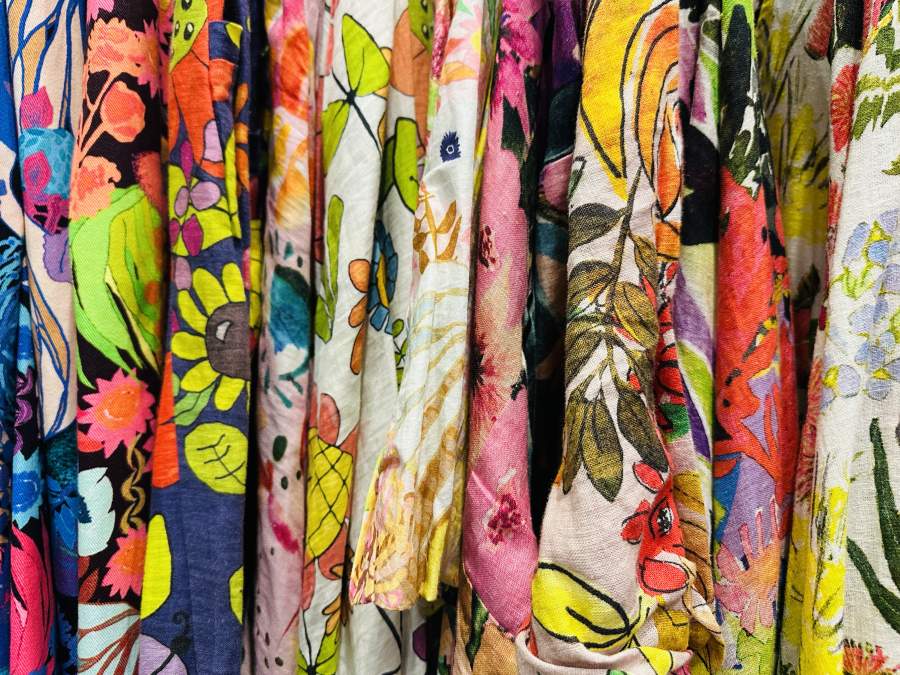
At Kerry Munns Artlife, we believe slow fashion is a statement about what you value. Choosing pieces made from sustainable fabrics and produced ethically means investing in garments that last years, not seasons.

The core principle: buy less, choose well, make it last. Prioritise quality, know where your clothes come from, and build a wardrobe around pieces you'll wear repeatedly rather than chasing new trends.
Slow Fashion vs Fast Fashion Impact
The contrast between slow fashion and fast fashion is stark when you examine the environmental and social costs.
Fast fashion runs on speed and volume: weekly collections, cheap labour, and low-cost materials designed to degrade.
Slow fashion reverses this: responsible production, fair working conditions, and materials chosen for durability rather than cost. Such brands produce smaller quantities, invest in quality construction, and stay transparent about their supply chain, fewer garments overall, but each lasts longer and performs better.
The practical difference: a $15 fast fashion item lasting three months versus a $150 slow fashion piece lasting five years. Cost per wear favours the sustainable option, before even counting environmental and social impact.
Environmental Benefits: Reducing Waste, Water, and Emissions
Choosing sustainable slow fashion delivers environmental advantages that can be described in comparable terms rather than vague claims. The figures below are widely cited industry estimates; treat them as indicative ranges, not precise measurements, because methodology, fibre type, and supply chain vary enormously between studies.
Lower textile waste and landfill impact
The fashion industry generates enormous textile waste. Buying fewer garments and keeping them longer directly reduces what ends up in landfill. Slow fashion pieces are built for longevity.
A dress worn five years creates far less waste per year of use than one worn six months.
If the average garment is worn roughly a third as many times as it could be, tripling the active wear period cuts waste per wear by around two-thirds.
Reduced water use and water pollution
Conventional textile production is water-intensive: dyeing and treating fabrics uses large volumes of water that often returns to rivers carrying chemical residues.
Producing conventional cotton can require thousands of litres of water per kilogram, while organic cotton typically uses less by avoiding synthetic fertilisers and pesticides and relying more on rainfall. Recycled fibres cut water demand further by skipping agriculture entirely.
Sustainable slow fashion brands typically use organic fabrics, recycled materials, or other lower-impact fibres requiring less processing, which reduces water pollution and conserves resources, provided the rest of the supply chain is managed responsibly too.
Decreased carbon emissions and ecological footprint
Every garment carries a carbon footprint from manufacturing, transport, and disposal. Slow fashion cuts it two ways: fewer purchases mean less production and shipping, and longer-lasting garments spread their initial carbon cost across years of wear.
Industry estimates attribute most of a garment's emissions to raw-material and production stages, with transport a smaller slice, so fibre choice and longevity usually matter more than shipping distance. Brands committed to sustainable slow fashion often produce locally or regionally and some use renewable energy, adding up to a significantly lower ecological footprint than fast fashion's constant production and disposal.
Where these claims get complicated
Honesty matters: a 'sustainable' label doesn't automatically mean low impact. Organic cotton still needs land and water; recycled polyester still sheds microplastics. A lower-impact garment worn twice can be worse than a conventional one worn for a decade. The environmental case rests on lower-impact materials, durable construction, and, most importantly, actually wearing what you own as long as possible.
A practical way to compare
You don't need a life-cycle assessment to choose better. Rank your options:
- Wear what you already own more often and for longer.
- Repair, alter, or restyle before replacing.
- Buy secondhand or rent for occasional wear.
- Buy new only when the first three are exhausted, prioritising durable, lower-impact materials.
This captures most of the available environmental benefit without perfect information about every fibre and factory.
Ethical and Social Benefits: Fair Labour and Transparency
Beyond environmental impact, sustainable slow fashion addresses human dignity in production.
Fast fashion relies on cost-cutting: low wages, long hours, and unsafe conditions for garment workers, with minimal supply chain transparency, consumers rarely know where their clothes come from or how they were made.
Choosing slow fashion supports brands that take accountability seriously, many of which publish information about their makers, production locations, and labour practices, the difference between vague promises and verifiable commitment.
Personal Benefits: Quality, Durability, and Cost per Wear
The case for slow fashion becomes personal when you consider what you actually gain.
Quality garments feel better against your skin, fit better thanks to precise construction, hold their colour after dozens of washes, and keep their seams intact. These aren't luxury features, they're the natural result of prioritising durability over volume.
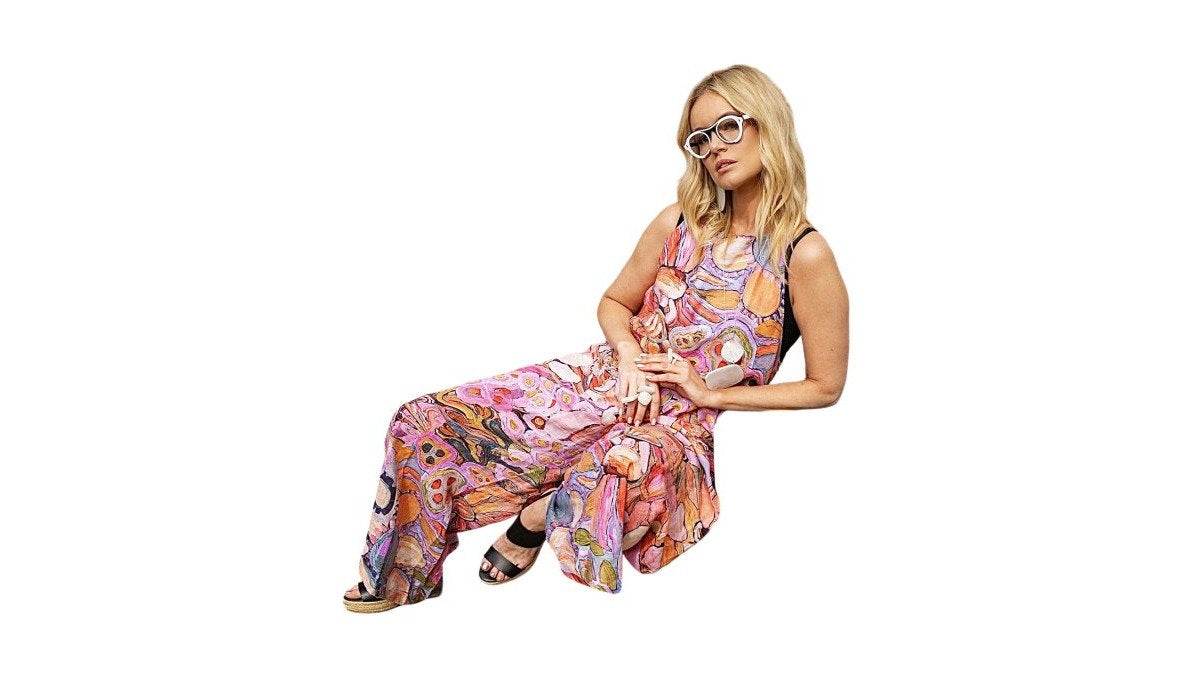
Abby Dress in Splatters Matters on Blush →
There's a psychological benefit too: owning fewer, higher-quality pieces makes you appreciate them more, style them creatively, and develop a genuine relationship with your wardrobe.
How to Build a Sustainable Wardrobe
Starting a sustainable slow fashion wardrobe doesn't require replacing everything at once.
Begin by assessing what you already own and wearing it more intentionally. Hand washing, air drying, and proper storage extend life significantly, and repairing items rather than discarding them reduces the need for new purchases immediately.
When you do buy new, choose intentionally: neutral colours and timeless styles that won't date in a season, quality over quantity, natural fabrics like organic cotton, linen, or silk that age well, and pieces that combine with what you already own.
Build around a colour palette. This constraint forces thoughtful choices and ensures everything coordinates. Most people find that 20-30 carefully chosen pieces create more outfit combinations than 100 random items.
Finding Sustainable Fashion Labels That Deliver
Not every brand claiming sustainability actually delivers. Look for concrete indicators of genuine commitment.
Transparency matters most.
Check for certifications from recognised bodies, organic cotton certification, fair trade credentials, environmental standards.
Examine material choices: does the brand use organic fabrics, recycled materials, or other lower-impact options, and is it transparent about why? Good brands explain their reasoning.
Consider production scale. Smaller brands that produce in limited runs often maintain tighter control over quality and labour practices. They know their makers personally.
Kerry Munns Artlife exemplifies this approach. Each piece is crafted from fully sustainable fabrics, organic cotton, linen, and silk, designed to last years.
Addressing Affordability and Trade-offs
The honest conversation: sustainable slow fashion costs more upfront. Quality materials, ethical labour, and careful construction add cost, a sustainable dress might sit in the $165-$240 range versus $30-$50 for fast fashion equivalents. That gap is real and matters for limited budgets; pretending otherwise undermines trust.
The cost-per-wear calculation, done properly
The trade-off is longevity and per-wear cost: a $165 dress worn 200 times costs about 83 cents per wear, while a $40 dress worn 10 times costs $4. Slow fashion becomes more economical over time, but only if you actually wear the item repeatedly.
A realistic rule: estimate how many times you'll genuinely wear a piece in the next two years, divide the price by that number, and compare it to your current cost per wear on similar items. If it still feels high, it's probably not the right purchase yet.
Budget strategies that actually work
For those building a sustainable wardrobe on a budget, start small and sequence your spending:
- Buy one or two quality pieces per season rather than many cheap items. Focus on versatile basics that coordinate with what you already own.
- Shop secondhand first. Resale platforms and op shops frequently carry well-made garments at a fraction of retail. This reduces cost while still keeping clothing in use.
- Rent for occasional wear. Wedding guest outfits, formal events, and one-off occasions are poor candidates for ownership. Rental gives you access to quality without the full price.
- Wait for end-of-season sales on pieces you have already identified as gaps in your wardrobe, rather than browsing sales for bargains.
- Repair and alter. A tailor can resize, rehem, or restyle an existing garment for far less than a replacement.
Sizing, access, and the availability problem
Affordability isn't only about price. Slow fashion brands often run limited size ranges, produce small batches that sell out quickly, and may not ship widely, a genuine access barrier, not a personal failing.
Practical responses: check size charts carefully before ordering, look for made-to-measure or alteration services, and use resale platforms where discontinued sizes reappear. If a brand doesn't stock your size, that's useful information about whether it deserves your money.
How to verify claims without a research degree
Not every brand claiming sustainability delivers. Look for concrete indicators, not adjectives.
- Transparency: Brands that publish information about their producers, materials, and labour practices are putting their reputation on the line. Vague claims about 'ethical production' or 'sustainable practices' without specifics often signal greenwashing.
- Certifications: Independent certifications, such as organic fibre standards, fair trade credentials, and environmental management standards, provide third-party verification. These cost money and require compliance, so brands that hold them are making real commitments. Check that the certification applies to the specific product, not just the parent company.
- Material specifics: Does the brand name the fibre, its origin, and why it was chosen? 'Natural' is not the same as 'lower impact', conventional cotton is natural but water-intensive, and some semi-synthetic fibres derived from wood pulp involve heavy chemical processing.
- Supply chain detail: Named factories, published audits, and long-term supplier relationships suggest accountability. A single vague sentence about 'our partners overseas' does not.
- Greenwashing warning signs: Carbon-neutral claims with no explanation, vague 'eco' collections that sit alongside fast-fashion volume, and sustainability pages that describe intentions rather than results.
The trade-offs worth naming
Slow fashion isn't a perfect solution: it can still involve long transport distances, limited sizing, prices that exclude many shoppers, and overstated material benefits. A slow-fashion label alone doesn't guarantee low impact, but it offers a framework for making better decisions more often, a more honest promise than perfection.
Frequently Asked Questions
What are the main environmental benefits of sustainable slow fashion?
Sustainable slow fashion reduces textile waste sent to landfill, uses significantly less water in production, and generates lower carbon emissions compared to fast fashion. Garments made from organic, natural, or recycled materials also eliminate harmful chemical pollution during manufacturing. By choosing pieces designed to last years rather than seasons, you reduce the overall environmental footprint of your wardrobe.
How do I know if a sustainable fashion label is genuinely ethical?
Look for transparency about where and how garments are made, fair labour certifications, and clear information about materials used. Ethical brands often share details about their supply chain, production facilities, and worker conditions. Ask questions about certifications for organic fabrics and sustainable practices. Beware of greenwashing: if a brand makes big sustainability claims but provides no verifiable evidence or third-party certification, that's a red flag.
How does building a sustainable wardrobe save money long-term?
Sustainable pieces cost more upfront but last significantly longer, lowering your cost per wear. A garment worn 100 times costs far less per wear than a cheap item worn five times. By buying fewer, better pieces that work together, you spend less overall and avoid the cycle of constantly replacing worn-out clothing.
What's the difference between slow fashion and sustainable fashion?
Slow fashion focuses on mindful consumption and garment longevity, encouraging you to buy less and choose pieces you'll wear for years. Sustainable fashion emphasises the environmental and ethical impact of production, using lower-impact materials and fair labour practices. Both overlap significantly: slow fashion inherently reduces waste, while sustainable production supports longevity. Together, they create a wardrobe that's kind to both people and the planet.

Written by Kerry Munns