Wearable Art for Special Occasions: A Styling Guide
Table of Contents
- What Is Wearable Art?
- Wearable Art for Special Occasions: Choosing the Right Piece
- How to Style Statement Clothing Without Overdoing It
- Unique Occasion Outfits: Building Two Looks From One Piece
- Sustainable Occasion Wear That Lasts Beyond the Event
- Comfort, Care and Storage for Wearable Art
- Conclusion: Wear Your Art Out Loud
- Frequently Asked Questions
Last Updated: October 5, 2026
What Is Wearable Art?
That definition matters more than it sounds.
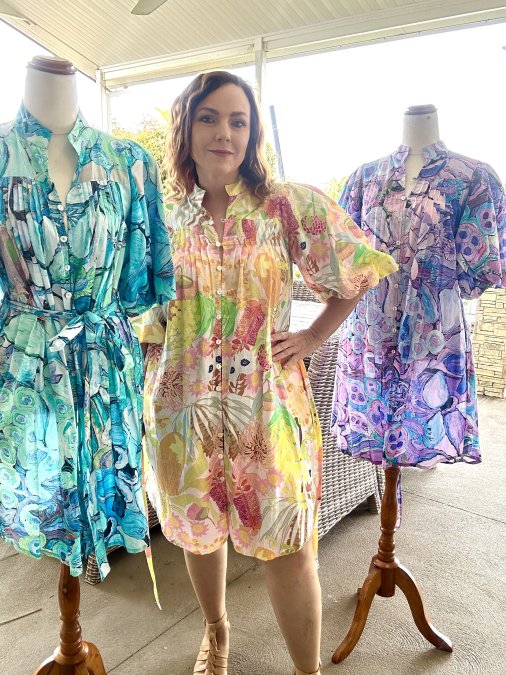
Most fashion is designed to sell in volume. Wearable art is designed to say something. The artist starts with a painting, a sculpture, or a concept, then asks how a body could carry it.
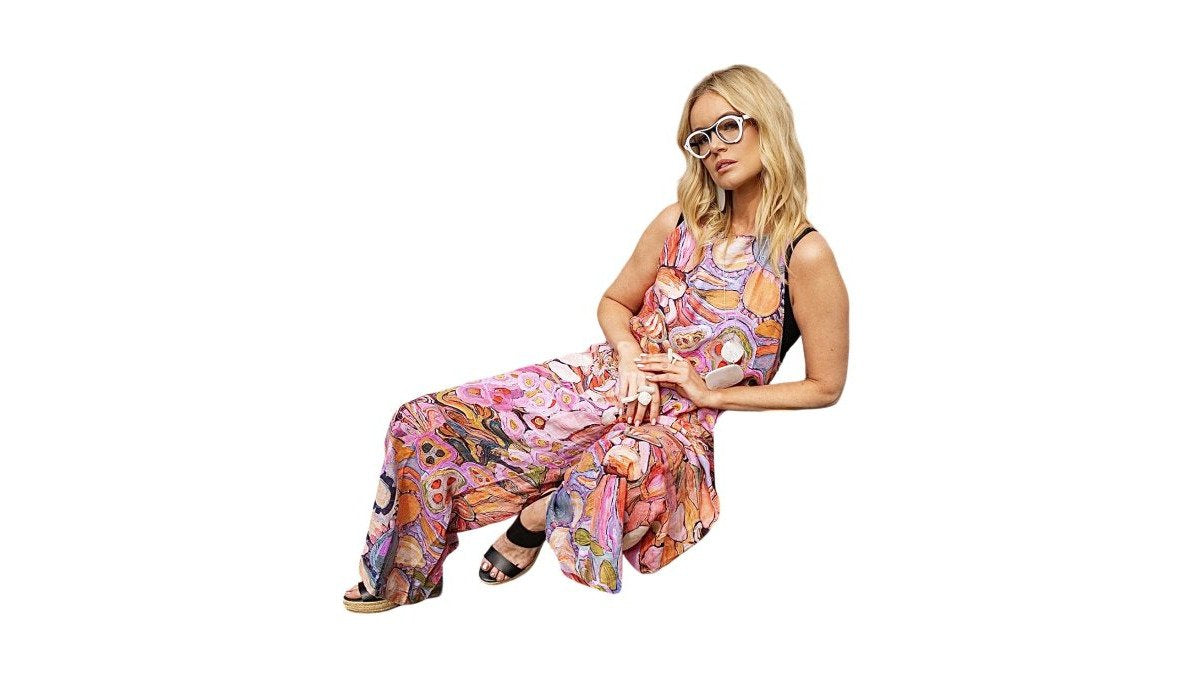
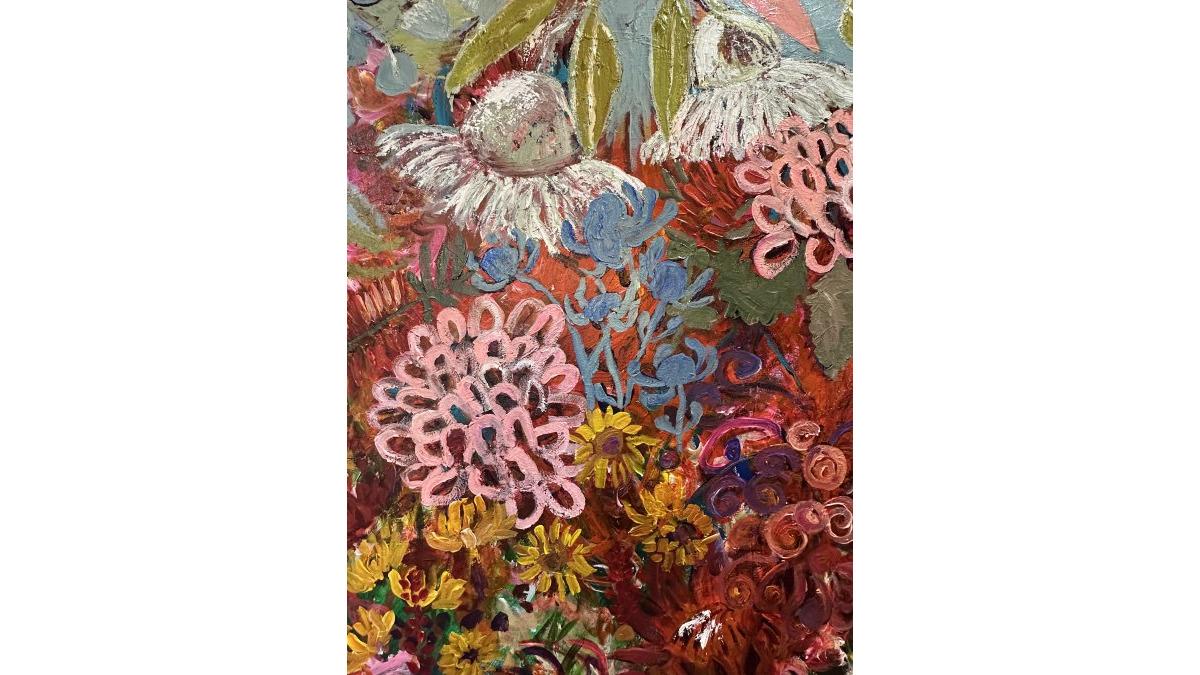
At Kerry Munns Artlife, we build every piece this way. Original paintings become silk scarves, quilted jackets, and reversible coat dresses you can actually live in.

From Gallery Wall to Wardrobe
The shift from canvas to clothing is not new. Artists have long wanted their work off the wall and out in the world.
What has changed is the appetite for it. More buyers now want pieces with a story, not another identical top from a chain store. Slow fashion has moved from niche to mainstream.
So what separates wearable art from a loud print?
- Original artwork, not a licensed design repeated across thousands of units
- Craftsmanship you can inspect: stitching, fabric weight, finish
- Sculptural thinking, where the garment's shape is part of the art
A statement piece is not just bright. It is considered.
Wearable Art for Special Occasions: Choosing the Right Piece
Most guides stop at "wear something bold". The useful question is narrower: which piece suits this event, this dress code, and this many hours on your feet? Work through the four filters below in order, and the choice usually makes itself.
Filter 1: Read the dress code as a formality scale
Dress codes sit on a scale, and a wearable-art piece has to land on the right rung.
- Black tie or formal: keep the artwork close to the body and controlled in scale. A silk scarf, a fine brooch, or a single sculptural earring reads as considered rather than costumed. Full painted prints can tip into fancy dress at this level.
- Cocktail or semi-formal: this is the sweet spot. One statement garment, a reversible coat dress, a quilted jacket, a strong printed wrap, carries the whole outfit.
- Smart casual or garden party: lighter fabrics, softer palettes, and smaller sculptural elements work better in daylight. A floral headpiece or a silk square tied at the neck suits a garden setting.
- Milestone birthdays and creative events: no ceiling. This is where sculptural earrings, a large brooch, or a full painted print earn their place.
If the invitation is ambiguous, ask the host rather than guess. "Cocktail" and "formal" sit at very different ends of the scale, and a piece that suits one can feel wrong at the other.

Filter 2: Match the piece to the venue, not just the event
Venues impose physical constraints that no dress code mentions.
- Outdoor ceremonies: wind lifts lightweight silk and unsettles wide brims. Choose weighted fabrics or secure fastenings.
- Historic buildings and galleries: hard floors and long standing periods reward comfortable shoes and hems that clear stairs.
- Restaurants and seated dinners: a belt that digs in when you sit, or a stiff sculptural collar, becomes uncomfortable by the main course.
- Dance floors: anything that swings, catches, or needs constant adjusting will spend the night in your hand rather than on you.
Filter 3: Balance colour and silhouette against your outfit
The piece has to relate to what it sits against.
- Colour: pull one tone from the artwork and repeat it in a neutral garment. A caramel scarf over a cream dress reads as intentional; the same scarf over a busy print reads as noise.
- Silhouette: a relaxed, collarless jacket over a slim base looks deliberate. The same jacket over a voluminous skirt can swallow your shape.
- Scale: large-scale artwork suits tall, simple silhouettes. Small, dense patterns suit finer fabrics and closer cuts.
Filter 4: Plan for the full duration, not the arrival photo
Ask how long you will actually be wearing the piece. A two-hour gallery opening and a six-hour wedding demand different things. Weight, movement and attachment matter more than any print once the event is underway.
For daytime events, lighter fabrics and softer palettes read better. For evening, deeper tones and stronger shapes hold their own under low light. Get the four filters right and the piece does the work.
How to Style Statement Clothing Without Overdoing It
The rule for styling statement clothing is simple: let one piece lead, then keep everything else quiet.
A common mistake is adding more. More jewellery, more pattern, more colour.
Try this instead:
- Pair a bold jacket with plain trousers in black, cream, or denim
- Choose one metal tone and stick to it for the whole outfit
- Keep shoes simple if the garment is printed
- Let the artwork be the focal point, not your accessories
What most guides miss is proportion. A relaxed, collarless jacket over a slim base looks intentional.
If you are coming from a wardrobe of neutrals, expect the first wear to feel loud.
Unique Occasion Outfits: Building Two Looks From One Piece
Reversible and modular design is the fastest route to unique occasion outfits without buying twice. One garment, two artworks, two completely different moods.
Take a reversible coat dress. Side one might carry a bold splatter print. Side two might be softer and more abstract.
Here is how we would build two looks from it:
Pure Silk Scarf in Tweedle Dee Caramel →
| Look | Wear It As | Pair With | Best For |
|---|---|---|---|
| Day | Open duster over a slip dress | Flat sandals, woven bag | Lunches, gallery openings |
| Evening | Buttoned dress, belted waist | Heels, single bold earring | Cocktail events, dinners |
| Travel | Layered over jeans and a tee | Sneakers, crossbody bag | Long days, mixed plans |
| Celebration | Flowy and unbelted | Statement brooch | Milestone birthdays |
That is four outfits from one piece, and none of them look the same.
Sustainable Occasion Wear That Lasts Beyond the Event
Sustainable occasion wear solves a real problem: the outfit worn once and never again.
Fabric choice decides that.
Natural fibres like cotton and silk breathe, wear well, and hold colour. A two-layer cotton cambric garment feels soft against the skin and survives repeat washing far better than thin synthetics.
Ethical production matters just as much. Many buyers now ask how a piece was made before they ask the price.
The slow fashion promise is straightforward: fewer pieces, made well, worn often. An occasion piece that becomes a wardrobe staple is the whole point.
Comfort, Care and Storage for Wearable Art
A striking piece only earns its place if you can wear it comfortably for the whole event and keep it in good condition afterwards. This is the part most guides skip, and it is where wearable art lives or dies.
Assess wearability before you commit
Run through these checks with the piece on, ideally for ten minutes rather than ten seconds:
- Shoulders and sleeves: raise your arms above your head. If the fabric pulls or the shoulder seam lifts, the cut is wrong for you.
- Waist and belt line: sit down in the piece. A belt or structured waist that digs in when seated will be unbearable by hour three.
- Length: walk up and down stairs and get into a car. A hem that catches is a hem that will trip you.
- Weight: hold the piece at arm's length for a minute. Heavier quilted and beaded garments feel fine on a hanger and tiring on a body.
Skin sensitivity and attachment security
Delicate or sculptural pieces bring two practical risks: irritation and loss.
- Skin sensitivity: metal alloys, stiff backing fabrics and rough seam finishes can rub over a long evening. If you know your skin reacts, look for smooth finishes and natural fibres against the body, and test the piece against your skin before the event rather than on the night.
- Attachment security: brooches, headpieces and heavy earrings need fastenings you trust. Check clasps, pins and clips by hand. For a brooch on fine fabric, a small piece of backing felt spreads the weight and protects the weave.
- Earring weight: heavy sculptural earrings pull on the lobe over hours. If the piece is heavy, consider a clip with a wider contact area or save it for a shorter event.
Care by material
Care depends on what the piece is made from, not on a single universal rule.
- Silk scarves: generally prefer a gentle hand wash in cool water with a mild detergent, then drying flat away from direct sun. Wringing distorts the weave.
- Cotton garments: usually handle a cool machine wash well. Turn printed pieces inside out to protect the surface.
- Quilted and structured pieces: spot clean where possible. Full washing can shift wadding and soften the shape that makes the piece sculptural.
- Embellished or painted surfaces: keep away from harsh detergents and hot water, which can dull colour and loosen applied detail.
When in doubt, follow the care label and test any method on a hidden area first.
Storage that protects shape
- Fold, don't hang, where possible. Hanging stretches quilted and structured garments out of shape over time.
- Pad folds with acid-free tissue on painted or embellished surfaces to stop creases setting into the artwork.
- Keep pieces dark and dry. Prolonged direct sunlight fades natural dyes and printed colour.
- Separate metals from fabric to avoid marks and snags.
Transport to and from the event
Getting a delicate piece there intact is half the battle.
- Roll soft pieces such as scarves and unstructured garments, and pack them in a cloth bag rather than plastic, which traps moisture.
- Fold structured jackets along the seams, not across them, so the shape holds.
- Carry embellished pieces flat where you can. A rigid box or a stiff folder protects sculptural elements better than a soft bag.
- Pack a small repair kit: a safety pin, a spare earring back and a needle and thread solve most last-minute problems.
Treat the piece well and it will outlast the occasion. That is what makes wearable art a wardrobe investment rather than a one-night purchase.
Conclusion: Wear Your Art Out Loud
The hardest part of buying wearable art is trusting that a bold piece will feel like you, not a costume.
Kerry Munns Artlife turns original paintings into pieces you can wear to a wedding, a gallery opening, or a long lunch.
Start with one piece. A pure silk scarf or a reversible jacket is an easy first step into colour.

Shop Wearable Art and find the piece that feels unmistakably yours.
Frequently Asked Questions
What is considered wearable art?
Wearable art is clothing or accessories treated as an original creative work rather than a mass-produced garment. It can include hand-painted prints, sculptural jewellery, handcrafted scarves and one-of-a-kind coats. The defining feature is that an artist's original design drives the piece, not a trend cycle. At Kerry Munns Artlife, wearable art starts as an original painting that is then printed onto sustainable fabrics and made into garments you can actually wear.
How do you style wearable art for a special occasion?
Treat the wearable art piece as the focal point and keep everything else simple. If you are wearing a bold floral jacket or a printed coat dress, pair it with neutral trousers, plain heels and minimal jewellery. Let one statement piece lead. A silk scarf in a caramel design can also lift a plain dress for a cocktail event without competing with the outfit.
Can wearable art be worn to a wedding or formal event?
Yes, provided the piece suits the dress code. A reversible coat dress in a bold print works for a garden wedding or milestone birthday when styled with simple accessories. For a formal event, choose a piece with a more refined silhouette and pair it with understated shoes and a clutch. The key is matching the formality of the fabric and cut to the occasion.
How do you care for wearable art made from sustainable fabrics?
Check the care label first, as different fabrics need different handling. Cotton cambric pieces generally wash well on a gentle cycle in cold water and should be line-dried in shade to protect the print. Pure silk scarves are best hand-washed or dry-cleaned. Store folded rather than hung where possible, and keep silk away from direct sunlight to prevent fading.

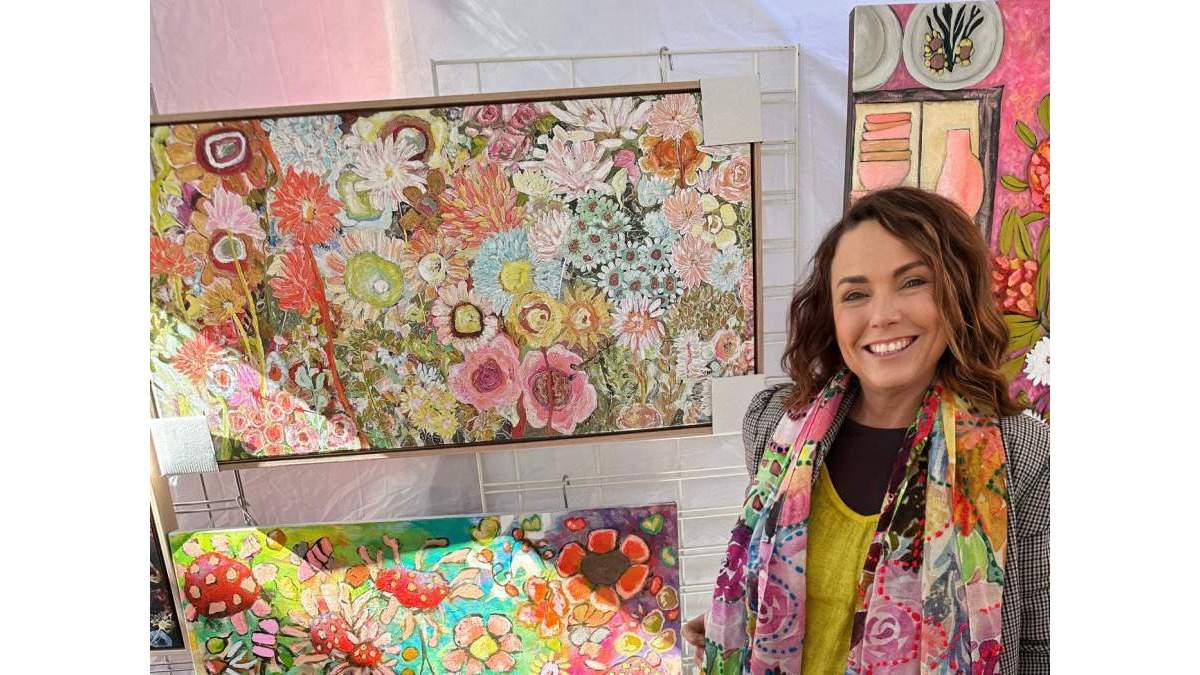
Written by Kerry Munns