How to Build a Sustainable Wardrobe Step by Step
Last Updated: November 12, 2026
Quick Summary
A sustainable wardrobe is built by auditing the clothes you already own, then buying fewer, more versatile pieces chosen to be worn often for a long time. Start by sorting your closet into keep, mend, donate, and recycle piles before shopping anything new.
- Sort your wardrobe into four piles: keep, mend, donate, and recycle.
- Track each item's last worn date and number of wears in a simple spreadsheet.
- Before buying, ask whether you will wear it at least 30 times.
- Check that the garment works with at least three things you already own.
- Wash only when visibly soiled, use cold water, and air-dry where possible.
Table of Contents
- Audit Your Existing Wardrobe Before You Buy Anything
- Plan a Sustainable Wardrobe on a Budget
- Buy Fewer, More Versatile Pieces
- Choose Sustainable Fabrics and Read the Labels
- Evaluating Sustainable Fashion Labels in Australia
- How to Care for Clothes So They Last
- Your Next Step: Start With One Wardrobe Category
- Frequently Asked Questions
Building a sustainable wardrobe starts long before you shop. At Kerry Munns Artlife, we believe the most sustainable garment is the one already hanging in your closet, and the second most sustainable is one you choose carefully and wear for years. This guide walks you through how to build a sustainable wardrobe step by step, from auditing what you already own to caring for the pieces you keep.
Audit Your Existing Wardrobe Before You Buy Anything
Most people already own far more clothing than they wear. Before buying anything new, take stock of what is there. Australian Government guidance on textile waste and clothing disposal shows how much clothing ends up in landfill each year, which makes the case for using what you have first.

Pull everything out of the wardrobe and sort it into four piles: keep, mend, donate, and recycle. Once you have sorted your clothes, learn how to recycle old clothes without sending them to landfill for the items you no longer want. Be honest about items that no longer fit or that you have not worn in a year. This single session often reveals gaps and duplicates that shape your shopping list.
A Repeatable Inventory Method
Once sorted, record what you keep. A simple spreadsheet with the item, colour, fabric, last worn date, and number of wears is enough. Tracking wear count shows which pieces earn their place.
Revisit the inventory every three months. Patterns become clear quickly, and your next purchase will be far more deliberate.
Shop Your Closet First
Before buying something new, try building three outfits from pieces you already own. If you cannot, the gap you have identified is a real need. If you can, you have just saved money and resources.
Plan a Sustainable Wardrobe on a Budget
Sustainable clothing does not have to mean expensive clothing. Budget decisions matter most when they are planned rather than reactive.
Consider where secondhand purchases fit into the plan. Thrifted and resale pieces often cost a fraction of new ones and carry no new production footprint.
Watch out: cheap new clothing bought to fill a gap often gets worn fewer times than expected, so its real cost per wear can exceed that of a better-made piece.
The article's budget guidance comes down to a few planned decisions, summarised below.
| Decision | Suggested approach | Why it matters |
|---|---|---|
| Yearly clothing budget | Set a fixed amount for the year | Stops one season absorbing everything |
| Budget split | Divide the total into quarterly amounts | Spreads spending across the year |
| Secondhand pieces | Thrifted or resale items | Cost less and add no new production footprint |
| Higher-value items | Plan purchases over several months | Usually better quality than an impulse buy |
| Cheap filler buys | Avoid buying cheap new clothing to fill gaps | Often worn fewer times, raising cost per wear |
Buy Fewer, More Versatile Pieces
The core principle of a sustainable wardrobe is simple: buy less, and buy pieces that work with everything else you own.
Ask three questions before any purchase. Will I wear this at least 30 times? Does it work with at least three things I already own? Will it still feel right in two years? If the answer to any is no, put it back.
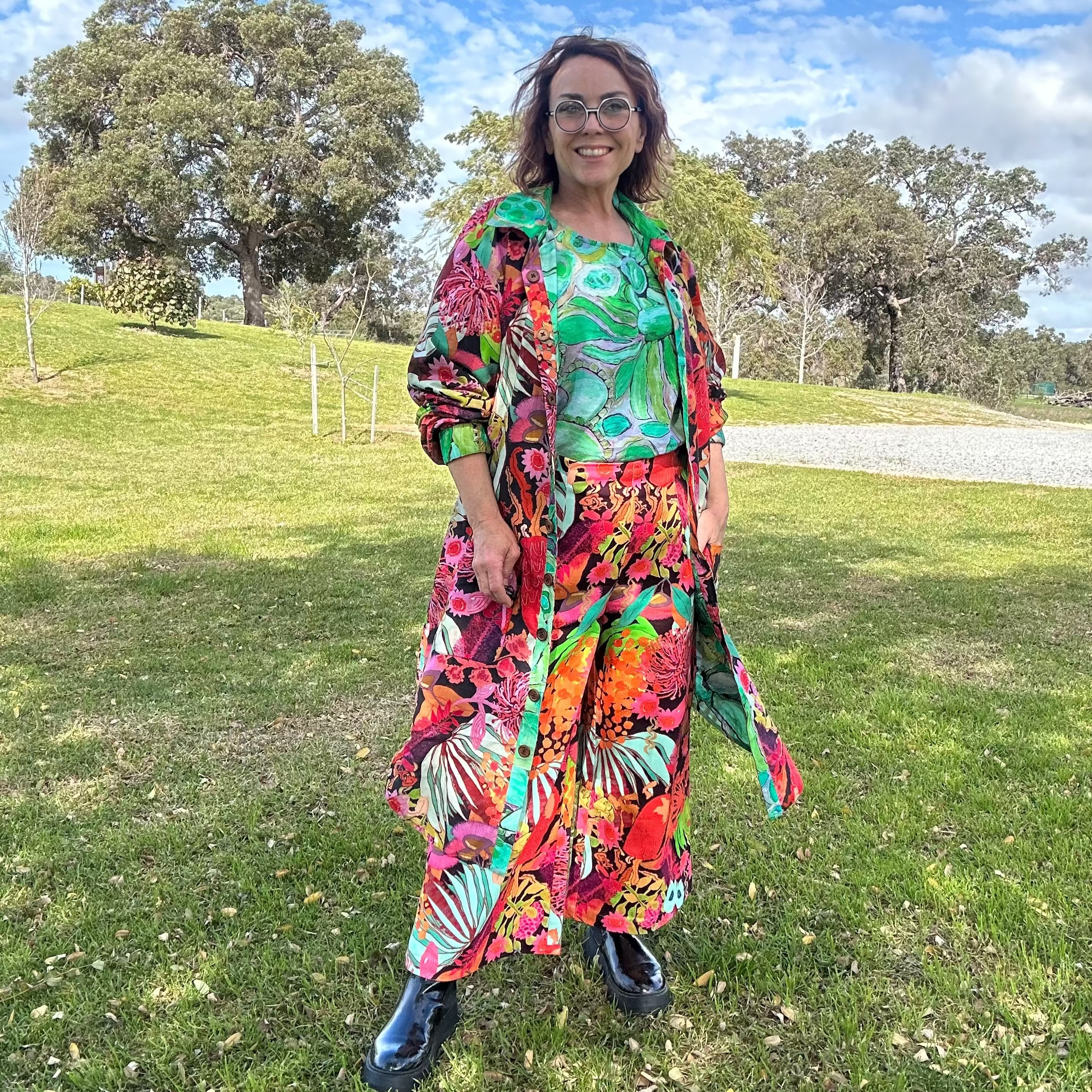
Statement pieces have a place in a sustainable wardrobe too. Our own Reversible Coat in Cherry Ripe/Apple Pie is designed this way, offering two original prints in one garment and priced at $240.00 AUD. You can see our full range of wearable art pieces to find statement items that suit your everyday style.
Choose Sustainable Fabrics and Read the Labels
Fabric composition shapes how long a garment lasts and how it affects the environment. Natural fibres such as cotton, linen, and Merino wool are generally biodegradable and breathable, while many synthetic fibres shed microplastics during washing.
Read the care label and the fibre content before buying. A garment labelled 100% cotton or linen tells you more than a vague "eco-friendly" claim. Look for specifics about how and where the fabric was produced.
How to Evaluate Sustainability Claims and Certifications
Sustainability claims vary widely in reliability. Some are backed by independent certification, while others are marketing language with no verification behind them. Look for named certifications and check whether they are current and independently audited.
Ask the brand direct questions: where is the garment made, who makes it, and what materials are used? Clear, specific answers are a good sign. Vague answers deserve scepticism.
Evaluating Sustainable Fashion Labels in Australia
When evaluating them, look beyond the marketing. Check whether the label publishes information about its supply chain, whether it names its fabrics, and whether it accepts garments back for repair or recycling.
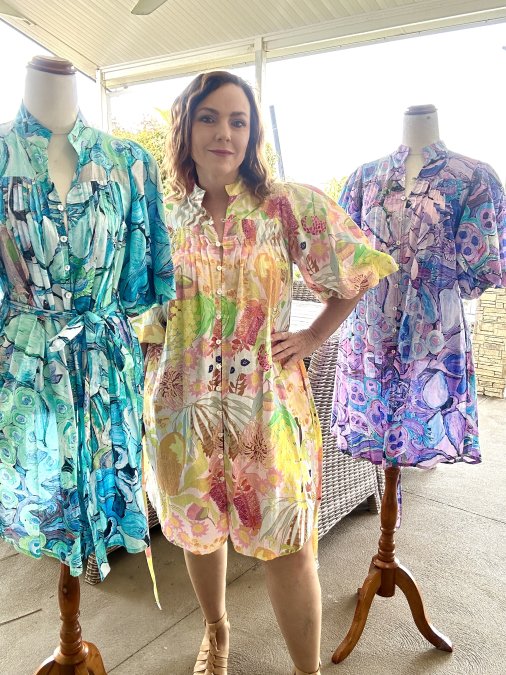
Local labels can also reduce the distance garments travel and make returns and repairs easier. Our guide to sustainable fashion labels in Australia covers what to look for in more detail.
It is also worth checking whether an Australian label's claims align with the rules that govern them. The Australian Competition and Consumer Commission publishes guidance on environmental claims that can help you judge marketing language (Environmental and sustainability claims).
How to Care for Clothes So They Last
The most sustainable garment is the one you keep wearing. Caring for your clothes properly can extend their lifespan, and many of the actions are free. The key is to treat the care label as a starting point and build a small routine around each fibre type.
Wash less, and wash smarter
Wash only when something is visibly soiled or smells, rather than after every wear. Air garments between wears, hanging them overnight on a hanger or over a chair lets moisture and odour dissipate. When you do wash:
- Use cold water where the label allows. Cold water is gentler on fibres and colour.
- Turn garments inside out and use a mesh laundry bag for knits and delicates to reduce friction and pilling.
- Choose a gentle or wool cycle for natural fibres, and avoid fabric softener, which coats fibres and reduces breathability.
Track how often you wash each item. A simple note in your wardrobe inventory is enough, and it quickly shows which pieces are being over-washed.
Mend early, and learn three basic repairs
Small problems become big ones quickly. A loose button or a small tear takes minutes to fix and prevents bigger damage. Three repairs cover most everyday issues:
- Reattaching a button. Keep a small repair kit with a needle, thread matched to the garment, and spare buttons (many garments come with spares sewn into the hem).
- Darning a small hole. A simple running stitch or a basic darn closes holes in knitwear before they spread.
- Repairing a hem. A slipped hem can be tacked back with a few stitches or taken to a local alterations service, which is usually cheaper than replacing the garment.
For anything beyond these, a local tailor or alterations service can resize, shorten, or restructure a garment. Taking in a waistband or shortening sleeves often costs far less than a new purchase and keeps a well-made piece in rotation.
Treat stains before they set
Act quickly and blot rather than rub. Cold water is the first treatment for most stains, including protein-based ones such as food and blood. For grease, a small amount of dishwashing liquid worked into the stain before washing is a common household fix. Check the care label before applying anything, and test on an inside seam first. If a stain does not lift after one attempt, take the garment to a professional cleaner rather than applying heat, which can set it permanently.
Store clothes to protect them
Store knitwear folded rather than hung, so shoulders do not stretch. Use padded or wooden hangers for structured garments. Keep delicate pieces and natural fibres away from direct sunlight to prevent fading, and store seasonal items clean, moths are attracted to body oils and food residue left on unwashed clothing. Cedar blocks or lavender sachets are a low-cost deterrent.
Know when to stop
Repair has limits. When a garment is structurally failing, thin elbows, multiple irreparable holes, or a fabric that has lost its shape, it has reached the end of its wearable life. At that point, the question shifts from care to responsible disposal, which is covered in the next section.
Your Next Step: Start With One Wardrobe Category
You do not need to transform your entire wardrobe at once. Choose one category, such as everyday tops or outerwear, and apply the audit, the 30-wear test, and the label check to just that category.
Building a sustainable wardrobe is a gradual practice, and each considered purchase makes the next one easier. If you are ready to add a piece that combines art, comfort, and slow fashion, explore our wearable art collection and find the piece that suits you.
Frequently Asked Questions
How do I start building a sustainable wardrobe?
Start with an audit. Take everything out of your wardrobe, sort it into keep, repair, donate and sell piles, and note how often you actually wear each item. Use that list to find gaps and duplicates before buying anything new. Set a simple rule for future purchases, such as only buying a piece that works with at least three things you already own. This approach keeps spending low and reveals which styles you genuinely reach for.
What should a sustainable wardrobe include?
A sustainable wardrobe centres on versatile pieces you wear often, made from durable materials that suit your daily life. Most people need a small core of tops, bottoms, layers and one or two statement pieces that mix well together. Natural fibres such as cotton, linen and wool tend to last longer and handle repeated wear well. Include a few items for care and repair, such as a sewing kit, so clothes stay usable for years.
How can I make my wardrobe more sustainable on a budget?
Shop secondhand, swap with friends, and buy fewer items at a higher standard rather than many cheap ones. Track cost per wear: a dress worn many more times than a cheaper top can cost less per wear. Mending a hem or replacing a button is far cheaper than replacing the garment. Spend the savings on one or two investment pieces each year, and avoid impulse purchases by waiting 48 hours before buying.
How do I know if a clothing brand is ethical and sustainable?
Look for specific claims rather than vague words like eco or conscious. Check whether the brand discloses fabric composition, where garments are made, and who makes them. Independent certifications can add credibility, but check what each one actually covers. Be cautious of claims that cannot be verified. Transparent brands explain their supply chain and are willing to answer specific questions about it.
Which fabrics are best for a sustainable wardrobe?
Natural fibres such as organic cotton, linen, hemp and wool are generally better choices than conventional synthetics, because they are biodegradable and often more durable. Recycled fibres can also reduce demand for virgin materials. However, no fabric is perfect: linen and cotton can require significant water, and synthetic blends shed microplastics when washed. Match the fabric to how you will wear and care for the garment, since a long-lasting item in a suitable fibre usually has the lowest environmental cost per wear.
Is buying second-hand clothing more sustainable?
Generally yes. Buying secondhand extends the life of a garment that already exists and avoids the resources needed to make a new one. It is also a low-cost way to try different styles. The benefit is greatest when you actually wear the item for a long time. Clothes bought secondhand but worn only a few times, or donated when they stop fitting, still contribute to textile waste, so buy with the same care you would bring to a new purchase.
How can I make my clothes last longer?
Wash clothes less often, use cold water, and air dry where possible, since heat and agitation cause much of the wear. Turn knitwear and printed items inside out, and use a laundry bag for delicate fabrics. Repair small problems early, such as loose buttons or small holes, before they grow. Store garments properly, folding knitwear and hanging structured pieces, to prevent stretching and creasing. Following the care label is the simplest way to avoid damage.
How many clothes do you need for a sustainable wardrobe?
There is no fixed number, because it depends on your lifestyle, climate and how often you do laundry. Many people find that a small capsule of everyday pieces covers their needs. The aim is not a specific count but a wardrobe where you wear most pieces regularly. Track how many times you wear each item over a season and adjust, removing pieces that consistently stay unworn.


Written by Kerry Munns