
7 Printed Fabric Care Rules That Stop Fading and Cracking
Last Updated: October 28, 2026
Quick Summary
Good printed fabric care means reading the care label first, then washing inside out in cool water around 30°C or below with a mild detergent and a gentle cycle. Skip bleach, fabric softener and the tumble dryer, and iron only on the reverse at the lowest heat with no steam.
- Turn garments inside out and close zips and buttons before washing to shield the print.
- Wash printed items separately for the first few washes to avoid dye transfer.
- Hand washing is the safest choice for delicate prints, silk blends and embroidered designs.
- Dry printed fabric in indirect sunlight or indoors, never in a tumble dryer.
- Cracking and peeling cannot be reversed, so prevention is the only real strategy.
Table of Contents
- Read the Care Label Before Anything Else
- How to Wash Printed Fabric Without Lifting the Ink
- Match the Method to the Fibre and the Print
- How to Care for Screen-Printed Clothes and Pigment Prints
- How to Prevent Fabric Prints from Fading
- How to Iron Printed Fabric Without Melting the Design
- First-Wash Testing, Stain Removal and Print Damage Fixes
- Shop Wearable Art You Can Care For Confidently
- Frequently Asked Questions
Read the Care Label Before Anything Else
Learning how to care for printed fabrics starts with one habit: read the care label before the first wash. That small tag tells you the fibre, the maximum water temperature and whether the print tolerates machine washing at all.
Good printed fabric care protects both the cloth and the artwork sitting on top of it.
Here is the simple truth most guides skip: the print is the fragile part, not the fabric. Ink sits on or just inside the fibres. Heat, harsh detergent and rough tumbling break that bond.
So read the label like a set of instructions, not a suggestion.
- Fibre first: cotton, linen, silk and polyester all behave differently in water.
- Temperature second: never go hotter than the label allows.
- Print type third: screen prints and pigment prints need gentler handling than dyed cloth.
When the Label and the Print Disagree
Sometimes the label says machine wash but the print looks delicate. Trust the more cautious option.
How to Wash Printed Fabric Without Lifting the Ink
Follow these steps for a gentle machine wash:
- Turn the garment inside out to shield the print.
- Close zips and buttons so they cannot snag the design.
- Use cool water, around 30°C or below.
- Add a mild detergent, never a biological or whitening one.
- Choose a gentle cycle with a low spin.
- Wash printed items separately for the first few washes.
Hand Wash or Machine Wash?
Hand washing is the safest choice for delicate prints, silk blends and anything with a raised or embroidered textile design. Machine washing suits sturdy cotton and polyester prints on a gentle cycle.
Match the Method to the Fibre and the Print
The right printed fabric care method depends on two things: what the cloth is made of and how the design was applied. A cotton poplin screen print and a silk pigment print need different handling, and treating them the same is how prints get ruined.
Use this as your decision guide. Find the fibre first, then adjust for the print method.
By fibre
| Fibre | Water temperature | Wash method | Drying | Iron |
|---|---|---|---|---|
| Cotton | Cool to lukewarm, 30°C | Gentle machine or hand | Air dry, inside out | Low, reverse side |
| Linen | Cool, 30°C | Hand wash or gentle machine | Air dry flat | Low, reverse side, damp |
| Silk | Cool, by hand only | Hand wash | Air dry flat, away from sun | Coolest setting, cloth barrier |
| Polyester | Cool, 30°C | Gentle machine | Air dry | Low, reverse side |
| Viscose/rayon | Cool, 30°C | Hand wash | Air dry flat | Low, reverse side |
| Wool blends | Cool, 30°C | Hand wash, no agitation | Air dry flat | Cool, steam-free |
By print method
- Pigment prints sit on the surface of the cloth as a binder-and-colour layer. They are the most abrasion-sensitive, so wash inside out, avoid biological detergents and never tumble dry. Expect some softening over time; that is normal, not a fault.
- Screen prints push ink through a mesh into the fibres. They hold up to regular washing better than pigment prints, but heat still softens the ink, so cool water and a low iron are non-negotiable.
- Block prints are usually hand-applied dye on cotton or linen. They can bleed in the first few washes, so wash separately in cool water and avoid soaking.
- Digital and reactive prints bond chemically with the fibre and are among the most wash-fast, but they still fade under UV light, so shade drying matters more than temperature.
- Embroidered and appliquéd designs need the gentlest cycle of all, because loose threads catch on zips, buttons and drum fins. Turn inside out and use a mesh laundry bag.
For a deeper look at how different fibres behave over time, read our guide to durable sustainable fabrics for clothing.
How to Care for Screen-Printed Clothes and Pigment Prints
Screen-printed clothes tolerate regular washing better than most, but they still need cool water and mild detergent. Pigment prints are softer to the touch and fade faster, so treat them with extra care.
A few rules apply to both:
- Skip bleach entirely. Chlorine bleach strips colour and weakens the print bond.
- Avoid fabric softener. It coats the fibres and dulls the design over time.
- Do not soak for hours. Long soaking loosens pigment and encourages dye transfer.
- Wash less often. Spot clean between wears to extend the life of the print.
How to Prevent Fabric Prints from Fading
Follow these habits to prevent fabric prints from fading:
- Dry in indirect sunlight or indoors on a washing line.
- Turn garments inside out before drying to shield the print.
- Skip the tumble dryer. Heat sets fading and can crack the design.
- Store folded, out of the sun, rather than hanging in a bright wardrobe.
- Wash inside out to reduce surface abrasion.
How to Iron Printed Fabric Without Melting the Design
Iron printed fabric on the reverse side, on the lowest heat setting, with no steam. Direct heat is what melts, cracks and peels a print, so never press the design face-on.
Follow these steps:
- Let the garment dry fully first.
- Turn it inside out so the print faces down.
- Set the iron to its lowest heat, no steam.
- Place a thin cotton cloth between the iron and the fabric.
- Press gently and keep the iron moving.
- Hang immediately to avoid new creases.
First-Wash Testing, Stain Removal and Print Damage Fixes
This is where printed fabric care earns its keep. Most fading, bleeding and cracking happens in the first few washes or the first bad stain, and both are manageable if you act before the damage sets.
Test colourfastness before the first full wash
A common pattern is for new block prints and strongly coloured pigment prints to release a little excess dye in the first two or three washes. That is normal. Dye that keeps releasing after five washes is a sign the print was poorly fixed, and the piece should be washed alone from then on.
Remove stains without rubbing the print
- Act fast. Blot up excess liquid with a clean white cloth, working from the outside of the stain inwards so you do not spread it.
- Use cool water first. Hot water sets protein stains such as blood, egg and dairy, and can loosen pigment.
- Add a drop of mild detergent. Dab it on with a fingertip or soft cloth, leave for a minute, then blot and rinse with cool water.
- Air dry before judging. Some stains look worse while wet. Let the piece dry fully in the shade before deciding whether to repeat.
- Skip bleach and stain removers with oxygen or chlorine bleach on pigment and screen prints, because they strip colour and weaken the binder.
What can and cannot be repaired
Print damage falls into four types, and only some of them are fixable:
- Cracking, fine lines appear along fold lines and high-stress areas. It cannot be reversed, but you can slow it by washing less often, skipping the dryer and ironing only on the reverse.
- Peeling, the print lifts at the edges. There is no reliable home fix; a textile conservator may be able to stabilise it, but prevention is the only real strategy.
- Fading, usually UV-driven. Once faded, colour cannot be restored, but shade drying and storing away from windows stops it getting worse.
- Bleeding, dye transfer onto pale areas. A cool soak immediately after the bleed can reduce it, but set bleed is permanent.
Storing printed pieces for the long term
Store printed pieces folded or rolled in a cool, dry place, away from direct sunlight. Avoid plastic bags, which trap moisture, and use breathable cotton covers instead. Keep embroidered textile items flat so the stitching does not crush. Rotate folded pieces every few months so creases do not set along the same line.
Shop Wearable Art You Can Care For Confidently
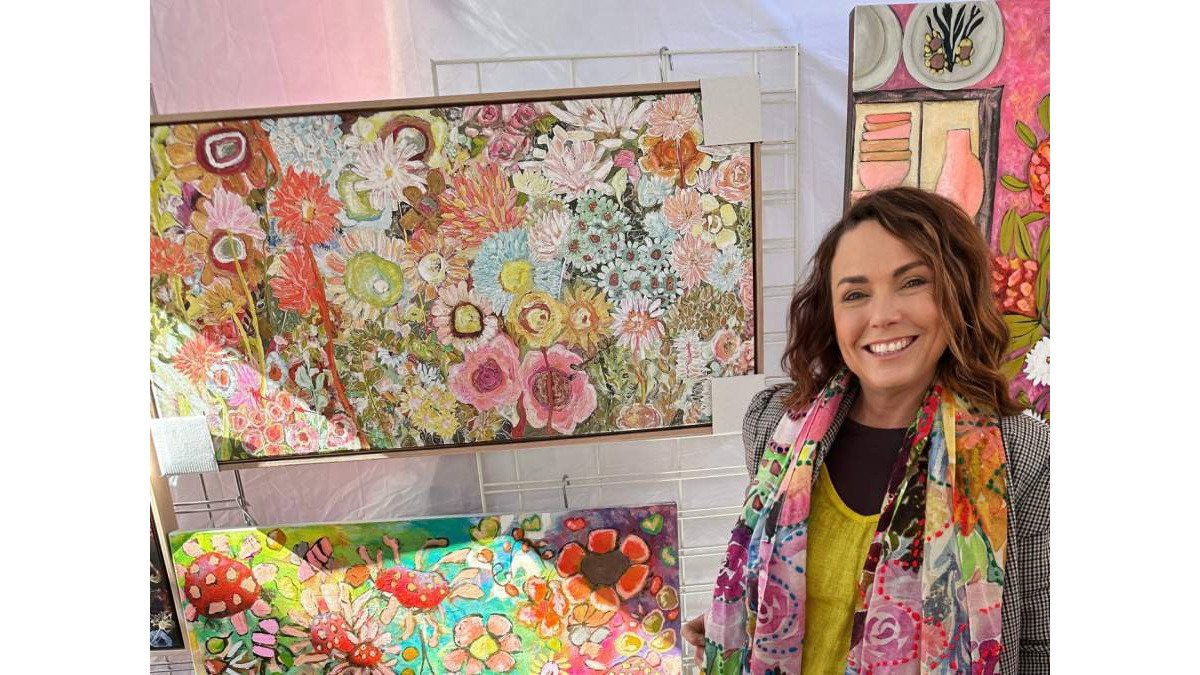
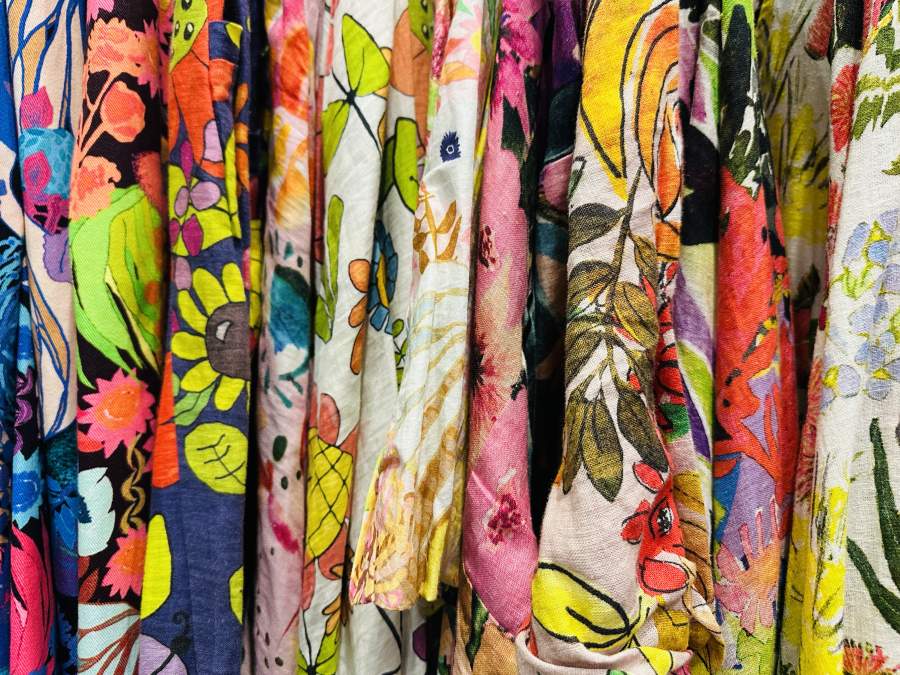
At Kerry Munns Artlife, we turn original paintings into vibrant, wearable art on fully sustainable fabrics, ethically made in India. Every piece is built for slow fashion, so it deserves care that matches.
Before you buy, it helps to understand what makes vibrant statement pieces for women work, and you can also read our fuller guide on how to care for artistic prints for extra detail.
Ready to wear your art? Shop wearable art and let your wardrobe carry colour, joy and individual expression.
Frequently Asked Questions
Can printed fabric be machine washed?
Most printed fabric can be machine washed, but the settings matter more than the machine itself. Turn the garment inside out, choose a gentle cycle at 30°C, use a mild detergent and skip the spin cycle or set it to low. Hot water and aggressive agitation are what break down print binders and cause cracking. If the care label says hand wash only, or the print is a delicate pigment or foil finish, wash by hand in cool water instead.
What temperature should you wash printed clothes at?
Wash printed clothes at 30°C or cooler. Heat is the main enemy of print longevity: it softens the binder that holds pigment to the fibre, speeds up dye fading and encourages shrinkage in natural fibres like cotton. A 40°C cycle is acceptable for sturdy cotton prints that are already colourfast, but never exceed the temperature on the care label. For the first wash, use cold water to test how much colour releases.
Can you iron directly over a fabric print?
No. A hot iron pressed directly onto a print will melt, shine or lift the design. Turn the garment inside out and iron the reverse side, or place a clean cotton cloth or pressing cloth between the iron and the print. Use the lowest heat setting that removes creases, keep the iron moving and avoid steam bursts directly on the printed area. Embroidered and pigment prints are especially vulnerable to direct heat.
How do you stop printed fabric from fading?
Four habits do most of the work: wash inside out in cool water, air dry in shade rather than direct sunlight, avoid chlorine bleach and fabric softener, and store garments away from prolonged light exposure. UV light breaks down dyes, so a washing line in indirect sunlight is far kinder than a hot tumble dryer. For hand-painted or pigment-printed pieces, a colourfastness test on a hidden hem before the first wash tells you how much dye to expect in the water.
The real test of any printed piece is how it looks after twenty washes, not the first wear. That is the standard we build to at Kerry Munns Artlife, with original artwork transformed into fashion on sustainable fabrics and a slow fashion promise behind every design. Explore the collection and find a statement piece you will care for, and wear, for years.


Written by Kerry Munns