
Modern Artisan Fashion Trends 2026: A Practical Guide
Quick Summary
Artisan fashion is clothing made by hand or in small batches, where the design, craft and maker matter as much as the garment. Modern artisan fashion starts with an original artwork or handcrafted idea and builds the garment around it, rather than copying runway trends.
- Artisan prints are built from original artwork, not licensed stock motifs or repeating digital tiles.
- Bold block colour, mixed prints and softer silhouettes lead the 2026 trends.
- Check hand-finished edges, natural buttons and clean print registration to spot handmade work.
- Treat one printed piece as the statement and keep the rest of the outfit simple.
- Divide the price by expected wears to judge whether an artisan purchase is good value.
Table of Contents
- What Modern Artisan Fashion Actually Means
- The Key Fashion Trends for 2026
- How to Recognise Handcrafted Fashion Details
- Styling a Printed Playsuit and Other Statement Pieces
- Sustainable Artisan Fashion: Sourcing, Fair Pay and Cultural Credit
- Building an Artisan-Led Wardrobe That Lasts
- Choosing Your First Artisan Statement Piece
- Frequently Asked Questions
What Modern Artisan Fashion Actually Means
Last Updated: November 8, 2026
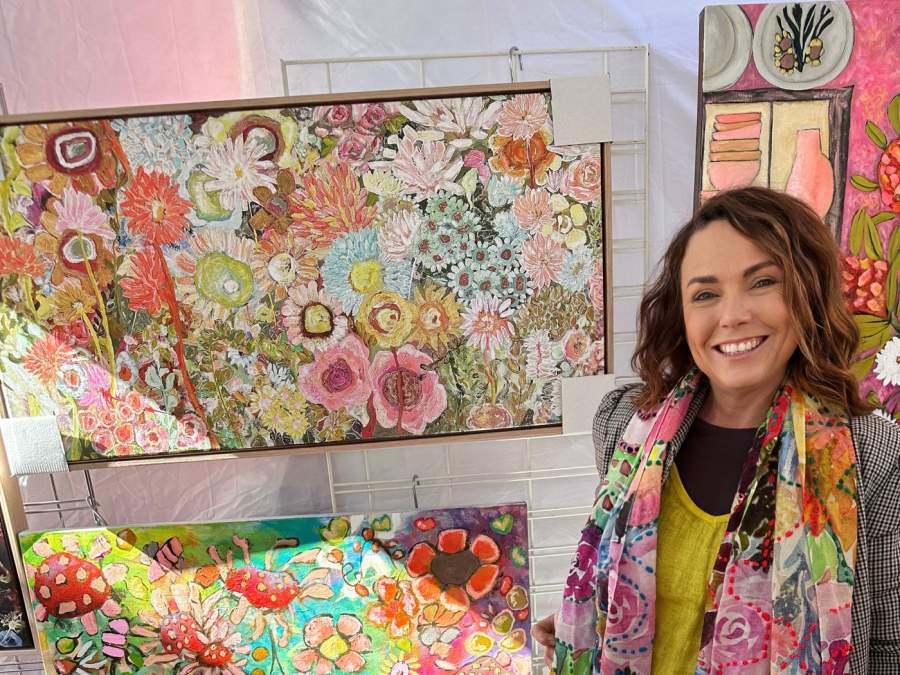
Artisan fashion is clothing made by hand or in small batches, where the design, the craft and the maker matter as much as the garment itself.
That distinction matters more than it sounds. Mass-produced fashion copies trends from a runway and sends them to stores within weeks. Modern artisan fashion works the other way round: it starts with a single idea, a painted surface or a handcrafted detail, and builds the garment around it.
Three things set the category apart:
-
Original design: the print or pattern begins as an original artwork, not a licensed stock motif.
-
Visible craft: hand-finished touches such as buttons, edges and layered prints show up in the garment.
Artisan fashion is also tied to slow fashion. Buying a piece you will wear for years, rather than several pieces you will wear once, is the core idea. We design our collections around fully sustainable fabrics.
The Key Fashion Trends for 2026
The biggest shifts for 2026 favour clothing that looks considered rather than disposable. Colour is louder, prints are bolder, silhouettes are softer, and shoppers are paying closer attention to who made what they wear. Below are the trends we see most clearly in the artisan space, grouped so you can see how they interact rather than treating each as a separate forecast.
Bold Colours and Block Colour Combinations
Block colour is back in a big way. Instead of blending tones, designers are placing strong, flat shades side by side, often in combinations that would have looked too loud a few seasons ago. Peach beside a deep blue, or espresso tones against a bright pink, creates a look that is confident without being fussy.
For everyday wear, start with one bold piece and keep the rest of the outfit quiet. A vibrant reversible quilted jacket in Spring Fling Peach, for example, carries two original paintings, one on each side, so it works as a statement on its own. Pair it with plain denim and it still feels balanced. If you want to try two colours, keep them in the same temperature family, two warms or two cools, and let the third piece be neutral.
Prints, Patterns and Checks
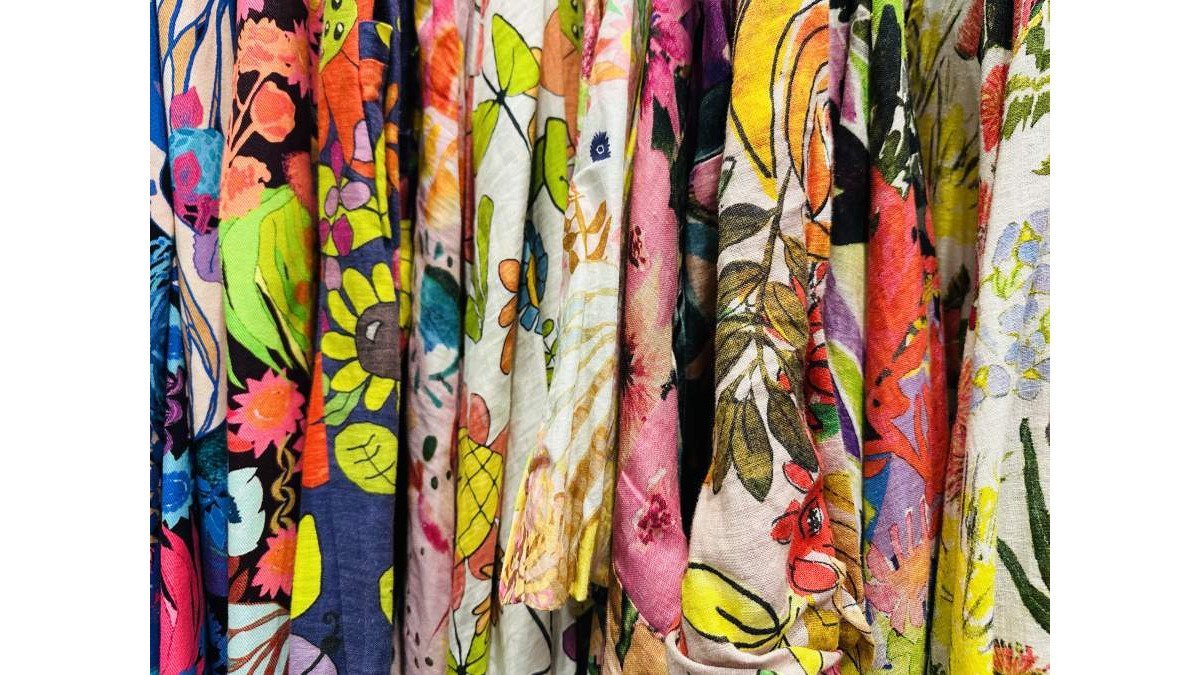
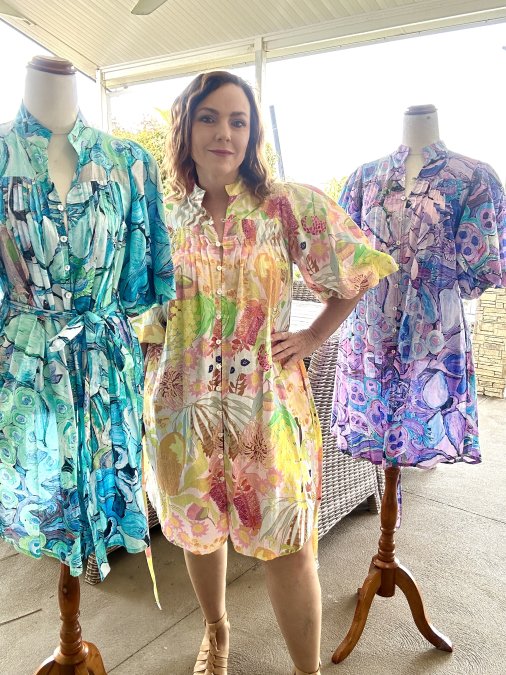
Prints are the most visible part of artisan fashion. Florals, abstract brushwork and painterly textures are all showing up in 2026, alongside checks and animal prints reworked in softer palettes. Artisan prints are built from original artwork. Expect to see large-scale botanicals, hand-painted stripes and irregular geometrics that show the maker's hand rather than a repeating digital tile.
Mix scale when you layer prints. A large floral on one piece and a small check on another usually works better than two patterns of similar size. A useful rule is to keep one print dominant and the second at roughly half its scale, then repeat one colour from the first print in the second.
Silhouettes and Tailoring
2026 tailoring moves away from the sharp, oversized shoulder of recent seasons toward a softer, more fluid line. Think relaxed blazers with a natural shoulder, wide-leg trousers that fall from the hip rather than the waist, and shirts cut with extra room through the body.
Balance volume against volume. Our Charlotte Pants in Floral Coral are wide and fluid, so pair them with a fitted or simply cut top to keep the proportion deliberate.
Fabric, Texture and Material Choices
Texture is doing more work in 2026 than pattern alone. Linen with visible slubs, brushed cotton, recycled denim with a dry hand, and silk with a matte rather than glossy finish are all part of the story.

Layer texture rather than colour when you want depth. A matte silk blouse under a brushed cotton jacket gives more visual interest than two smooth fabrics in contrasting shades.
Retro and Revival Influences
The revival thread for 2026 is less about copying a decade than about reworking its useful parts. Seventies wide legs, nineties slip shapes and mid-century painterly prints all appear, but cut in modern proportions and finished by hand.
Watch out: revival styling can tip into costume if you wear a full decade head to toe. Take one revival element, such as a wide leg or a painterly print, and keep the rest of the outfit contemporary.
The table below summarises the main 2026 trends and the styling advice the article gives for each.
| Trend | Key idea | Styling tip |
|---|---|---|
| Bold colours | Flat, strong shades placed side by side | Start with one bold piece |
| Prints and patterns | Built from original artwork | Mix scale; keep one print dominant |
| Silhouettes | Softer, fluid lines | Balance volume against volume |
| Fabric and texture | Layer texture rather than colour | Matte silk under brushed cotton |
| Retro revival | Old decades reworked in modern cuts | Take one revival element only |
How to Recognise Handcrafted Fashion Details
Handcrafted clothing usually shows its making. Look closely and you may find small signs that a garment was finished by hand.
- Hand-finished edges: raw or deliberately frayed hems, and seams that have been turned and stitched by hand.
- Natural closures: wooden or shell buttons rather than standard plastic ones, often sewn on with visible thread.
- Print registration: where a painted design is printed onto fabric, the artwork should line up cleanly at seams and along the edges.
- Varied finishing: small differences between pieces in the same range are normal, and a sign of genuine handmade work.
A higher price alone does not signal craftsmanship, so check the finishing instead.
Styling a Printed Playsuit and Other Statement Pieces
A printed piece works best when you treat it as the focal point and build the rest of the outfit around it. The aim is to let the artwork breathe rather than compete with it.
For a printed playsuit, keep the accessories simple: a plain leather sandal, a small bag in a neutral tone and minimal jewellery. If the playsuit is busy, leave the hair loose and avoid adding a second print.
The same principle applies to other statement pieces. Our Charlotte Pants in Floral Coral are wide and fluid, so pair them with a fitted or simply cut top to balance the volume.

Watch out: a head-to-toe print can read as costume rather than style. Keep one piece as the statement and let everything else sit back.
Sustainable Artisan Fashion: Sourcing, Fair Pay and Cultural Credit
Sustainability in artisan fashion depends on three things: where materials come from, how makers are paid and whether the cultural source of a design is properly acknowledged. Most trend coverage stops at the word 'sustainable'; the useful question is how a buyer can actually check each of those three things before spending money.
Sourcing and Materials
Start with fibre and traceability. A credible artisan label should be able to tell you the fibre content, the country where the fabric was woven or printed, and whether the dye process was natural or low-impact. Our pieces are made from fully sustainable fabrics, and the Unique Recycled Denim Jacket is made from recycled denim with Kerry's original fabric designs. When you assess any brand, ask whether the fabric is a certified recycled or organic input, whether offcuts are reused, and whether the print method avoids heavy plastisol inks. A label that cannot answer these questions is telling you something.
Fair Pay and Working Conditions
Fair pay is harder to verify than fibre, because it depends on the relationship between brand and maker. Our clothing is ethically made in India. Ask any artisan brand who made the garment and how the maker is paid.
Cultural Credit and Attribution
Cultural credit matters too. Where a design draws on a regional craft tradition, block printing, ikat, kantha stitching, resist dyeing, it should be named and respected rather than lifted without context. The practical test is whether the brand names the tradition, credits the community or region it comes from, and can explain how the maker was involved.
Care, Repair and Cost-Per-Wear
Longevity is the most credible sustainability claim a garment can make, and it depends on how you treat it. Wash prints inside out in cool water, dry flat away from direct sun, and store silk and wool folded rather than hung to avoid stretching.
Cost-per-wear is a simple way to judge a purchase. Divide the price by the number of times you expect to wear it, and a jacket worn every week for years can be better value than a cheaper piece worn twice.
Watch out: a 'sustainable' or 'handmade' label is not a guarantee. Check the finishing, ask the sourcing questions and look for named maker relationships rather than accepting the claim at face value.
Building an Artisan-Led Wardrobe That Lasts
An artisan-led wardrobe is built slowly. Rather than buying a dozen trend pieces, choose a small number of garments you will wear often and that work with what you already own.
Start with three anchors: one statement jacket, one statement bottom and one versatile top such as a silk blouse. Add a neutral layer, like plain denim or a linen shirt, to tie the pieces together. From there, each new purchase should either extend what you can wear or replace something worn out.
Cost-per-wear is the simplest way to judge a purchase. A jacket that costs more but gets worn every week for years is usually better value than a cheaper piece worn twice. Caring for the garment matters here.
Choosing Your First Artisan Statement Piece
Your first artisan piece should be one you will reach for often. Think about the colours you already wear, the occasions you dress for and how much volume you are comfortable with.
If you are new to bold prints, start with a jacket or blouse rather than a full outfit. A jacket is easy to layer over clothes you already own. If you want something that feels truly one-of-a-kind, look at pieces with limited availability, such as the Unique Recycled Denim Jacket.
Ask yourself three questions before buying. Will I wear this at least once a week? Does it work with at least three things I already own? Do I like the way it feels when I move? If the answer to all three is yes, you have found your first statement piece.
Frequently Asked Questions
What is artisan fashion?
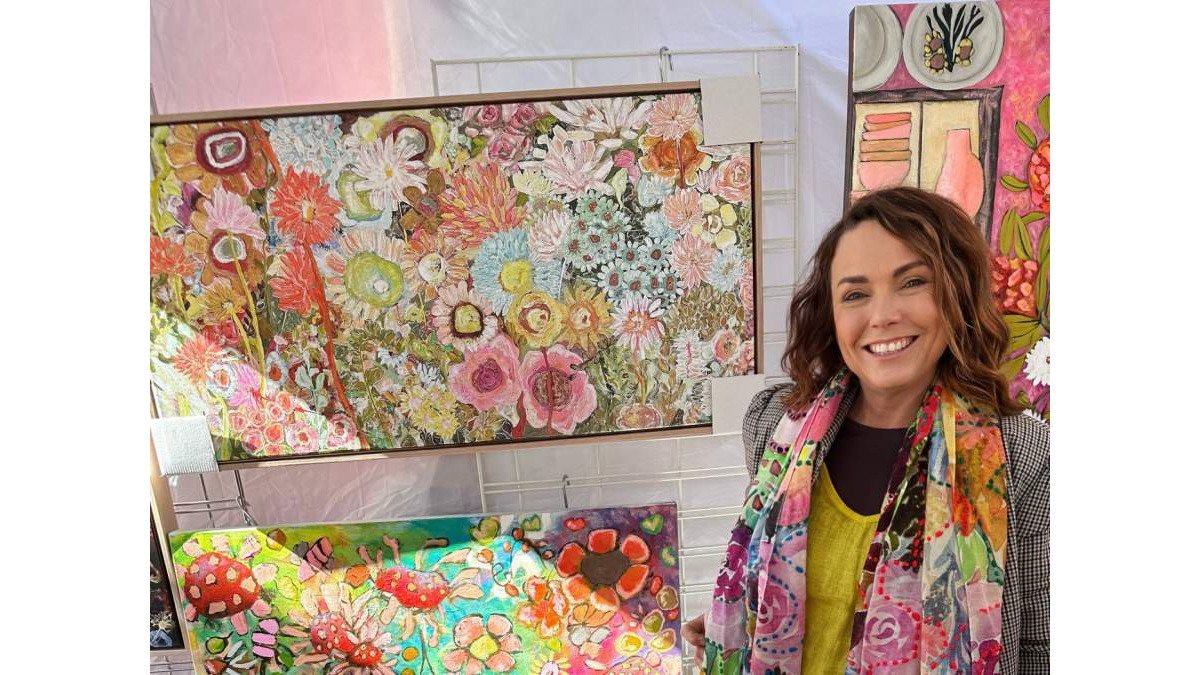
Artisan fashion refers to clothing made by hand or in small batches, where the maker controls the design, cutting, printing or finishing. Rather than mass-produced runs, pieces often carry visible craft such as hand-finished edges, original artwork or small-run prints. In the context of modern slow fashion, artisan pieces also tend to prioritise sustainable fabrics and transparent production. Kerry Munns Artlife, for example, turns original paintings into wearable art.
Are artisan-made clothes sustainable?
Not automatically. Sustainability depends on fabric choice, production volume and how long a garment is worn. Small-batch artisan labels can reduce overproduction, but the fabric still matters: natural fibres such as cotton, linen and silk are generally preferred over synthetics that shed microplastics. Look for brands that name their materials, explain where and how items are made, and design for longevity. Kerry Munns Artlife uses fully sustainable fabrics for its wearable art and its clothing is ethically made in India.
How can you wear bold prints for everyday occasions?
Balance a bold print with quiet pieces. A printed jacket works well over plain trousers and a neutral top, and a printed pair of pants can be grounded with a solid knit or linen tee. Keep accessories minimal, such as simple earrings or a single colour from the print, so the artwork remains the focus. Printed pieces from artisan labels are often designed as statement items, so one per outfit usually looks intentional rather than busy.
How can you tell whether a fashion piece is genuinely artisan-made?
Check the details. Hand-finished edges, visible stitching choices and original artwork rather than generic stock prints can all suggest artisan production. Ask the brand who designs and makes the piece, and where. Honest makers will name their workshops or designers and explain their process. Be cautious of vague claims such as handmade or artisanal with no supporting information about how the garment was actually produced.


Written by Kerry Munns